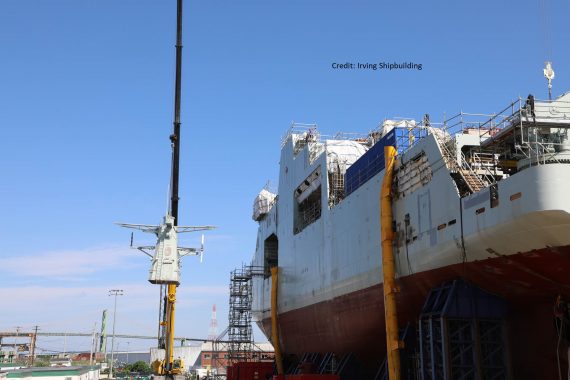
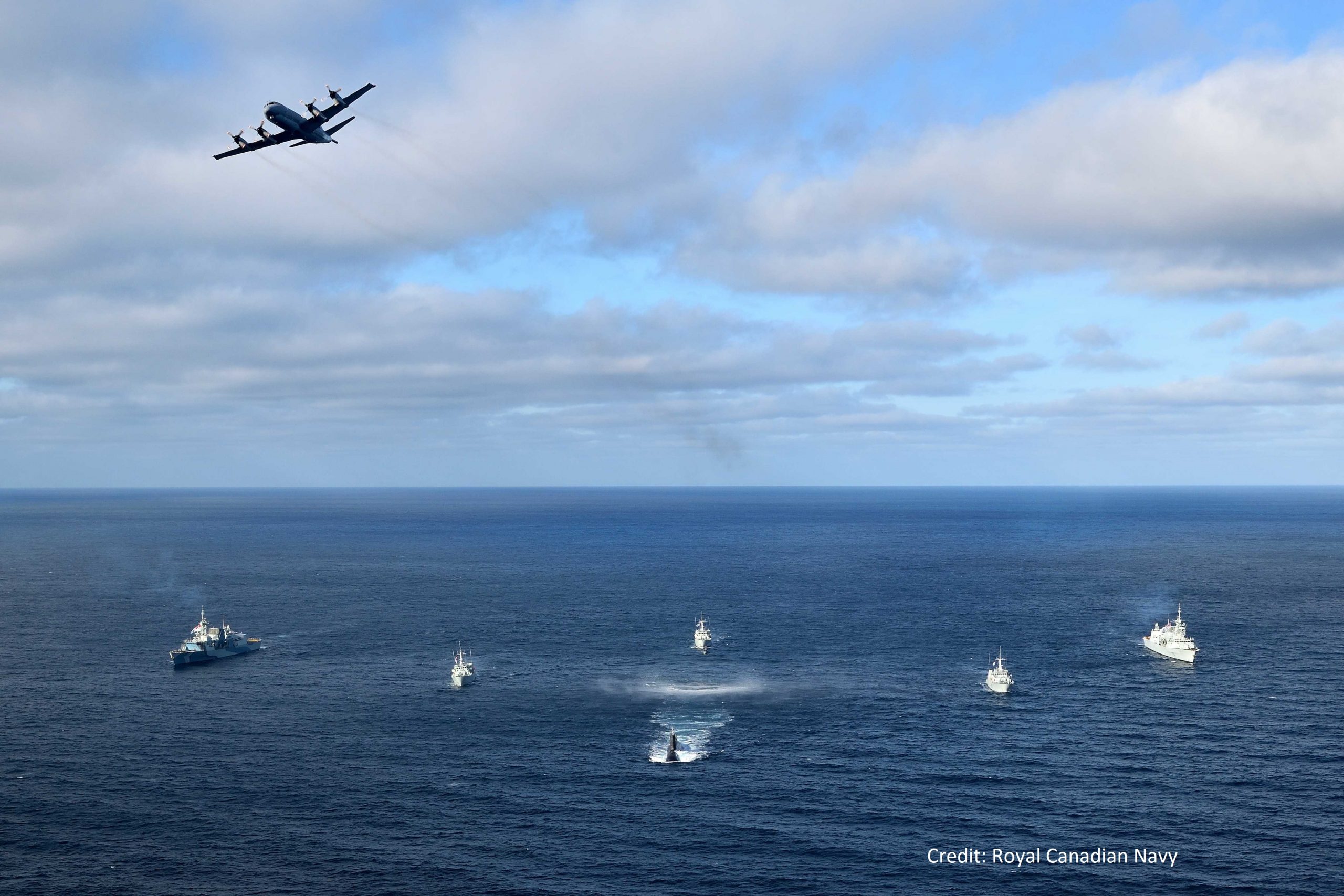
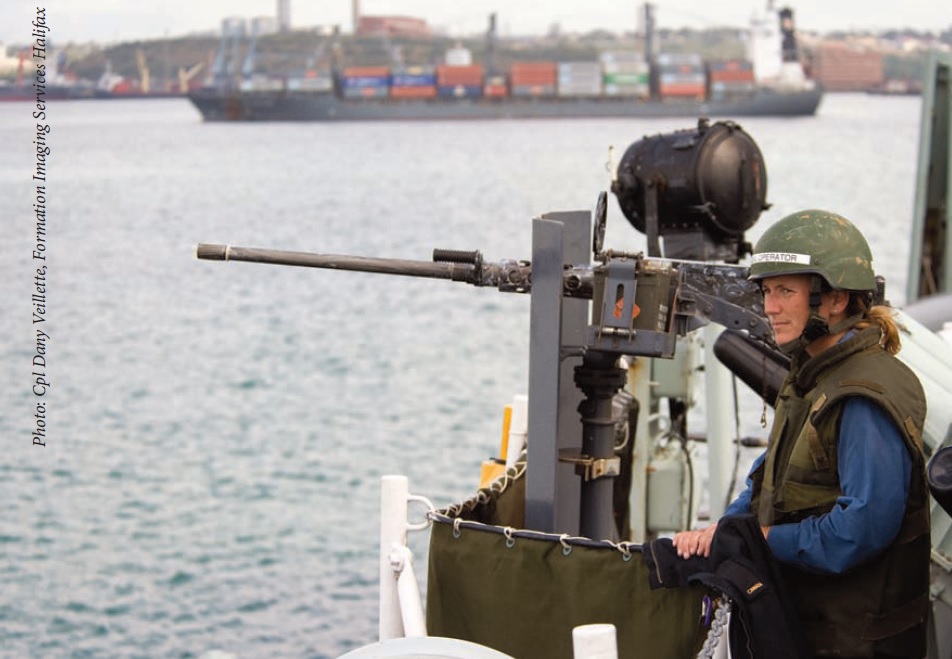
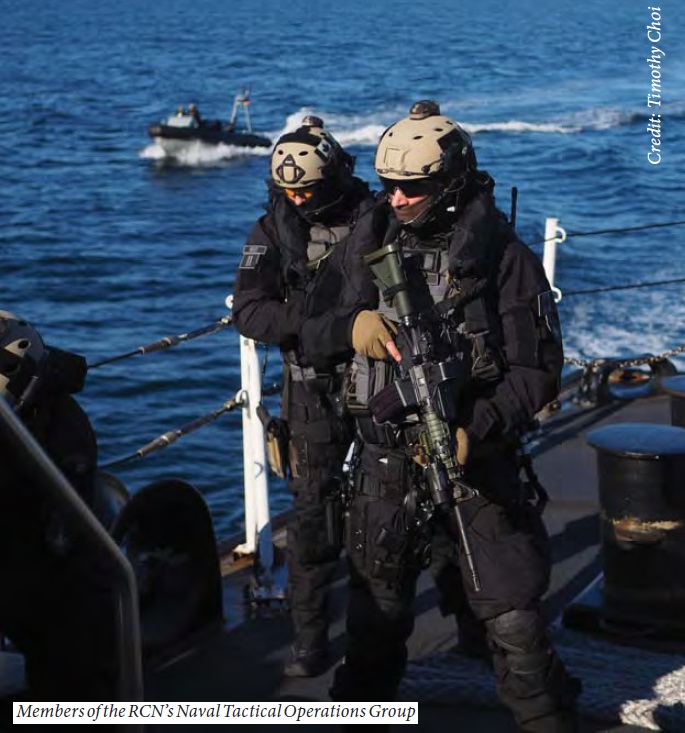
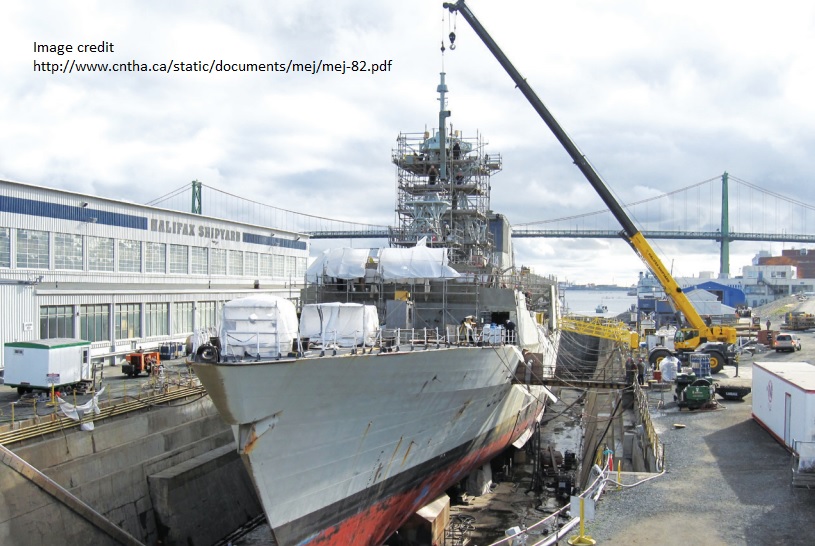
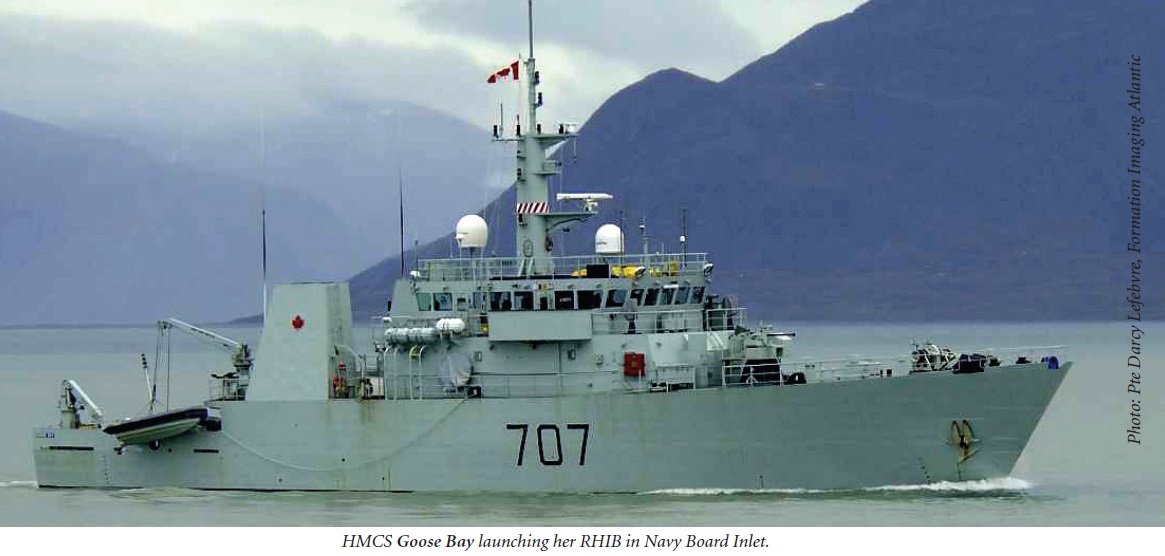
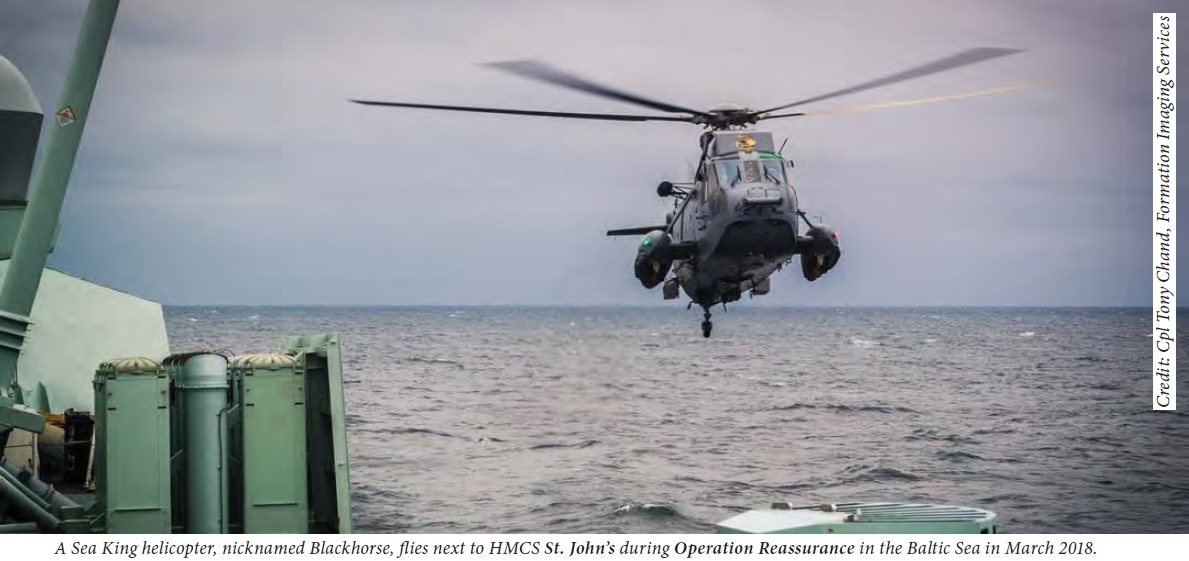
By Dr. Ann Griffiths, 25 May 2022 For a while, ‘traditional’ war – i.e., war between the militaries of states – seemed to have gone the way of the dodo […]
By Moderator, 13 April 2022 The Naval Association of Canada has produced another good Briefing Note. This one is entitled “Actors and Stages of Warship Procurement” (BN#45). It takes a […]
By Dr. Ann Griffiths, 20 February 2022 The Naval Association of Canada has published a second Briefing Note on the effects of the current pandemic on three maritime sectors. This […]
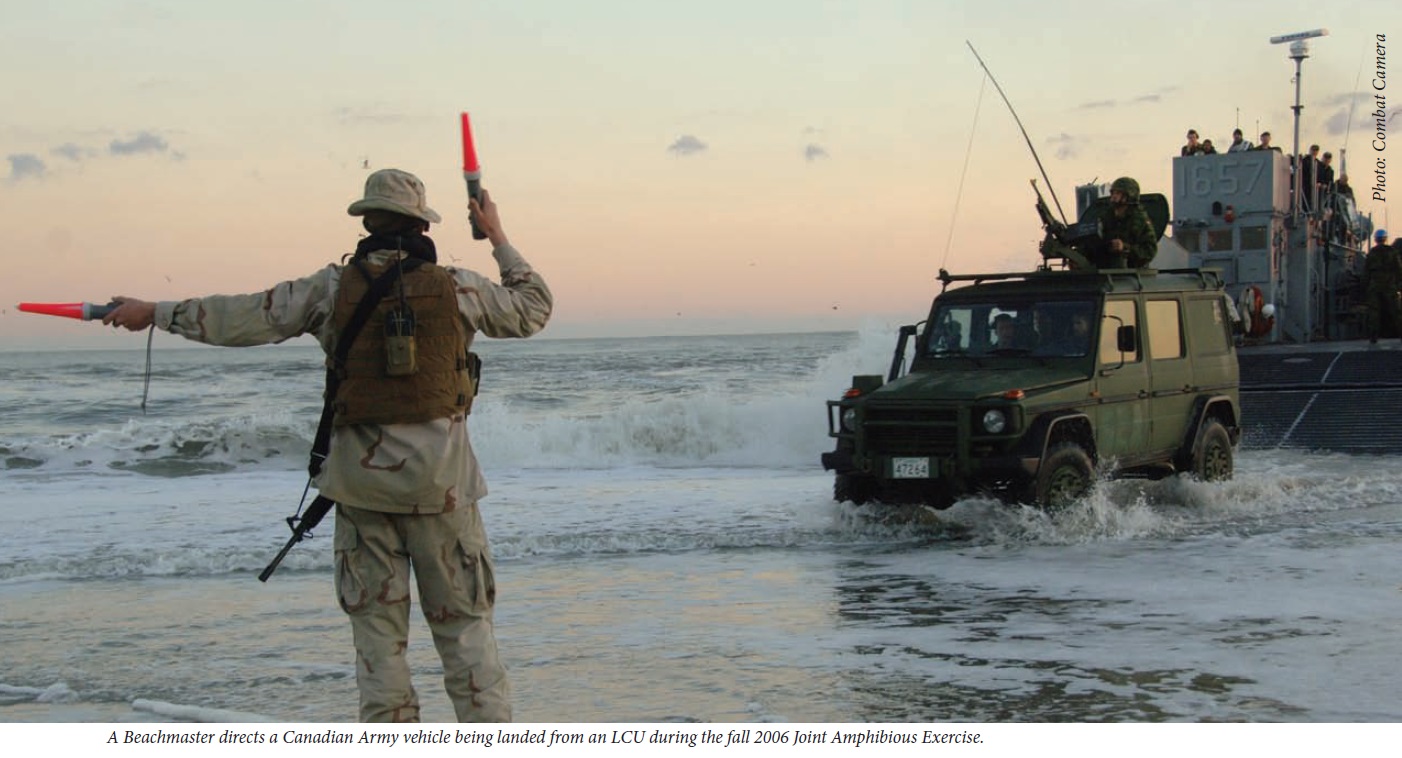
By Dr. Ann Griffiths, 11 February 2022 We’ve all seen depictions of the D-Day landings in France in the Second World War. These landings provide a classic example of how […]
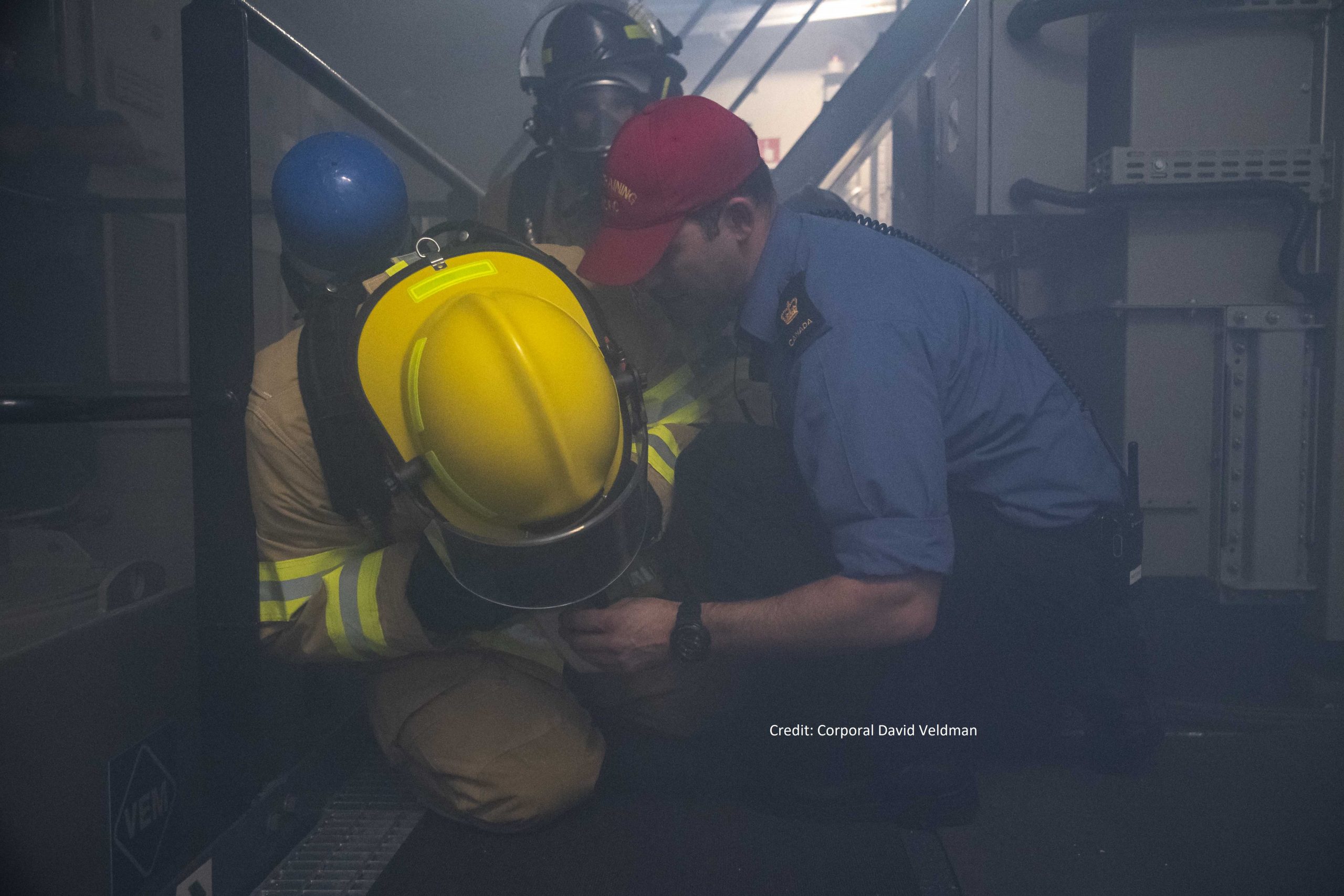
By Dr. Ann Griffiths, 29 December 2021 The Naval Association of Canada has produced another useful and interesting addition to its Briefing Notes. BN#42 is about damage control. What does […]
Dr. Ann Griffiths, 29 October 2021 The Naval Association of Canada has produced another interesting addition to the Briefing Note series. This one is about naval training and exercises. It […]
Dr. Ann Griffiths, 22 June 2021 If humans have been building boats since the beginning of time, then what is left for naval architects to do? Although many of the […]
Canada is active internationally and belongs to many international organizations but it is a member of only two formal defence alliances/arrangements. Canada is a founding member of NATO which was […]
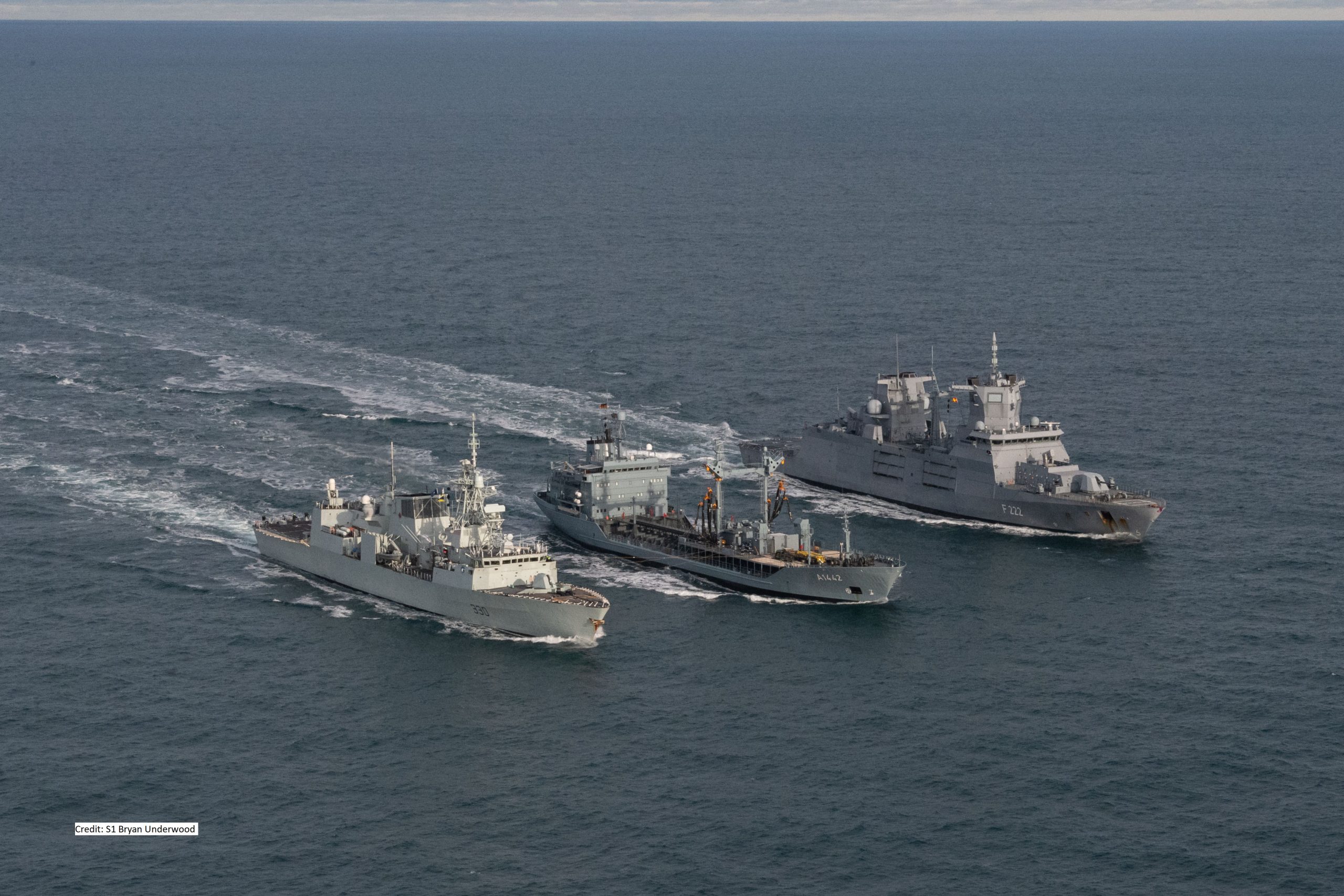
Naval Association of Canada, 22 March 2021 There is a need for the RCN to be able to operate both with allies and alone as required. This is where the […]
It is not unusual for big organizations to experience problematic behaviour among personnel. The Canadian military is no exception and, as an organization with a long history of male dominance, […]
We know that technology affects warfare. How we fight has changed dramatically over the years as technology has developed. We are in the midst of another significant change to warfare […]
The Royal Canadian Navy follows Canadian government support for international maritime law, and this means that RCN ships often participate in operations that involve countering malign behaviour at sea. People […]
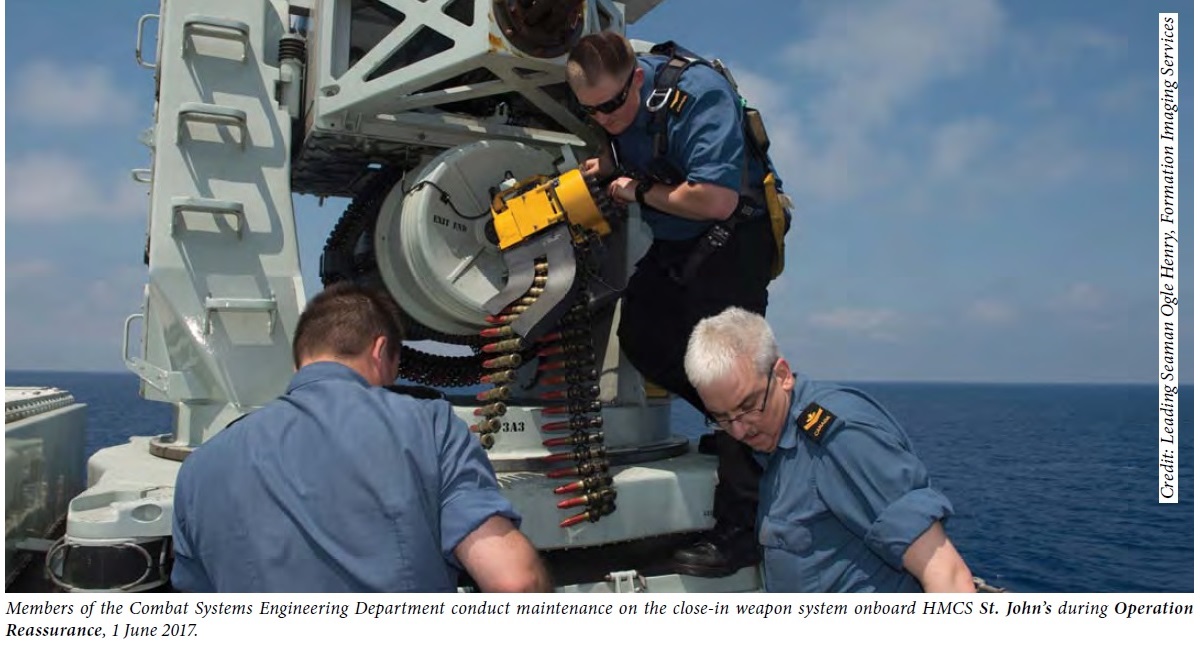
We have already discussed the importance of maintaining naval ships. This is critical because Canada keeps its navy ships in service for many years. But not only is maintenance critical, […]
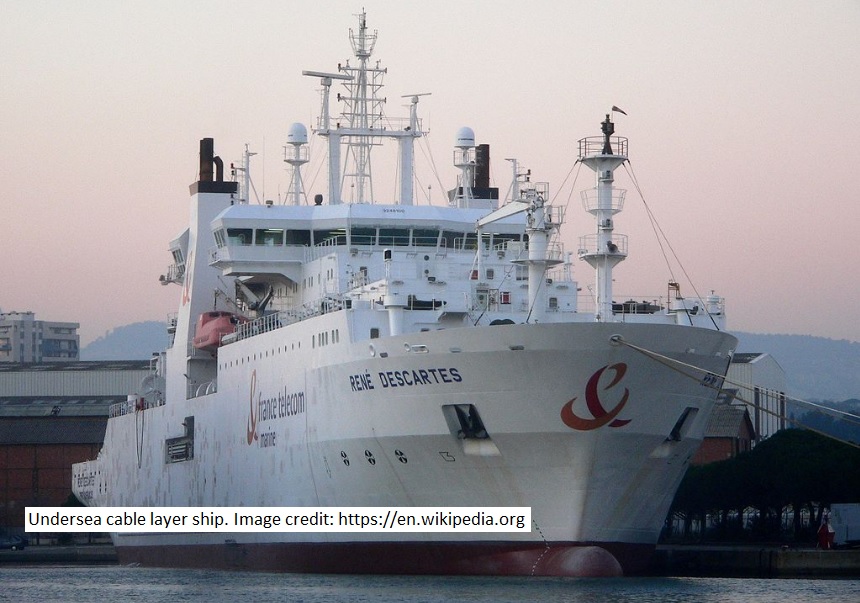
How do data, emails, money transfers and digital communications travel to Europe or Asia? Virtually all trans-oceanic data now travel by undersea fibre-optic cables, not via satellites. Undersea cables have […]
We’re in the midst of the second wave of COVID-19. The complete economic shutdown of the spring has not (yet) happened everywhere, but our lives are still being affected by […]
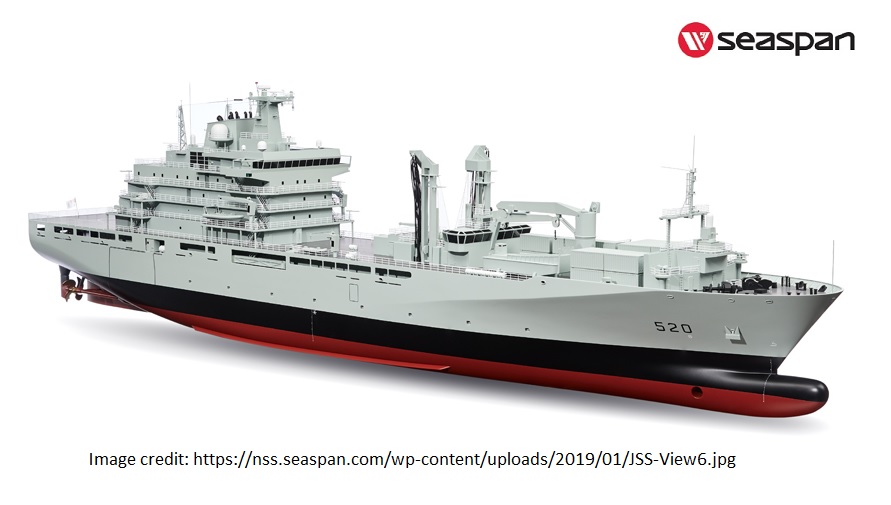
Unless the RCN wants to rely on friends and allies, Canada needs support ships/Auxiliary Oiler Replenishment (AOR) ships when RCN ships deploy. Until about five years ago, Canada had two […]
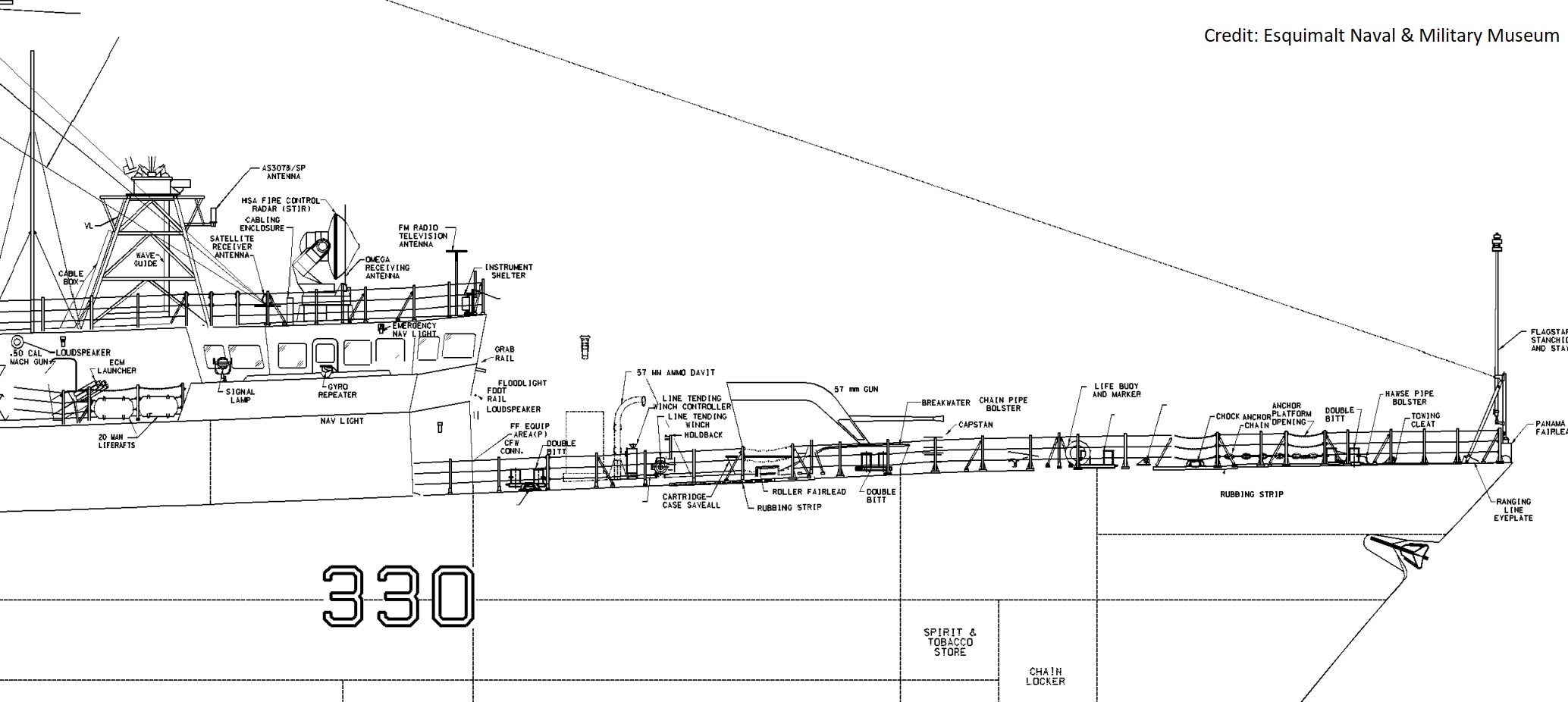
In case you haven’t been paying attention, Canada is building new ships for the navy. We hear about design, capabilities, timetables, numbers and especially costs. But we don’t hear a […]
After almost two years of broad consultations, the government released a defence policy entitled Strong, Secure, Engaged: Canada’s Defence Policy (SSE) in June 2017. It is intended to provide direction […]
We know that the Royal Canadian Navy (RCN) is a blue-water navy, and RCN warships regularly sail to distant lands to work with allies. But what about closer to home? […]
We know about naval ships, but what about Canada’s naval aviation capacity? What capabilities does Canada have, and what do they do? There are a variety of maritime aviation capabilities, […]
Cookie Consent
At Canadian Naval Review (CNR), we are committed to respecting your privacy. When visiting our website for the first time you can either “Accept all” cookies (including ‘non-essential cookies’) or “Customize” your cookie preferences, which allows you to make individual choices and get details on the cookies we use.
Contains information related to marketing campaigns of the user. These are shared with Google AdWords / Google Ads when the Google Ads and Google Analytics accounts are linked together.
90 days
__utma
ID used to identify users and sessions
2 years after last activity
__utmt
Used to monitor number of Google Analytics server requests
10 minutes
__utmb
Used to distinguish new sessions and visits. This cookie is set when the GA.js javascript library is loaded and there is no existing __utmb cookie. The cookie is updated every time data is sent to the Google Analytics server.
30 minutes after last activity
__utmc
Used only with old Urchin versions of Google Analytics and not with GA.js. Was used to distinguish between new sessions and visits at the end of a session.
End of session (browser)
__utmz
Contains information about the traffic source or campaign that directed user to the website. The cookie is set when the GA.js javascript is loaded and updated when data is sent to the Google Anaytics server
6 months after last activity
__utmv
Contains custom information set by the web developer via the _setCustomVar method in Google Analytics. This cookie is updated every time new data is sent to the Google Analytics server.
2 years after last activity
__utmx
Used to determine whether a user is included in an A / B or Multivariate test.
18 months
_ga
ID used to identify users
2 years
_gali
Used by Google Analytics to determine which links on a page are being clicked
30 seconds
_ga_
ID used to identify users
2 years
_gid
ID used to identify users for 24 hours after last activity
24 hours
_gat
Used to monitor number of Google Analytics server requests when using Google Tag Manager