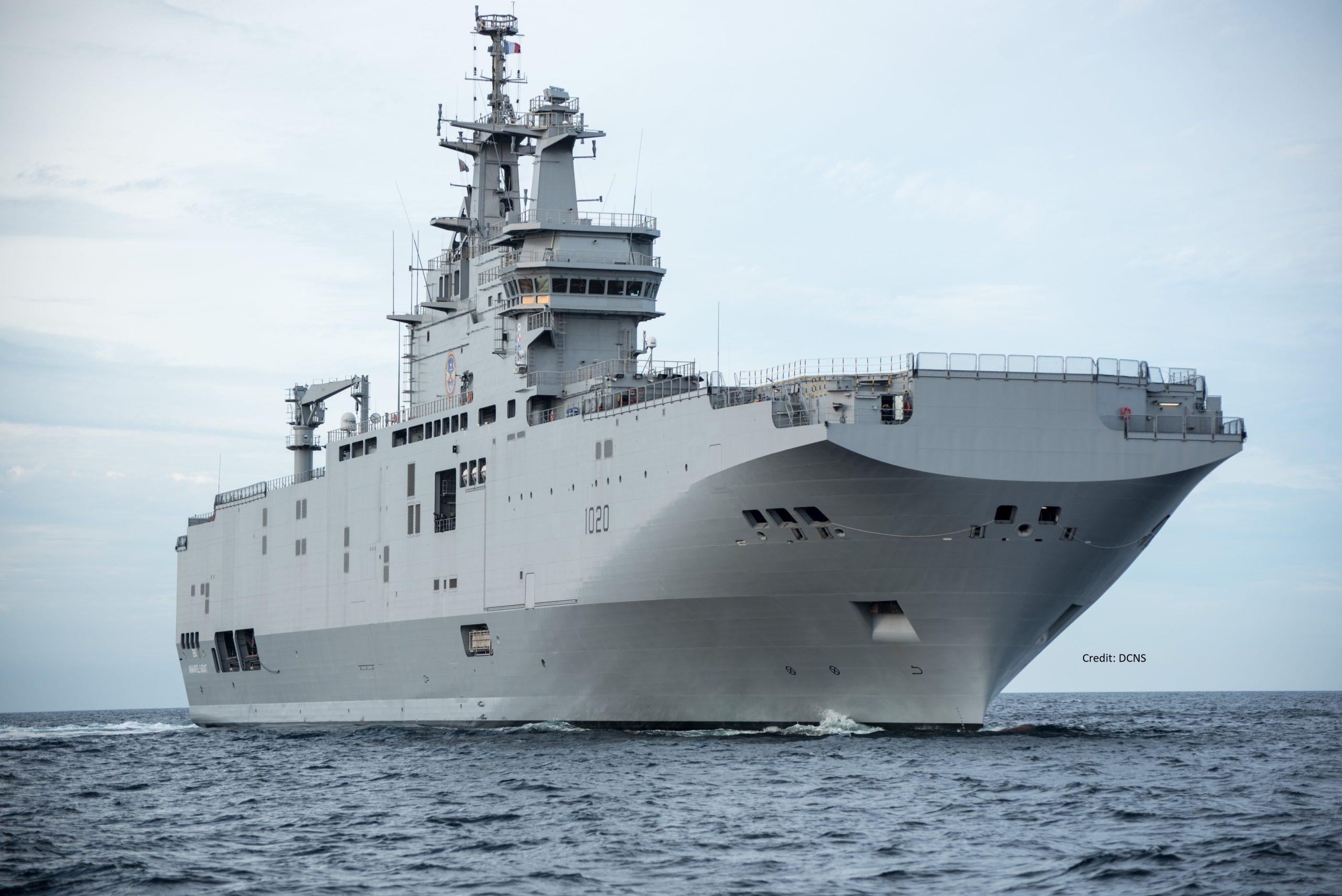
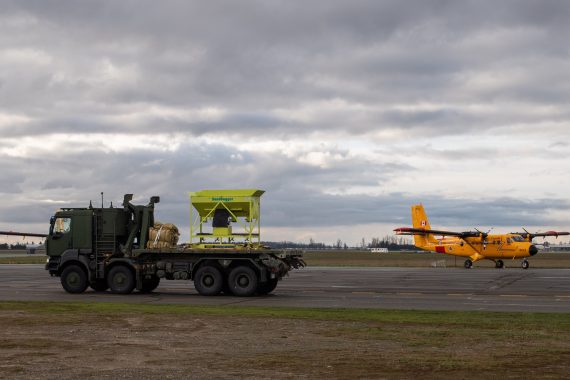
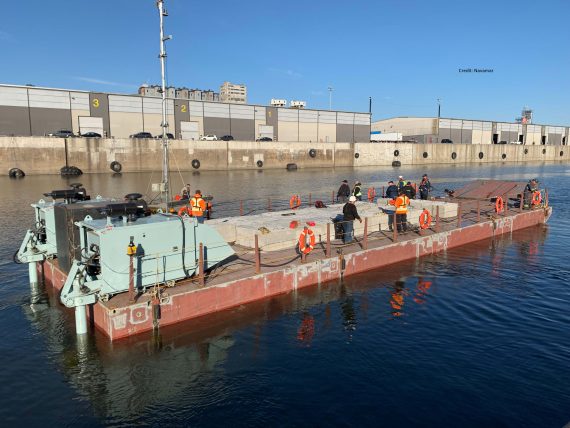
By Peter M. Sanderson, 10 September 2026 It all started with an article in Canadian Defence Review, followed by their video: CDR “Why Canada Needs Landing Ships for Arctic Sovereignty […]
By P.M. Sanderson, Capt (Ret’d), Canadian Army, Reserve, 9 October 2022 Presently there is no ‘push’ by the Canadian government for amphibious ships nor is there any ‘pull’ from the […]
By Roger Cyr, OMM, CD, 12 July 2022 In 2021, Canada was plagued with major natural disasters. The COVID pandemic continued, and there was a deadly heat wave, the worst […]
By Garry Noble, 12 March 2022 When the news release was published in September 2019 that the Navy would acquire 5 connectors, did anyone think it would be 26 months […]
David Dunlop, 02 December 2020. According to Leadmark 2050, “To meet defence and security challenges in the coming decades, Canada’s maritime forces will need to become better equipped for Maritime […]
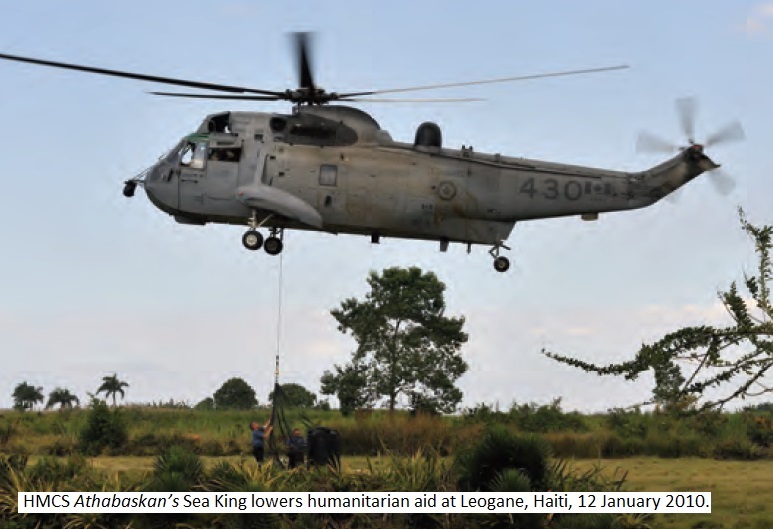
One of the roles that the RCN has played in recent years is humanitarian assistance/disaster relief (HADR). The navy has been asked to respond a number of times in past […]
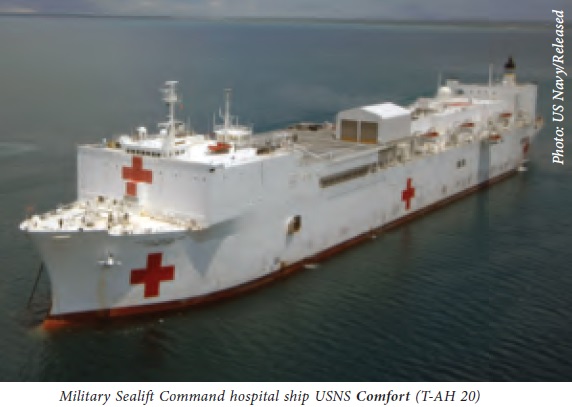
David Dunlop, 22 April 2020 Hospital ships are excellent vehicles of international policy, diplomacy and humanitarian efforts. They can provide humanitarian assistance during disasters, advanced medical treatment, services and on-board […]
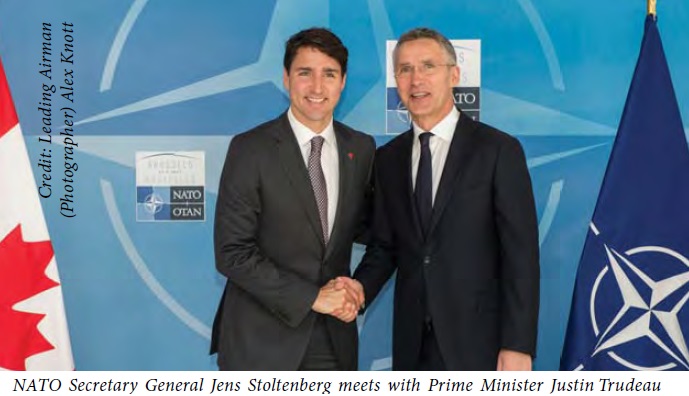
13 July. David Dunlop. Now that the 2018 NATO Summit has apparently passed a referendum to have all NATO countries contribute as a minimum at least 2% GDP to defence, […]
On 23 January 2018 at 3 am, sirens wailed, warnings were broadcast and evacuations began. Coastal British Columbia was in the path of a tsunami. A 7.9 magnitude earthquake off […]
[FAKE NEWS] Canada’s Two New Humanitarian Aid Ships Enter Service! Imagine that the Canadian government has just welcomed two humanitarian assistance/disaster relief ships to the Canadian fleet. MV Norman Bethune […]
The world’s climate is changing. Without embarking on arguments about who or what is to blame, the point is that there is a problem facing Earth. In 2016 there were […]
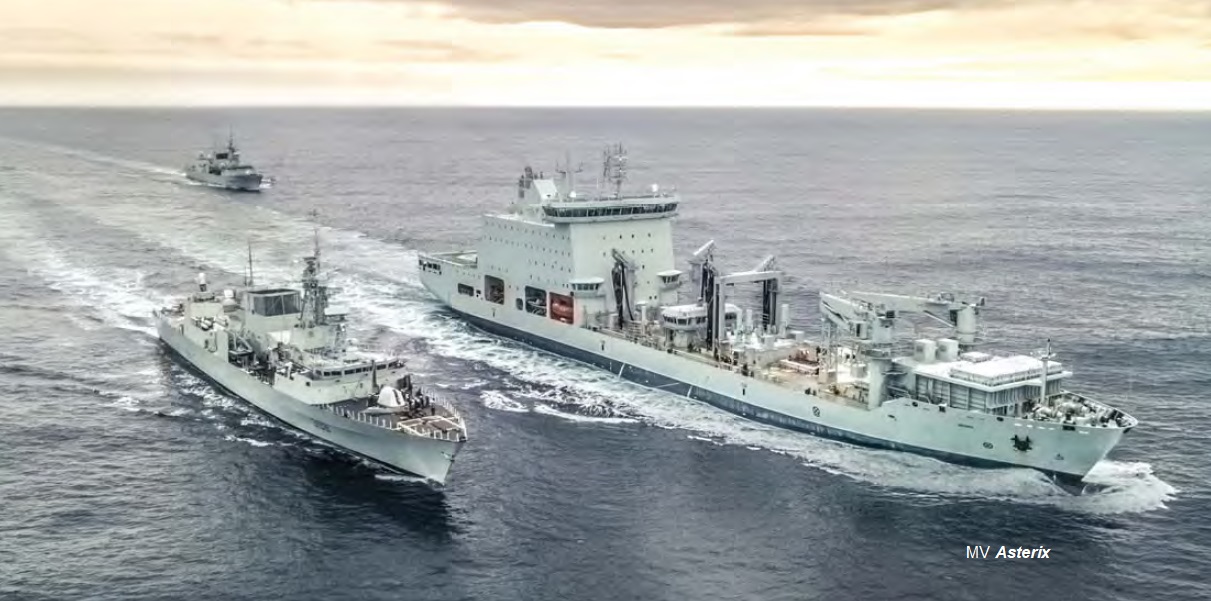
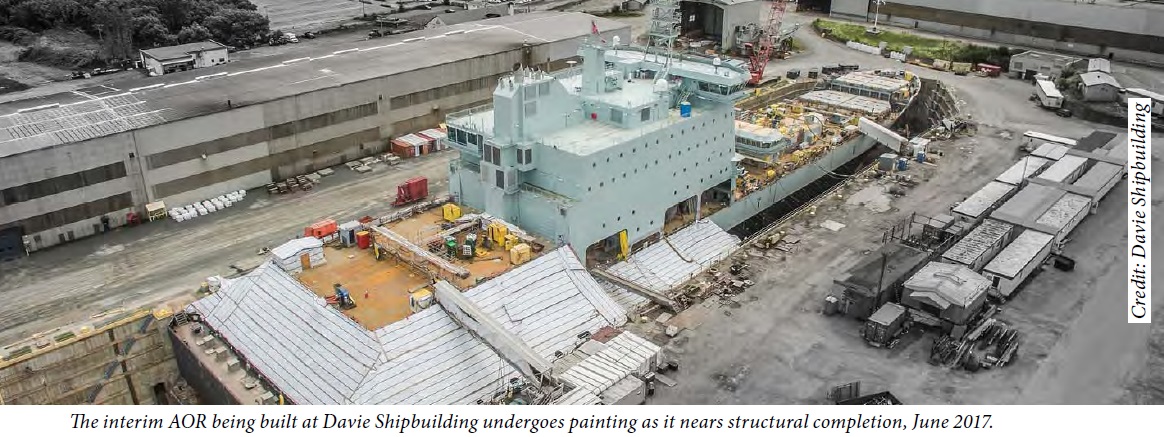
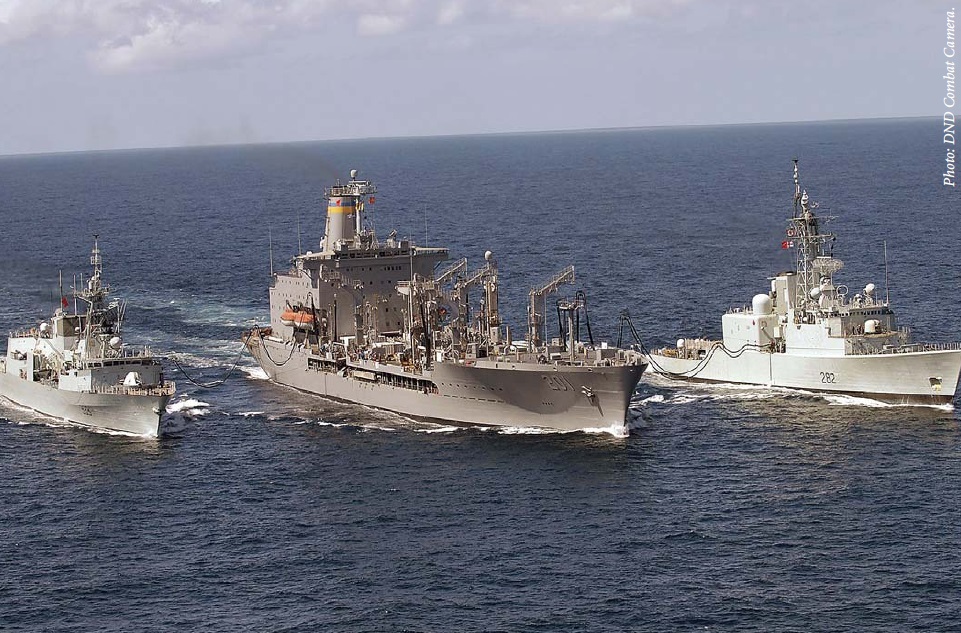
12 Sept. 2016. Over the summer, Chantier Davie Shipyard invited suppliers to present disaster-relief equipment available for the ship. Refueling and resupply of warships at sea are the main roles […]
On Tuesday, 19 January, Murray Brewster of the Canadian Press filed a report that described the logistical problems confronting the Canadian Forces as they ramped up for Operation Hestia. Quoting […]
[*Originally appeared in Canadian Naval Review, Vol. 6, No. 4 (Winter 2011).] “Cheap for us and nasty for the Germans.” Winston Churchill, 1940. In this centenary year there is much […]
Reports, all unsubstantiated so far, continue to surface about the possibility of Canada acquiring a ship or ships capable of amphibious operations. (See: “Big Honkin’ Ships” by Chris MacLean in […]
The follow-on step in setting policy for the United States’ sea services emanating from the Cooperative Strategy for 21st Century Seapower has taken place with the release of the Naval […]
If the Canadian navy had possessed a large ship available to deploy in the case of such incidents as the Haitian Earthquake: an AOR, JSS, Large Deck Amphib, or a […]
Dear Senator Kenny, Bravo Zulu on a plainspoken wake up call to Canadians. Jack Granatstein’s classics – “Who Killed Canadian History?” and “Who Killed the Canadian Military?” have fallen on […]
It now appears that a combined American, French and British naval force comprised of amphibious ships, helicopters, landing craft and frigates is likely the West’s only option to deliver relief […]
Cookie Consent
At Canadian Naval Review (CNR), we are committed to respecting your privacy. When visiting our website for the first time you can either “Accept all” cookies (including ‘non-essential cookies’) or “Customize” your cookie preferences, which allows you to make individual choices and get details on the cookies we use.
Contains information related to marketing campaigns of the user. These are shared with Google AdWords / Google Ads when the Google Ads and Google Analytics accounts are linked together.
90 days
__utma
ID used to identify users and sessions
2 years after last activity
__utmt
Used to monitor number of Google Analytics server requests
10 minutes
__utmb
Used to distinguish new sessions and visits. This cookie is set when the GA.js javascript library is loaded and there is no existing __utmb cookie. The cookie is updated every time data is sent to the Google Analytics server.
30 minutes after last activity
__utmc
Used only with old Urchin versions of Google Analytics and not with GA.js. Was used to distinguish between new sessions and visits at the end of a session.
End of session (browser)
__utmz
Contains information about the traffic source or campaign that directed user to the website. The cookie is set when the GA.js javascript is loaded and updated when data is sent to the Google Anaytics server
6 months after last activity
__utmv
Contains custom information set by the web developer via the _setCustomVar method in Google Analytics. This cookie is updated every time new data is sent to the Google Analytics server.
2 years after last activity
__utmx
Used to determine whether a user is included in an A / B or Multivariate test.
18 months
_ga
ID used to identify users
2 years
_gali
Used by Google Analytics to determine which links on a page are being clicked
30 seconds
_ga_
ID used to identify users
2 years
_gid
ID used to identify users for 24 hours after last activity
24 hours
_gat
Used to monitor number of Google Analytics server requests when using Google Tag Manager