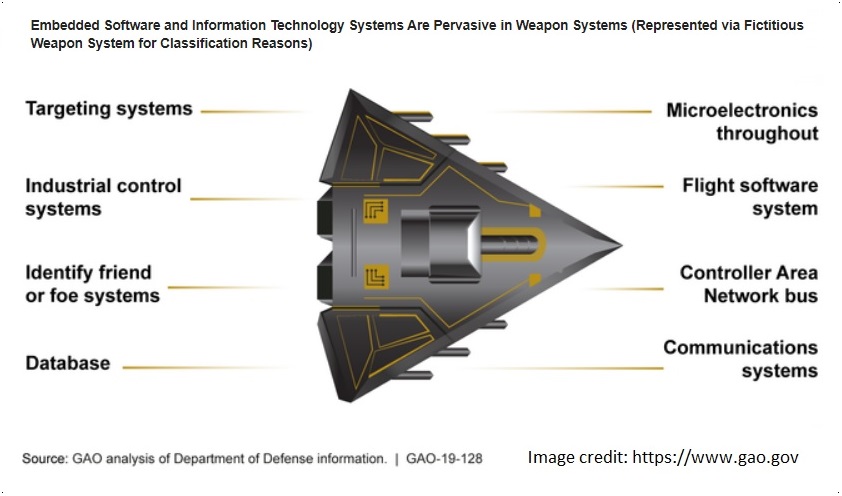
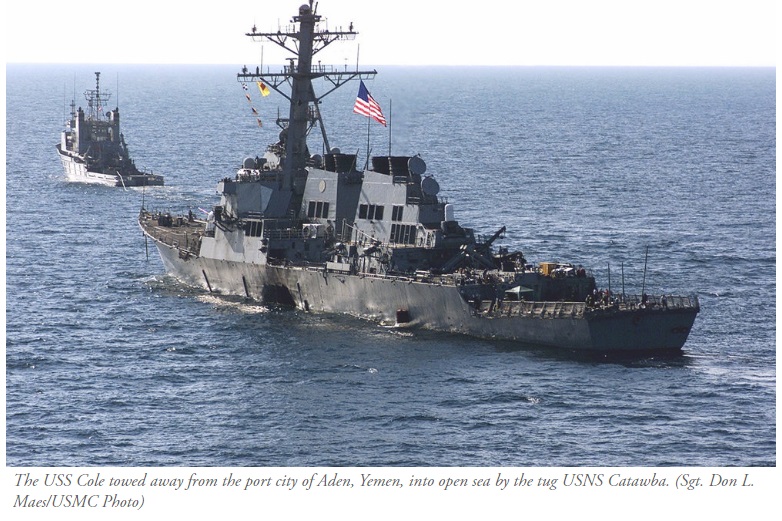
Old Sailor, 21 November 2020. In late 2018 United States (U.S.) Government Accountability Office (GAO) produced an interesting report on cybersecurity in U.S. DOD Weapon Systems. It’s relevant to the […]
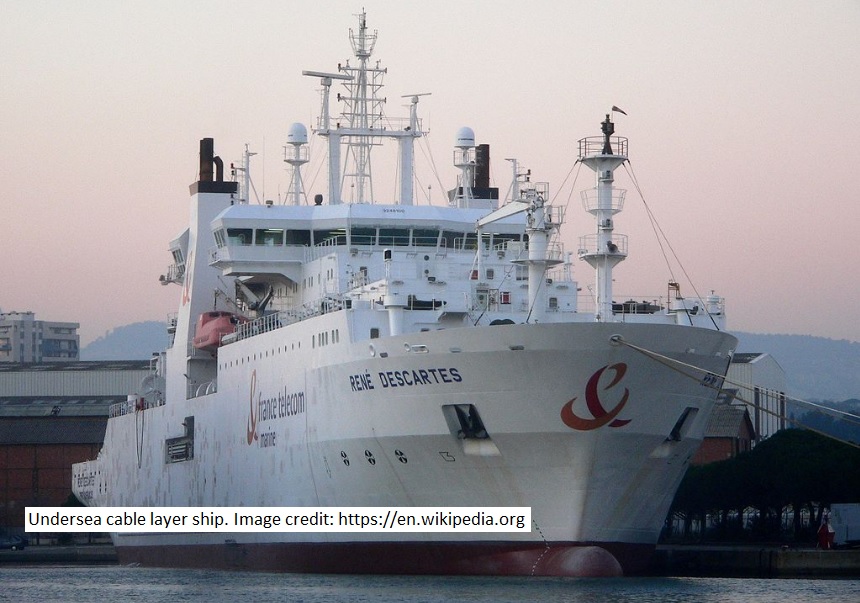
How do data, emails, money transfers and digital communications travel to Europe or Asia? Virtually all trans-oceanic data now travel by undersea fibre-optic cables, not via satellites. Undersea cables have […]
David Dunlop, 25 October 2020. Apparently the British have decided to use a Direct Energy Weapon (DEW) laser system on the Type 26 frigate starting in 2023 (see below). Will […]
In case you haven’t been paying attention, Canada is building new ships for the navy. We hear about design, capabilities, timetables, numbers and especially costs. But we don’t hear a […]
There may be much uncertainty in the world today but one thing we can count on is that technology will continue to change. And that means that military forces will […]
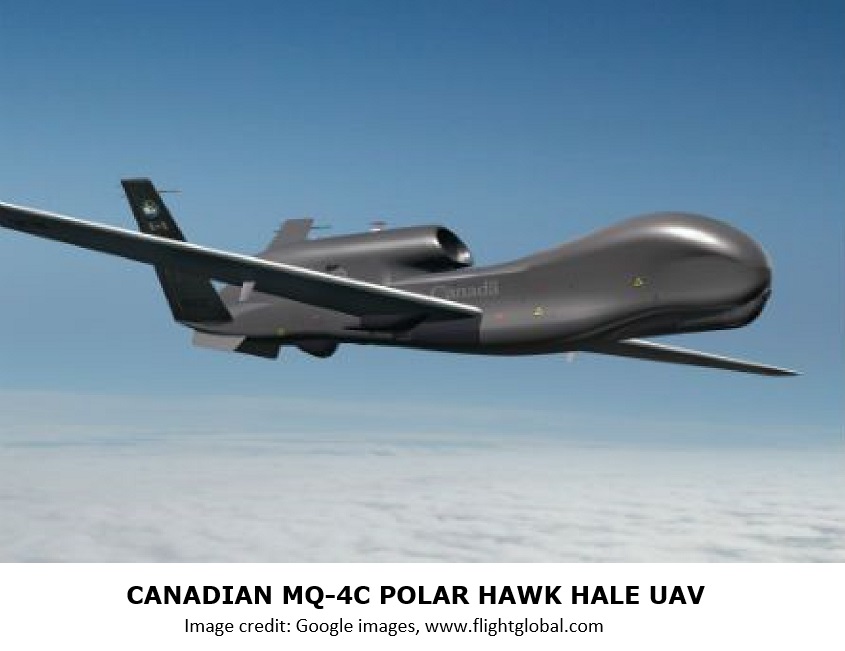
Konrad Mech, 14 August 2020 Some readers may be interested in an article I wrote, recently published in SITREP, the Journal of the Royal Canadian Military Institute, titled “Automation, Autonomy, […]
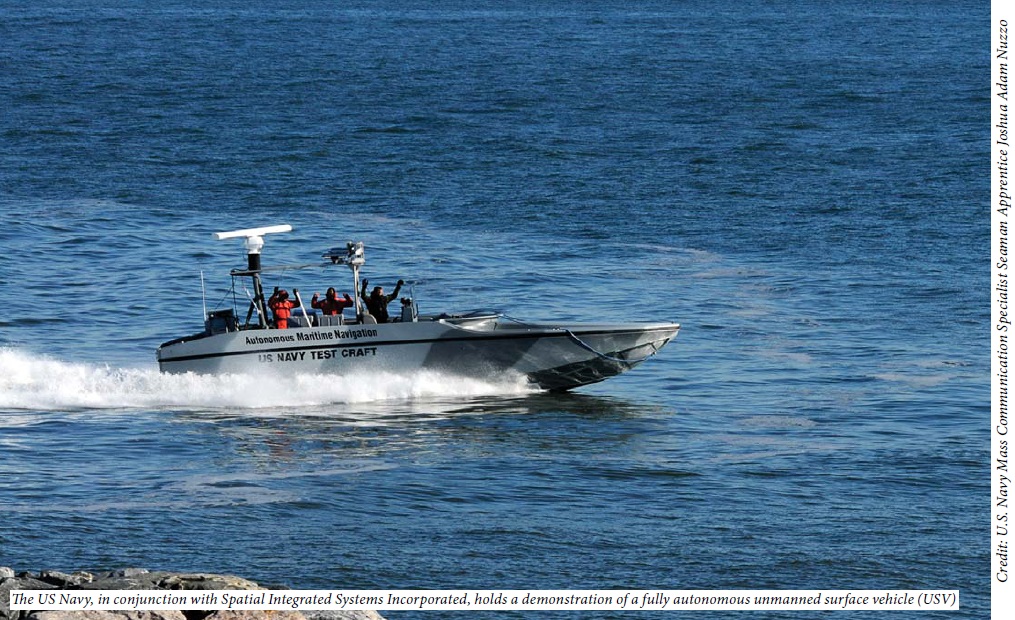
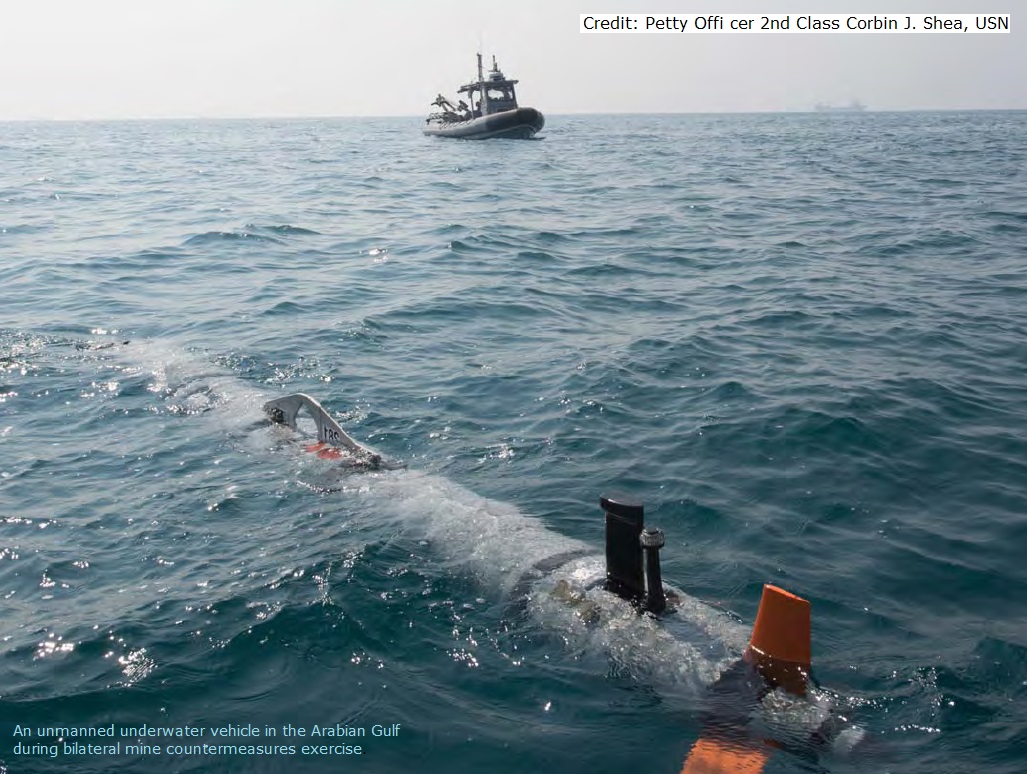
Dan Middlemiss, 19 July 2020. Will the Canadian Navy ride the robotic wave of the future? Maybe the future has already arrived. The United States Navy (USN) recently awarded a […]
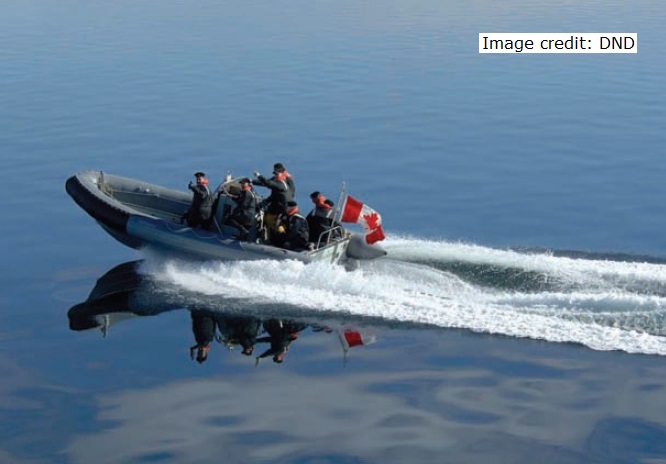
On 21 March 2020, Canada awarded a contract to Zodiac Hurricane Technologies Ltd for the design and construction of 30 multi-role boats for Canada’s Halifax-Class Frigates. This award directly supports […]
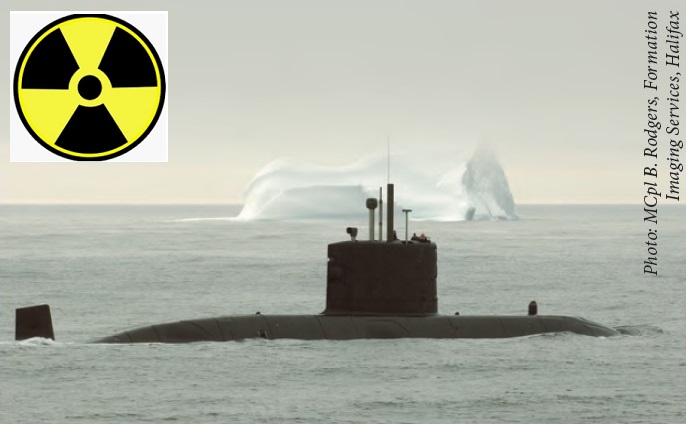
David Dunlop, 28 February 2020. Nuclear propulsion of submarines is ideal for long distances and extended under-ice missions. But is there a better, more affordable and collaborative way? Off-the-shelf air-independent […]
Major (retired) F. Roy Thomas, MSC, CD, MA (RMC). 13 February 2020. Without anti-drone assets should the RCN become a coastal navy operating under the umbrella of cheaper shore-based anti-drone […]
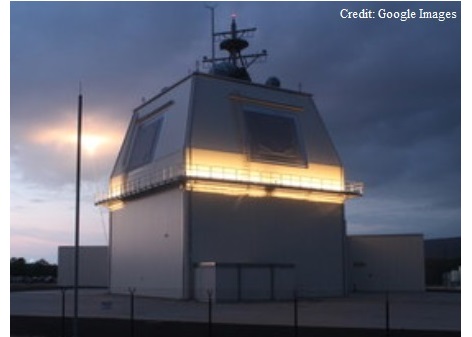
It would appear by the following press release from Lockheed Martin on 14 Nov 2019 that Canada has indeed selected the Lockheed Martin Long Range Discrimination Radar (LRDR) as its […]
Canada is in the early stages of thinking about replacing its submarines. Submarines are not part of the National Shipbuilding Strategy, but they are mentioned in the new defence policy. […]
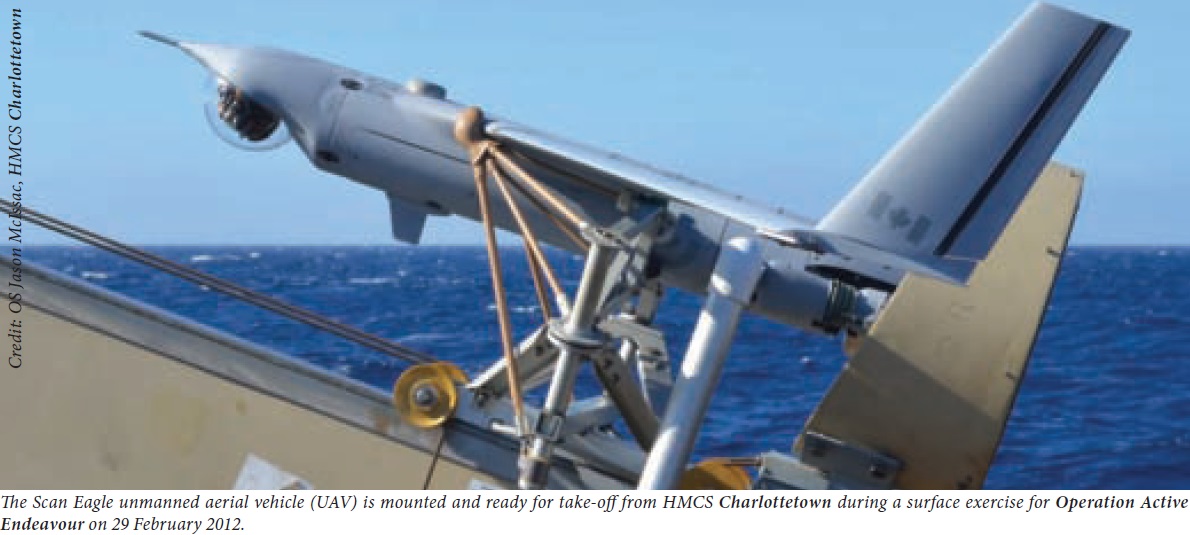
We may think of unmanned aerial vehicles/drones as being the deliverers of Hellfire missiles to terrorists, but they do much more than that. The drone business is booming. And the […]
As the Canadian government and the RCN advance in the NSS shipbuilding process, it’s time to stop focusing on the hulls and start thinking about what goes in the ships. […]
Two Norwegian firms are building the world’s first fully electric, self-driving ship. The ship will be 100% electric and have zero emissions (according to the companies producing it). The ship, […]
30 March 2017. An article written by Christopher Cedros, a surface warfare office with the US Navy, sparked my earlier comment on repair containers and mexeflotes. The article is “Distributed […]
22 March 2017. “Mexeflote for Interim AOR” was the title of an article posted on Broadsides last September. The article proposed the interim AOR be equipped with a mexeflote-powered raft […]
Energy Use and Conservation in the Marine Sector Environmentalists are making a lot of noise these days about getting off oil in the next two to three decades. This might […]
This article raises some good points that make one wonder how effective are Canadian countermeasures. The Diplomat: Japan’s Achilles Heel: Cybersecurity
CNR, Vol. 11, No. 1 (2015) Abstract In the wake of the crisis in Ukraine and the general deterioration of relations with Russia, the West must consider how to deal […]
Cookie Consent
At Canadian Naval Review (CNR), we are committed to respecting your privacy. When visiting our website for the first time you can either “Accept all” cookies (including ‘non-essential cookies’) or “Customize” your cookie preferences, which allows you to make individual choices and get details on the cookies we use.
Contains information related to marketing campaigns of the user. These are shared with Google AdWords / Google Ads when the Google Ads and Google Analytics accounts are linked together.
90 days
__utma
ID used to identify users and sessions
2 years after last activity
__utmt
Used to monitor number of Google Analytics server requests
10 minutes
__utmb
Used to distinguish new sessions and visits. This cookie is set when the GA.js javascript library is loaded and there is no existing __utmb cookie. The cookie is updated every time data is sent to the Google Analytics server.
30 minutes after last activity
__utmc
Used only with old Urchin versions of Google Analytics and not with GA.js. Was used to distinguish between new sessions and visits at the end of a session.
End of session (browser)
__utmz
Contains information about the traffic source or campaign that directed user to the website. The cookie is set when the GA.js javascript is loaded and updated when data is sent to the Google Anaytics server
6 months after last activity
__utmv
Contains custom information set by the web developer via the _setCustomVar method in Google Analytics. This cookie is updated every time new data is sent to the Google Analytics server.
2 years after last activity
__utmx
Used to determine whether a user is included in an A / B or Multivariate test.
18 months
_ga
ID used to identify users
2 years
_gali
Used by Google Analytics to determine which links on a page are being clicked
30 seconds
_ga_
ID used to identify users
2 years
_gid
ID used to identify users for 24 hours after last activity
24 hours
_gat
Used to monitor number of Google Analytics server requests when using Google Tag Manager