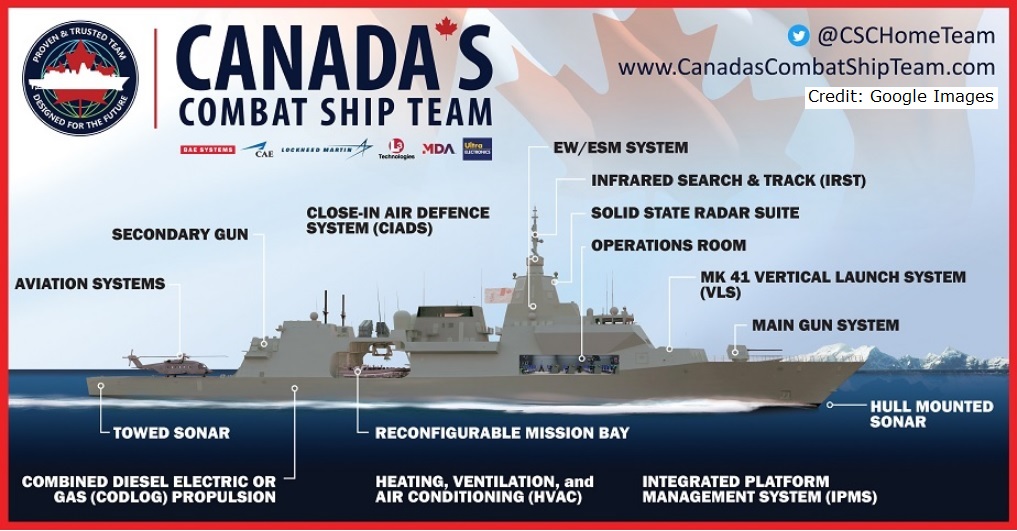
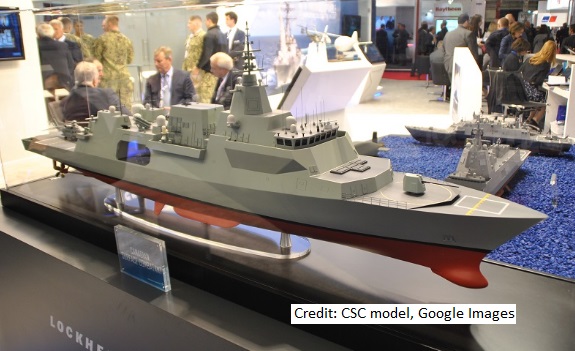
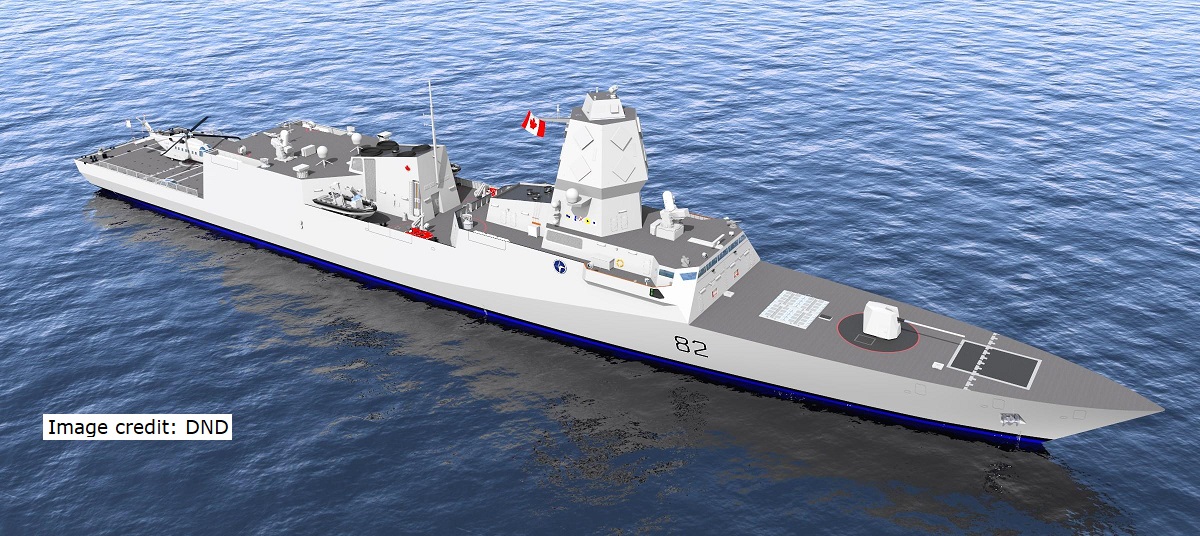
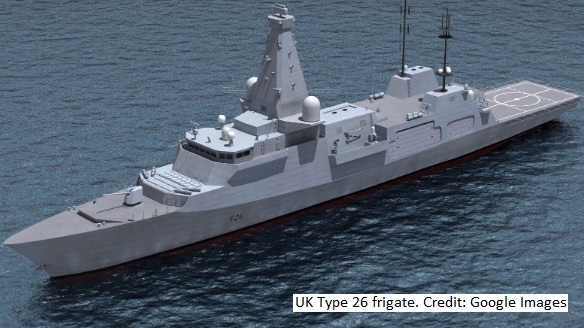
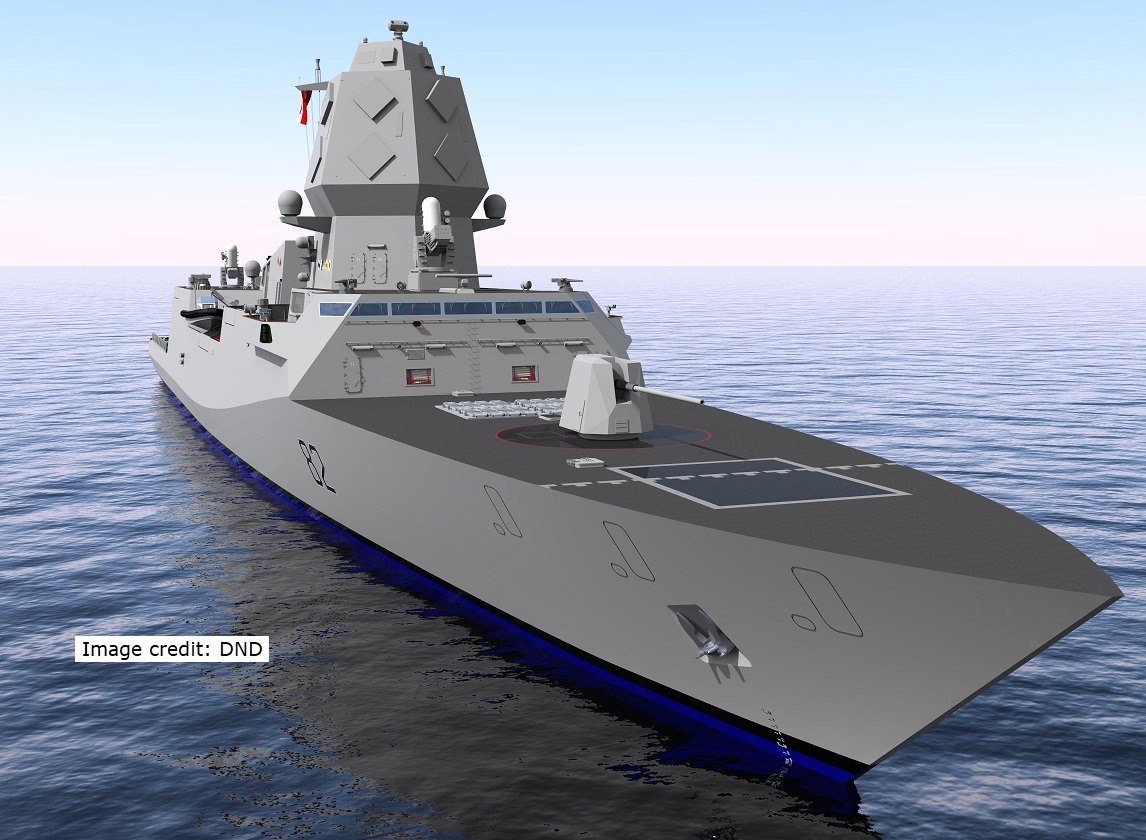
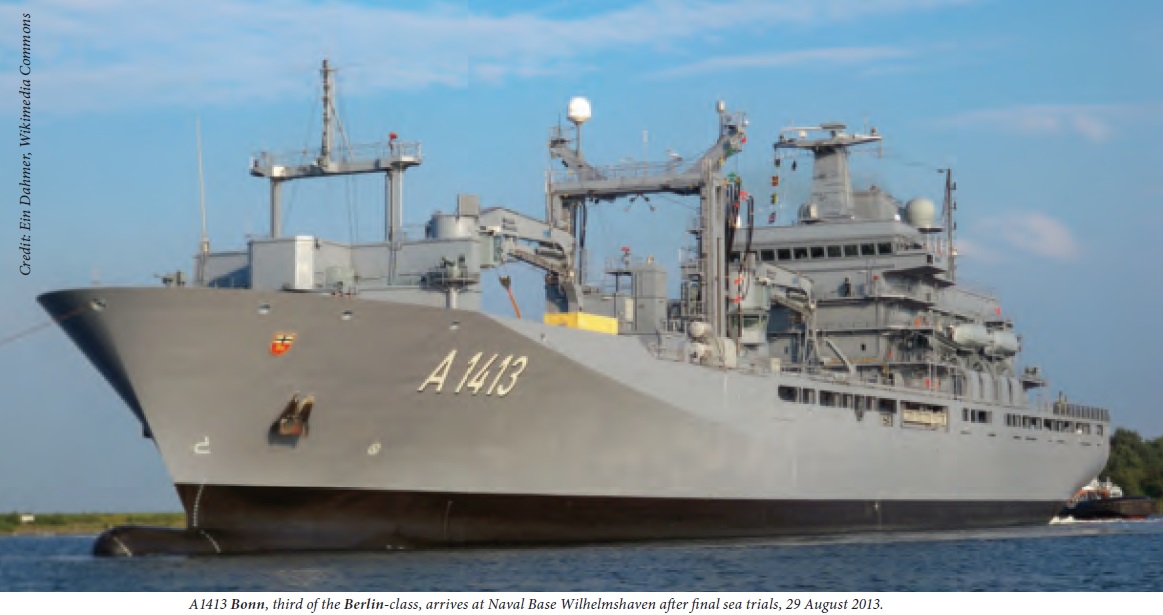
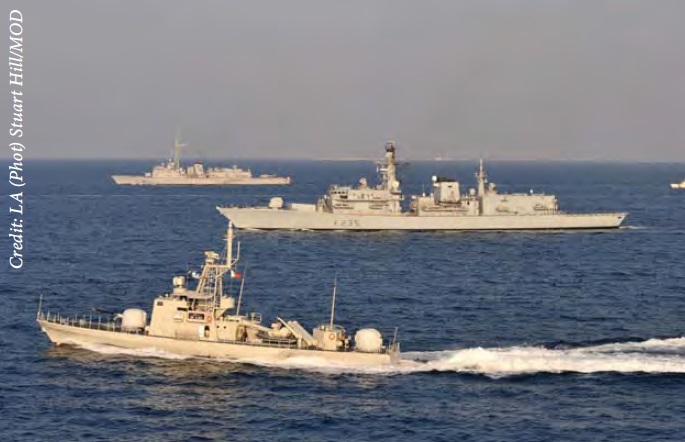
The Parliamentary Budget Office (PBO) released a report on 1 June 2017 called “The Cost of Canada’s Surface Combatants.” The PBO report reviews the costs of the Canadian Surface Combatant […]
There was an interesting article in The Globe and Mail last week that talks about Chantier Davie Shipyard in Quebec. The article is extremely unflattering. It describes how Davie is […]
16 March 2017. Rosborough Boats of Halifax has been building boats in Nova Scotia since 1955. Now the company has been awarded a contract that will see them build 12 […]
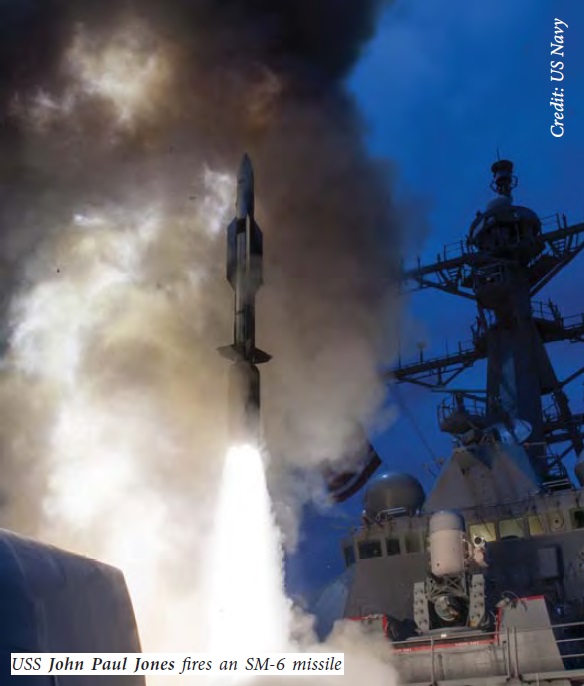
30 Jan 2017. BALLISTIC MISSILE DEFENCE: DO WE NEED IT AT SEA IN THE CANADIAN SURFACE COMBATTANT? There has been a fair amount of controversy surrounding whether or not the […]
12 Sept. 2016. Over the summer, Chantier Davie Shipyard invited suppliers to present disaster-relief equipment available for the ship. Refueling and resupply of warships at sea are the main roles […]
Energy Use and Conservation in the Marine Sector Environmentalists are making a lot of noise these days about getting off oil in the next two to three decades. This might […]
There’s been increasing interest in autonomous service vehicles (ASV) and the USN Sea Hunter appears to be the most advanced and complex of the lot. It is claimed this “robotic […]
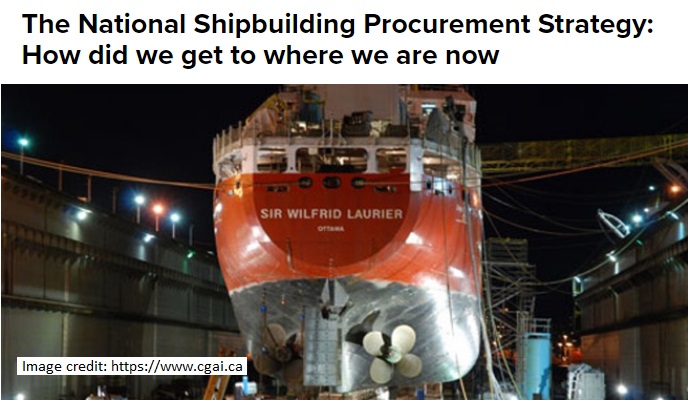
Tom Ring, a former senior procurement official, has written a major paper on the National Shipbuilding Strategy. He provides never before revealed elements of the programme’s background with an intriguing […]
Yesterday there were numerous reports (here, here and here) of the Canadian government potentially adopting a new approach to the CSC project that would require potential warship designers and combat […]
Another input to seemingly endless debate on the need to re-rationalize Canada’s shipbuilding industry. How many times do we have to be reminded that shipbuilding in Canada is one of […]
In the most recent Canadian Military Journal David Rudd has provided an insightful analysis of the Canadian Surface Combatants’ design possibilities. His central argument is that the Military Off The […]
Professor Rob Huebert’s new essay on the state and likely future of the RCN’s fleet is well worth reading. It is sure to generate some criticism. As we have said […]
The discussion in this BLOG on the NSPS has tended towards several themes. First, a belief that the Canadian Navy is proposing a fleet that is based on Cold War […]
The two previous posts provide an interesting introduction to the Canadian Surface Combatant capability issue. Where Hansen suggests the survivability of medium-sized warships against modern weapon systems is questionable, the […]
An article published by David Publiese in the Ottawa Citizen on December 3rd (with the same title as this one and available on his Defence Watch website here) asks a […]
On 30 November 2015, the federal department Public Services and Procurement issued a statement (http://news.gc.ca/web/article-en.do?nid=1022609) that the government of Canada had “determined that proceeding with Project Resolve is the most […]
“Fleet Cost Problems? For a Start, Stop Calling Cruisers Either Destroyers or Frigates.” 8 December 2015 In his post “Fleet Cost Problems?” Ken Hansen suggests we stop calling our future […]
The interview with Vice-Admiral Mark Norman on December 2nd by CBC’s James Cudmore (‘Warship Costs could rise to $30b’) is a very brave ‘mea culpa’ on behalf of the navy. […]
There has been much written about how defence inflation has eroded the budget allocated to the National Shipbuilding Procurement Strategy (NSPS).1 As time passes, the argument goes, the NSPS budget […]
Cookie Consent
At Canadian Naval Review (CNR), we are committed to respecting your privacy. When visiting our website for the first time you can either “Accept all” cookies (including ‘non-essential cookies’) or “Customize” your cookie preferences, which allows you to make individual choices and get details on the cookies we use.
Contains information related to marketing campaigns of the user. These are shared with Google AdWords / Google Ads when the Google Ads and Google Analytics accounts are linked together.
90 days
__utma
ID used to identify users and sessions
2 years after last activity
__utmt
Used to monitor number of Google Analytics server requests
10 minutes
__utmb
Used to distinguish new sessions and visits. This cookie is set when the GA.js javascript library is loaded and there is no existing __utmb cookie. The cookie is updated every time data is sent to the Google Analytics server.
30 minutes after last activity
__utmc
Used only with old Urchin versions of Google Analytics and not with GA.js. Was used to distinguish between new sessions and visits at the end of a session.
End of session (browser)
__utmz
Contains information about the traffic source or campaign that directed user to the website. The cookie is set when the GA.js javascript is loaded and updated when data is sent to the Google Anaytics server
6 months after last activity
__utmv
Contains custom information set by the web developer via the _setCustomVar method in Google Analytics. This cookie is updated every time new data is sent to the Google Analytics server.
2 years after last activity
__utmx
Used to determine whether a user is included in an A / B or Multivariate test.
18 months
_ga
ID used to identify users
2 years
_gali
Used by Google Analytics to determine which links on a page are being clicked
30 seconds
_ga_
ID used to identify users
2 years
_gid
ID used to identify users for 24 hours after last activity
24 hours
_gat
Used to monitor number of Google Analytics server requests when using Google Tag Manager