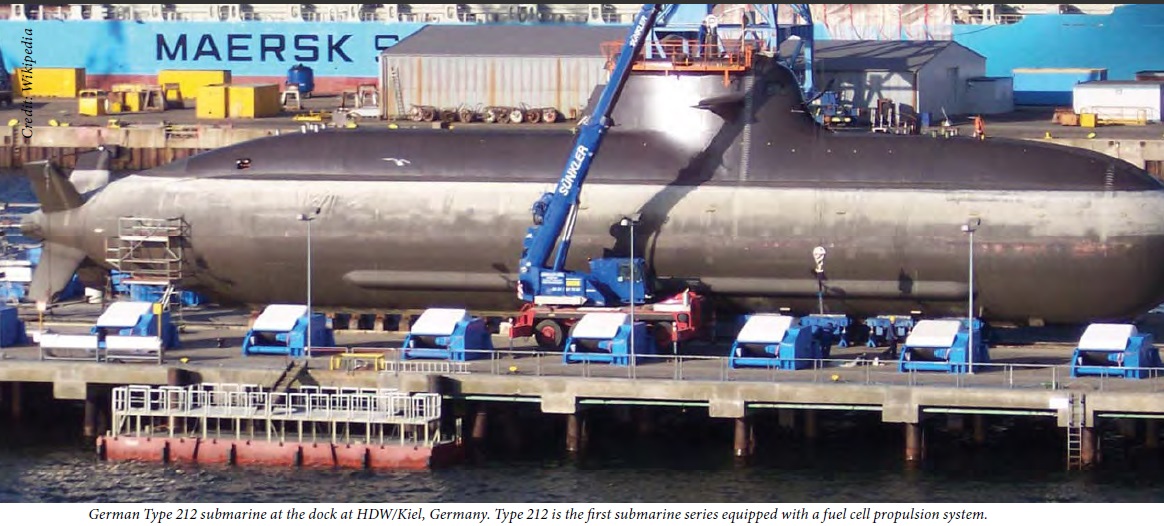
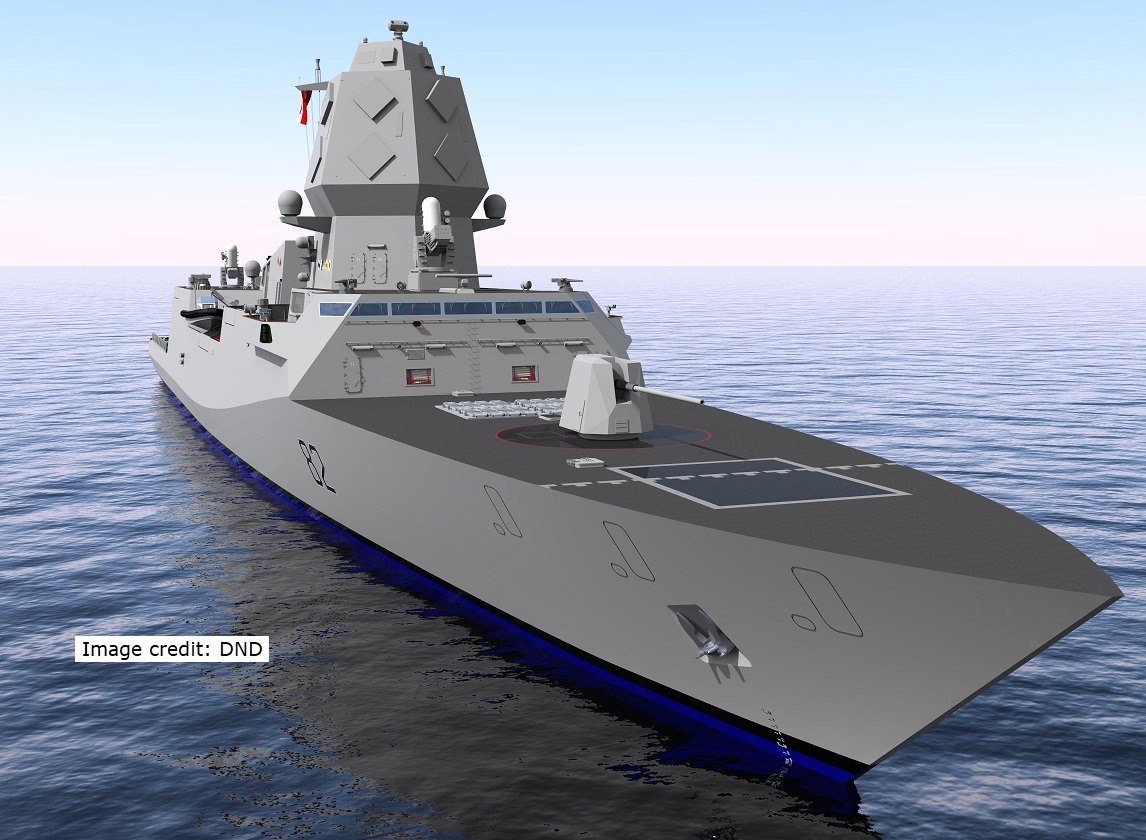
Professor Rob Huebert’s new essay on the state and likely future of the RCN’s fleet is well worth reading. It is sure to generate some criticism. As we have said […]
The photographs of the US Navy’s new destroyer USS Zumwalt embedded in the article are interesting. She is clearly a controversial addition to the US Fleet, particularly in view of the […]
The discussion in this BLOG on the NSPS has tended towards several themes. First, a belief that the Canadian Navy is proposing a fleet that is based on Cold War […]
Canada is not alone in facing public challenges over its future shipbuild programs; Australia faces much the same sort of public questioning over its future naval fleet. Canada hopes to […]
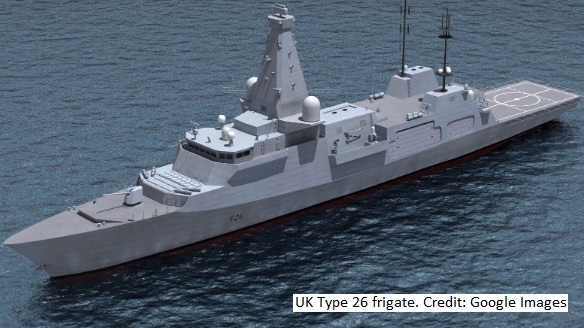
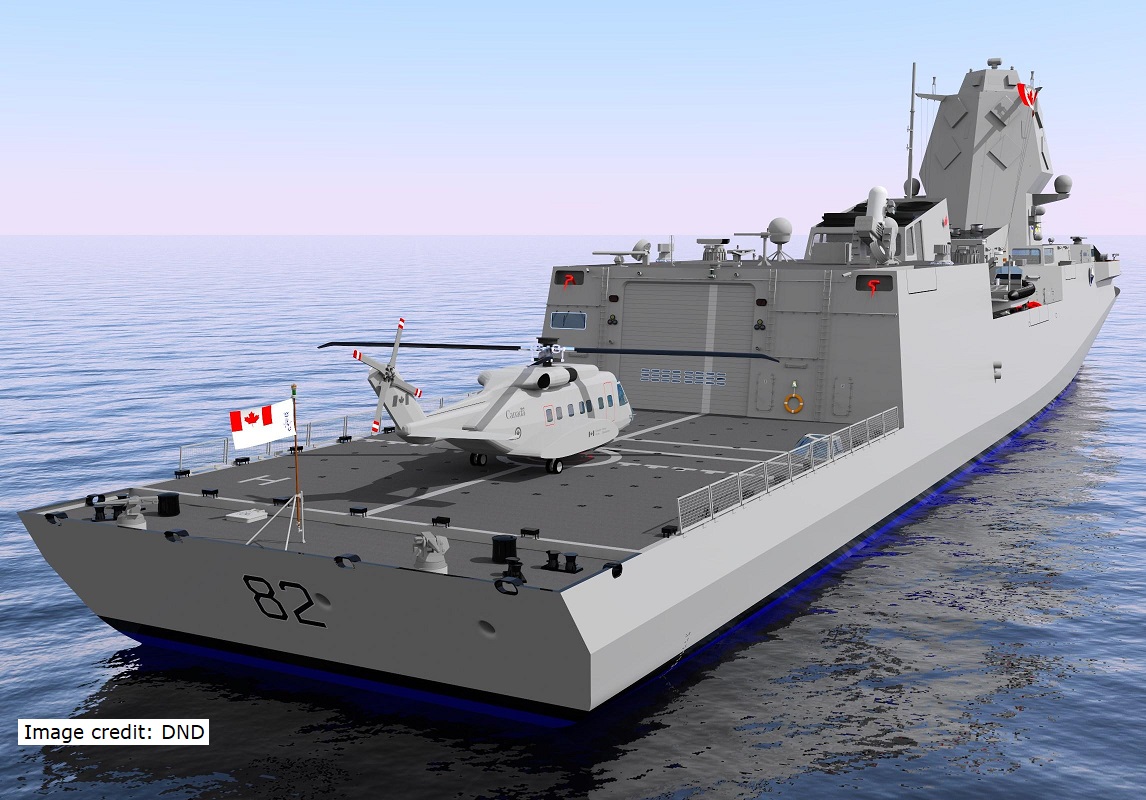
The Canada Surface Combatant (CSC) has been garnering attention of late. For an interesting slant on the implications of CSC schedule delays for Canada’s current fleet of Halifax-class frigates, see […]
Last week the Defence Minister gave a detailed outline to Embassy Magazine on the upcoming defence review. This, and the earlier interview by John Iveson, are starting to provide an […]
As the 2016 Defence Review gets underway there have been many questions as to how the new Liberal government would approach creating their promised “leaner, more agile” military. Thankfully, suggestions […]
Defense -aerospace has cited a study by the respected Forecast International group to argue that current building rates indicate that submarines will continue to exist in sizeable numbers (393) for […]
The two previous posts provide an interesting introduction to the Canadian Surface Combatant capability issue. Where Hansen suggests the survivability of medium-sized warships against modern weapon systems is questionable, the […]
Readers may be interested in this analysis, particularly because variants of at least three of the top 10 modern frigates examined, France’s Aquitaine-class, Denmark’s Iver Huitfeldt-class, and Germany’s Saschen-class, are […]
An article published by David Publiese in the Ottawa Citizen on December 3rd (with the same title as this one and available on his Defence Watch website here) asks a […]
Cookie Consent
At Canadian Naval Review (CNR), we are committed to respecting your privacy. When visiting our website for the first time you can either “Accept all” cookies (including ‘non-essential cookies’) or “Customize” your cookie preferences, which allows you to make individual choices and get details on the cookies we use.
Contains information related to marketing campaigns of the user. These are shared with Google AdWords / Google Ads when the Google Ads and Google Analytics accounts are linked together.
90 days
__utma
ID used to identify users and sessions
2 years after last activity
__utmt
Used to monitor number of Google Analytics server requests
10 minutes
__utmb
Used to distinguish new sessions and visits. This cookie is set when the GA.js javascript library is loaded and there is no existing __utmb cookie. The cookie is updated every time data is sent to the Google Analytics server.
30 minutes after last activity
__utmc
Used only with old Urchin versions of Google Analytics and not with GA.js. Was used to distinguish between new sessions and visits at the end of a session.
End of session (browser)
__utmz
Contains information about the traffic source or campaign that directed user to the website. The cookie is set when the GA.js javascript is loaded and updated when data is sent to the Google Anaytics server
6 months after last activity
__utmv
Contains custom information set by the web developer via the _setCustomVar method in Google Analytics. This cookie is updated every time new data is sent to the Google Analytics server.
2 years after last activity
__utmx
Used to determine whether a user is included in an A / B or Multivariate test.
18 months
_ga
ID used to identify users
2 years
_gali
Used by Google Analytics to determine which links on a page are being clicked
30 seconds
_ga_
ID used to identify users
2 years
_gid
ID used to identify users for 24 hours after last activity
24 hours
_gat
Used to monitor number of Google Analytics server requests when using Google Tag Manager