David Dunlop, 02 December 2020. According to Leadmark 2050, “To meet defence and security challenges in the coming decades, Canada’s maritime forces will need to become better equipped for Maritime […]
Dan Middlemiss, 02 December 2020. For an interesting interview with Rear-Admiral Casper Donovan, Director General Future Ship Capability on the many ideas and factors currently shaping the design of the […]
Procrustes, 26 November 2020. Through Access To Information (ATI) documents, the Canadian Press reports that the Canadian Navy has planned for some time to rely upon Chantier-Davies’ converted civilian container […]
Procrustes, 22 November 2020. Following the Parliamentary Budget Office’s (PBO) release on 17 November of its cost analysis of the government’s Joint Support Ship (JSS) program, DND immediately issued a […]
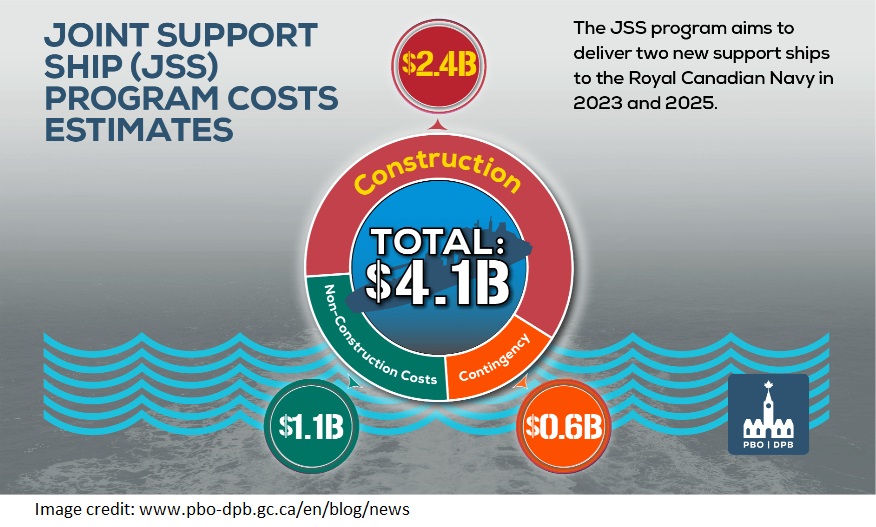
Dan Middlemiss, 17 November 2020. Today, Canada’s Parliamentary Budget Officer released a detailed cost projection for the two supply ships for the Canadian Navy [1]. The PBO analysis compares the […]
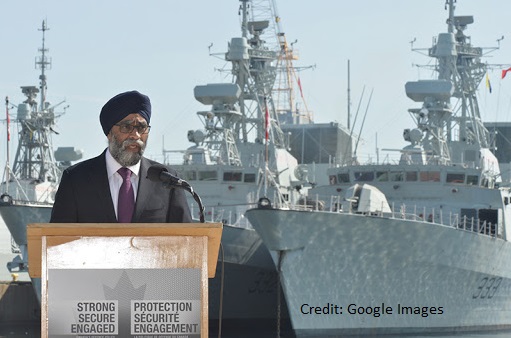
Originally published: Navy News, 16 October 2020. With the release of Canada’s defence policy Strong, Secure, Engaged in 2017, the Government of Canada signaled its commitment to renewing the Royal […]
Unless the RCN wants to rely on friends and allies, Canada needs support ships/Auxiliary Oiler Replenishment (AOR) ships when RCN ships deploy. Until about five years ago, Canada had two […]
You might want to check out an interesting article in Maritime Engineering Journal (Volume 93, Summer 2020), “The Canadian Surface Combatant – Starting a New Conversation on Canada’s Major Warship […]
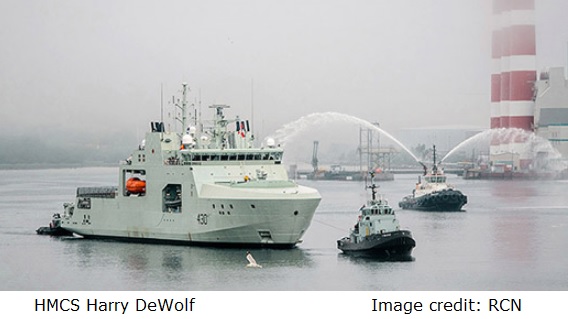
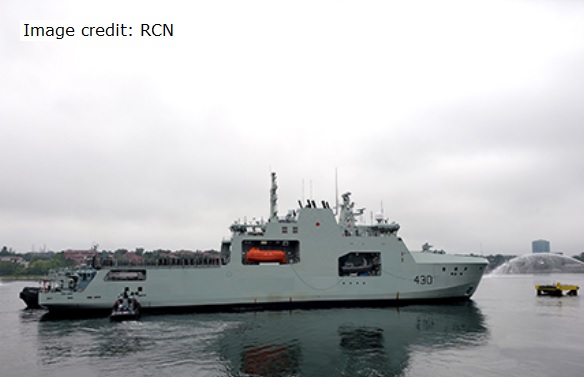
At the end of July 2020, the first Arctic and Offshore Patrol Ship (AOPS) – HMCS Harry DeWolf – was handed over to the Royal Canadian Navy (RCN). This was […]
Procrustes, 11 August 2020. The recent confirmation that the Parliamentary Budget Officer (PBO) will conduct and deliver yet another report on the mounting costs of Ottawa’s preferred bid winner for […]
RCN Media Release, 31 July 2020. The ultimate milestone in shipbuilding procurement is finally here, a first for the Royal Canadian Navy under the National Shipbuilding Strategy! The first Arctic […]
Procrustes, 23 July 2020. Are cost overruns the norm in Canadian naval shipbuilding? If so, why? The Canadian warship procurement system is centrally oriented to keeping Canadian shipbuilders in business. […]
Procrustes, 15 July 2020. Is Ottawa going against an international cost-reduction trend in putting all its surface warship eggs in a one, large, expensive Canadian Surface Combatant (CSC) design basket? […]
Procrustes, 05 July 2020. There has been a longstanding debate in Canada about the extra costs (i.e., the ‘domestic premium’) for building warships in Canada. Certainly the best exponent of […]
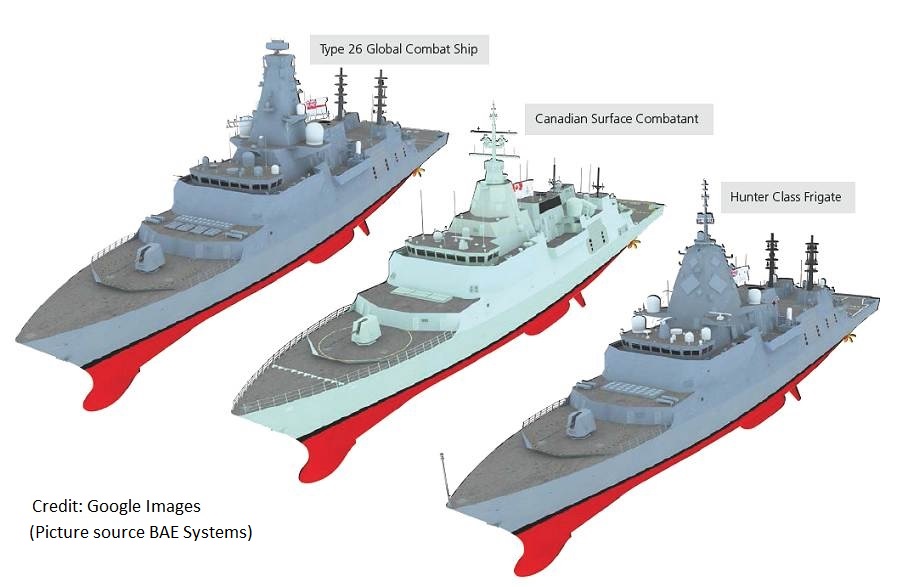
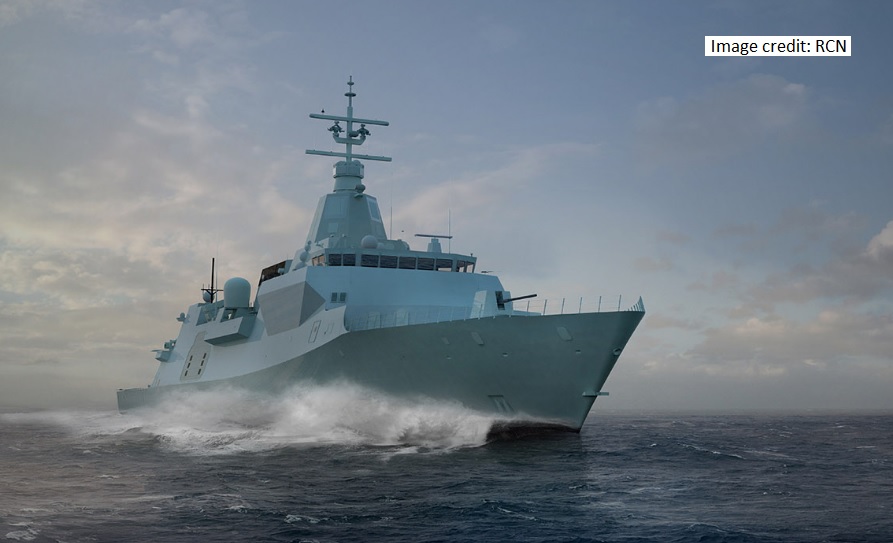
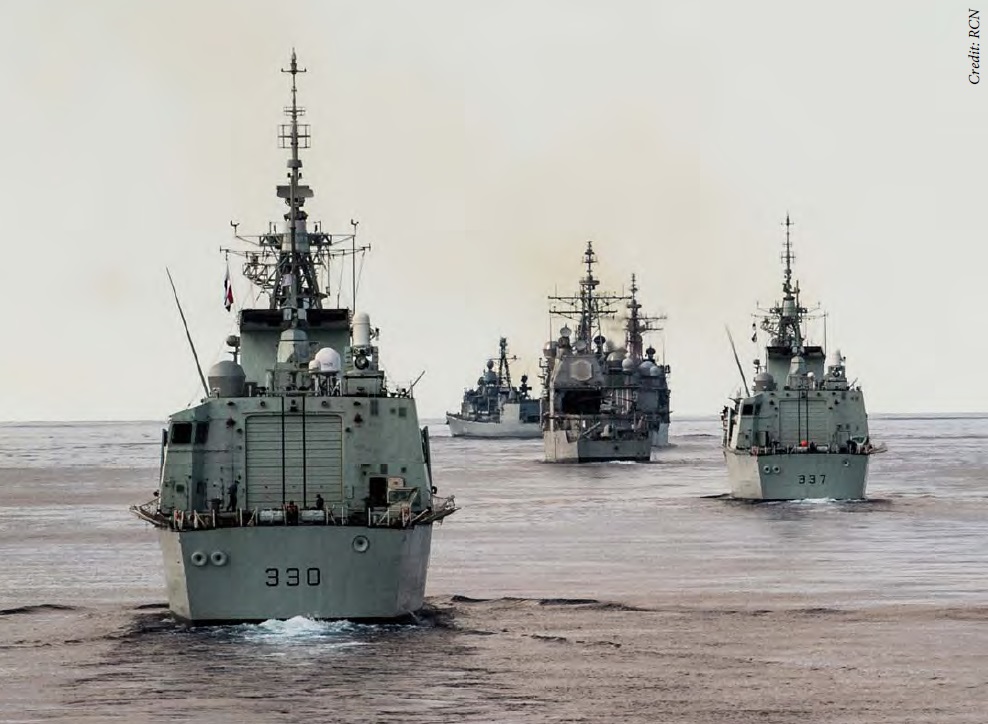
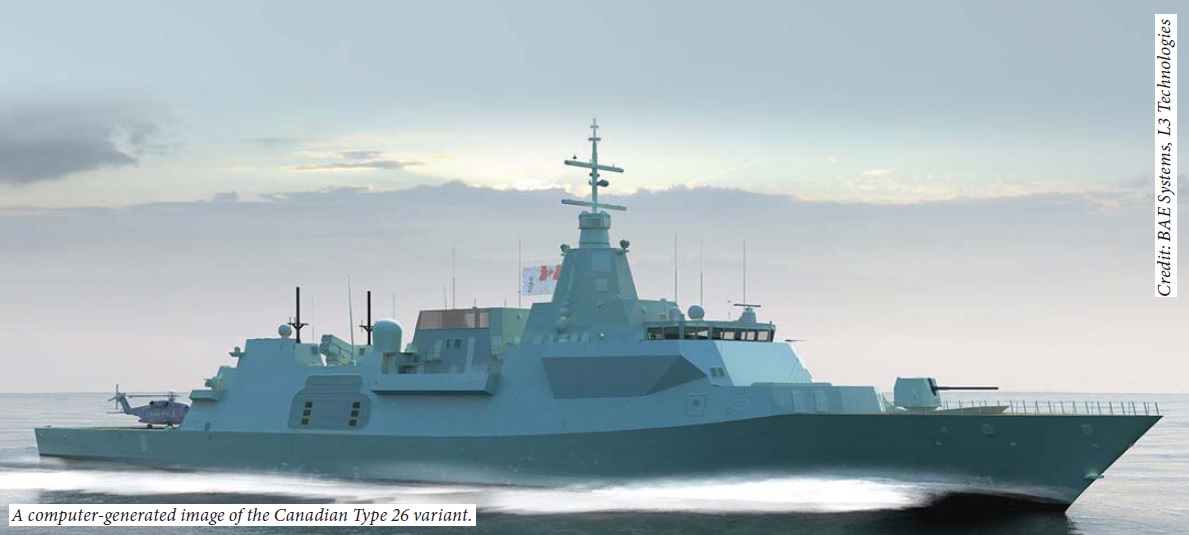
The largest part of the National Shipbuilding Strategy is the construction of the Canadian Surface Combatants (CSCs). The proposed 15 CSCs are to replace the retired Iroquois-class destroyers and the […]
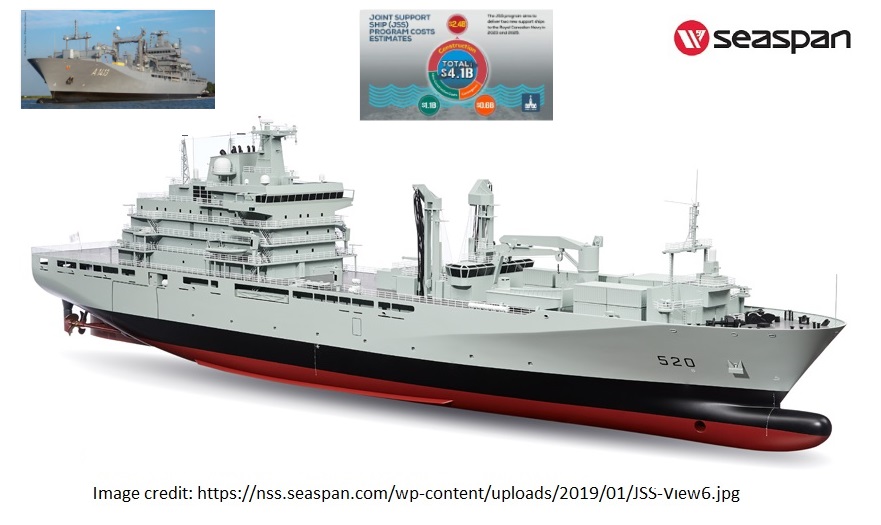
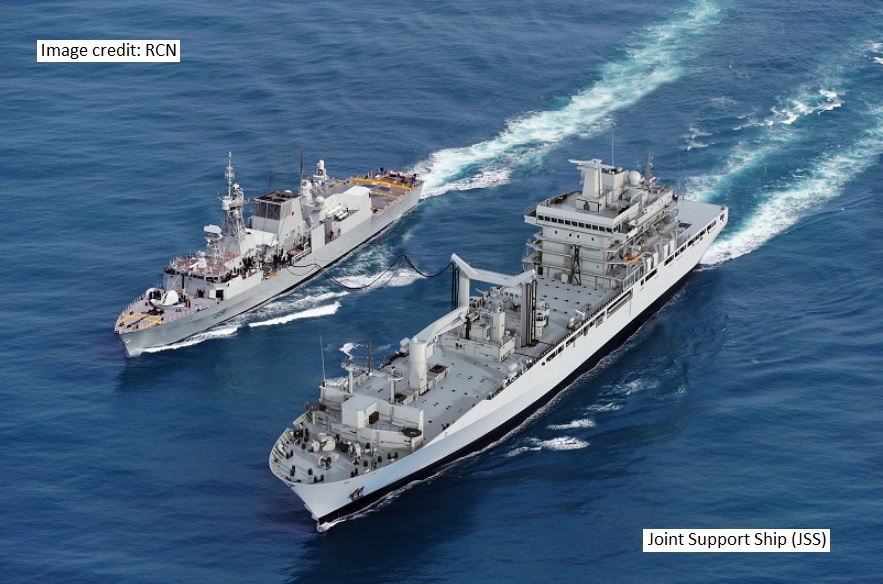
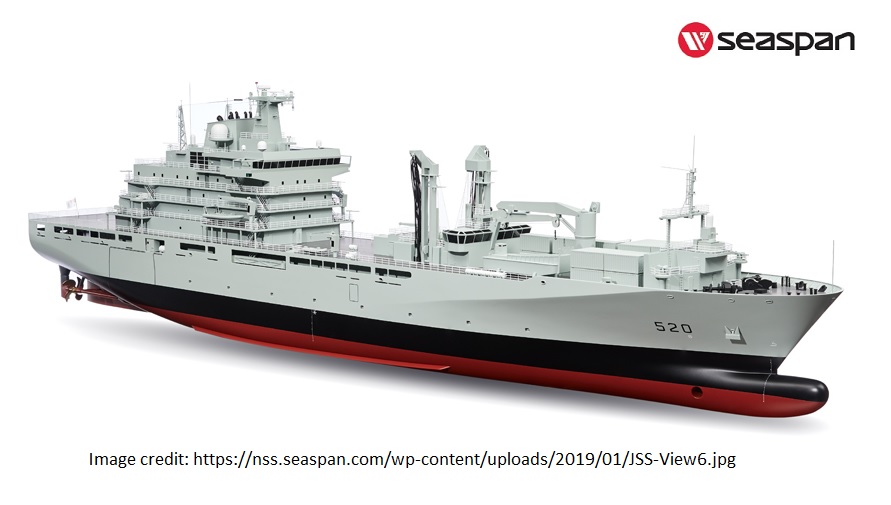
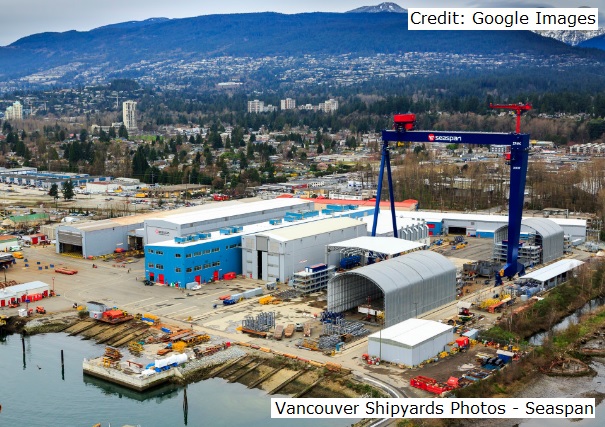
On June 10, the Joint Support Ship (JSS) Build Contract was awarded to Seaspan’s Vancouver Shipyards Ltd. (VSY). This $2.4-billion contract will undertake the full construction phase for the replacement […]
Procrustes, 17 June 2020. See: “Part 1 – Future Domestic Orders” The second component of Dave Perry’s observation is not so obvious and would seem to fly in the face […]
Procrustes, 16 June 2020. Can the National Shipbuilding Strategy (NSS) stand a ‘mini-bust’ without the load-leveling principle wholly unraveling? That is, if skilled workers have to be laid off at […]
The National Shipbuilding (Procurement) Strategy (NSS) to build ships for the Royal Canadian Navy and the Canadian Coast Guard was announced in 2010. That’s 10 years ago. So where are […]
Procrustes, 08 June 2020. This is further to my earlier post about NSS contracts. An early unpublished, but apparently widely circulated, 2015 Price Waterhouse Cooper study concluded that these types […]
Cookie Consent
At Canadian Naval Review (CNR), we are committed to respecting your privacy. When visiting our website for the first time you can either “Accept all” cookies (including ‘non-essential cookies’) or “Customize” your cookie preferences, which allows you to make individual choices and get details on the cookies we use.
Contains information related to marketing campaigns of the user. These are shared with Google AdWords / Google Ads when the Google Ads and Google Analytics accounts are linked together.
90 days
__utma
ID used to identify users and sessions
2 years after last activity
__utmt
Used to monitor number of Google Analytics server requests
10 minutes
__utmb
Used to distinguish new sessions and visits. This cookie is set when the GA.js javascript library is loaded and there is no existing __utmb cookie. The cookie is updated every time data is sent to the Google Analytics server.
30 minutes after last activity
__utmc
Used only with old Urchin versions of Google Analytics and not with GA.js. Was used to distinguish between new sessions and visits at the end of a session.
End of session (browser)
__utmz
Contains information about the traffic source or campaign that directed user to the website. The cookie is set when the GA.js javascript is loaded and updated when data is sent to the Google Anaytics server
6 months after last activity
__utmv
Contains custom information set by the web developer via the _setCustomVar method in Google Analytics. This cookie is updated every time new data is sent to the Google Analytics server.
2 years after last activity
__utmx
Used to determine whether a user is included in an A / B or Multivariate test.
18 months
_ga
ID used to identify users
2 years
_gali
Used by Google Analytics to determine which links on a page are being clicked
30 seconds
_ga_
ID used to identify users
2 years
_gid
ID used to identify users for 24 hours after last activity
24 hours
_gat
Used to monitor number of Google Analytics server requests when using Google Tag Manager