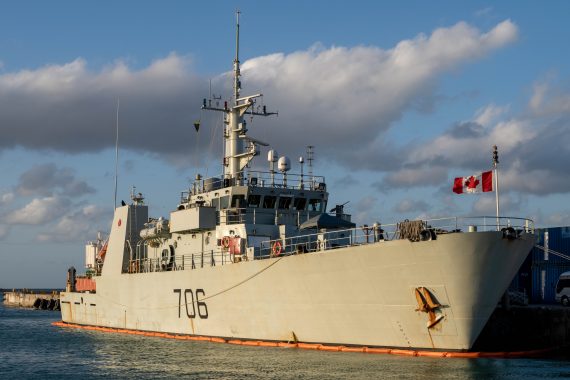
By Ted Barnes, 18 February 2026 Major (Ret’d) Les Mader’s ‘tripwire corvette’ proposal, as described in the recent issue of Canadian Naval Review, confuses political grievance with practical naval strategy. […]
By Jeff G. Gilmour, 10 February 2025 As reported in a recent edition of “The Economist,” Poland’s armed forces are now the third-biggest in NATO after the United States […]
By Jeff G. Gilmour, 2 September 2024 It was recently disclosed that Russia appears to be working on a nuclear weapon in orbit that could knock out our satellite systems […]
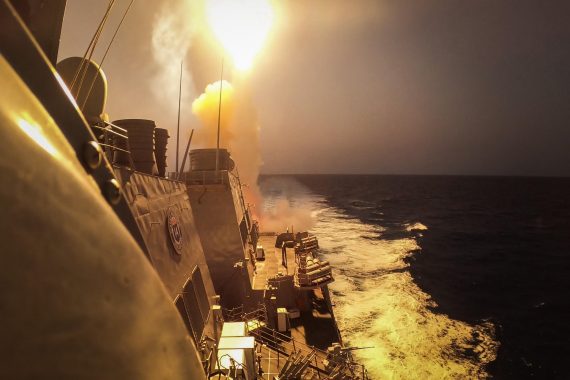
By Dr. Ann Griffiths, 15 January 2024 If anyone is wondering about the relevance of navies in 2024, then there is an obvious role now – protection of shipping. Yemen-based […]
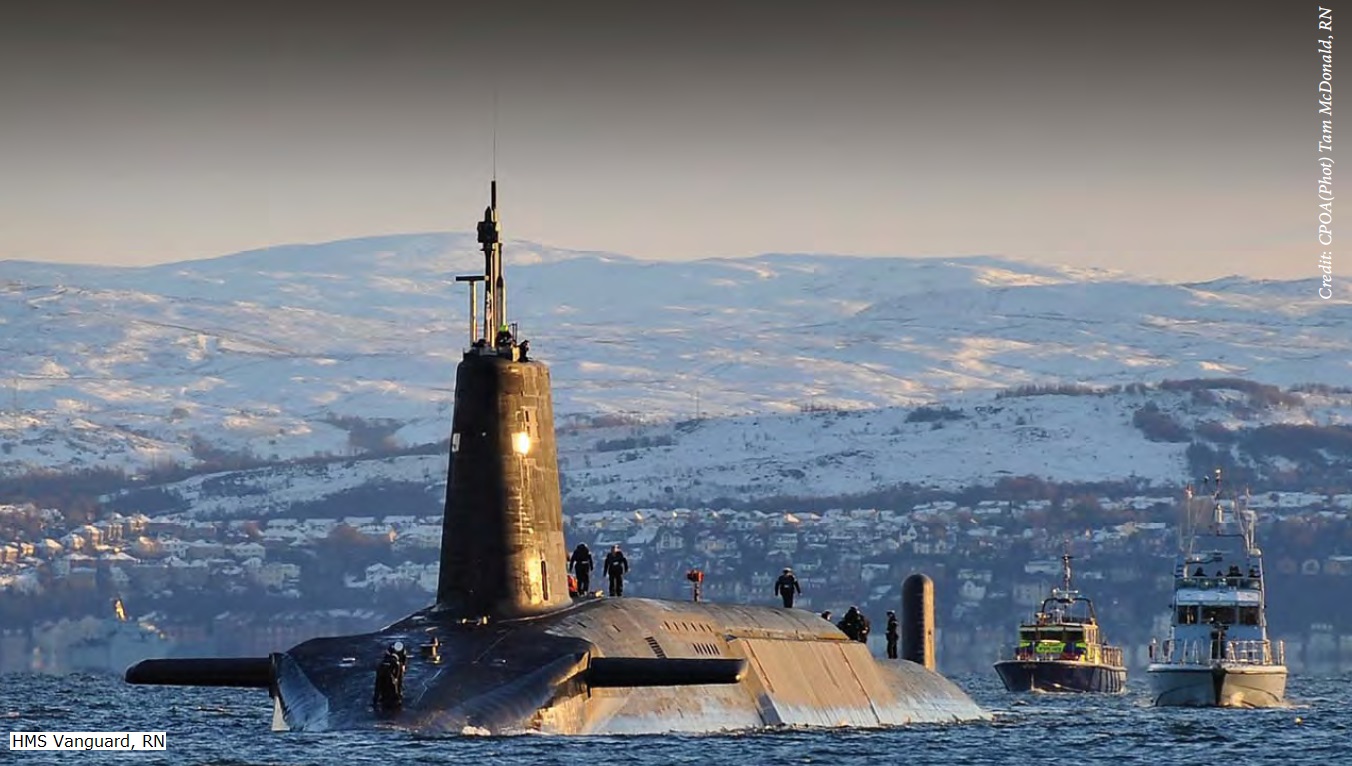
We’ve published several commentaries in recent issues of CNR about the Royal Navy and the United Kingdom’s nuclear deterrent. In particular the commentaries have discussed how it is important to […]
13 Dec 2016. “The detailed report below shows the much vaunted Russian carrier sent to Syria is less than effective and hints the Chinese equivalent is also not likely high in […]
28 Nov 2016. A previous post to Broadsides covers the re-emergence of a potent Russian submarine fleet. Coupled with Mr.Putin’s apparent interest in using his Navy to support foreign policy […]
Cookie Consent
At Canadian Naval Review (CNR), we are committed to respecting your privacy. When visiting our website for the first time you can either “Accept all” cookies (including ‘non-essential cookies’) or “Customize” your cookie preferences, which allows you to make individual choices and get details on the cookies we use.
Contains information related to marketing campaigns of the user. These are shared with Google AdWords / Google Ads when the Google Ads and Google Analytics accounts are linked together.
90 days
__utma
ID used to identify users and sessions
2 years after last activity
__utmt
Used to monitor number of Google Analytics server requests
10 minutes
__utmb
Used to distinguish new sessions and visits. This cookie is set when the GA.js javascript library is loaded and there is no existing __utmb cookie. The cookie is updated every time data is sent to the Google Analytics server.
30 minutes after last activity
__utmc
Used only with old Urchin versions of Google Analytics and not with GA.js. Was used to distinguish between new sessions and visits at the end of a session.
End of session (browser)
__utmz
Contains information about the traffic source or campaign that directed user to the website. The cookie is set when the GA.js javascript is loaded and updated when data is sent to the Google Anaytics server
6 months after last activity
__utmv
Contains custom information set by the web developer via the _setCustomVar method in Google Analytics. This cookie is updated every time new data is sent to the Google Analytics server.
2 years after last activity
__utmx
Used to determine whether a user is included in an A / B or Multivariate test.
18 months
_ga
ID used to identify users
2 years
_gali
Used by Google Analytics to determine which links on a page are being clicked
30 seconds
_ga_
ID used to identify users
2 years
_gid
ID used to identify users for 24 hours after last activity
24 hours
_gat
Used to monitor number of Google Analytics server requests when using Google Tag Manager