Canada’s decision to terminate the lease agreement for MV Wloclawek (IMO Registration No.: 8302313, pictured above) leaves the military without ready access to a sealift capability. You can read more […]
Murray Brewster’s article entitled “DND to drop costly cargo ship” in the Thursday, 28 July, issue of The Chronicle Herald reports on the continuing problems with commercial charter arrangements to […]
Brian Stewart, formerly Senior Correspondent for CBC’s national news programme “The National” and now Distinguished Senior Fellow with the Munk Centre at the University of Toronto, filed a report on […]
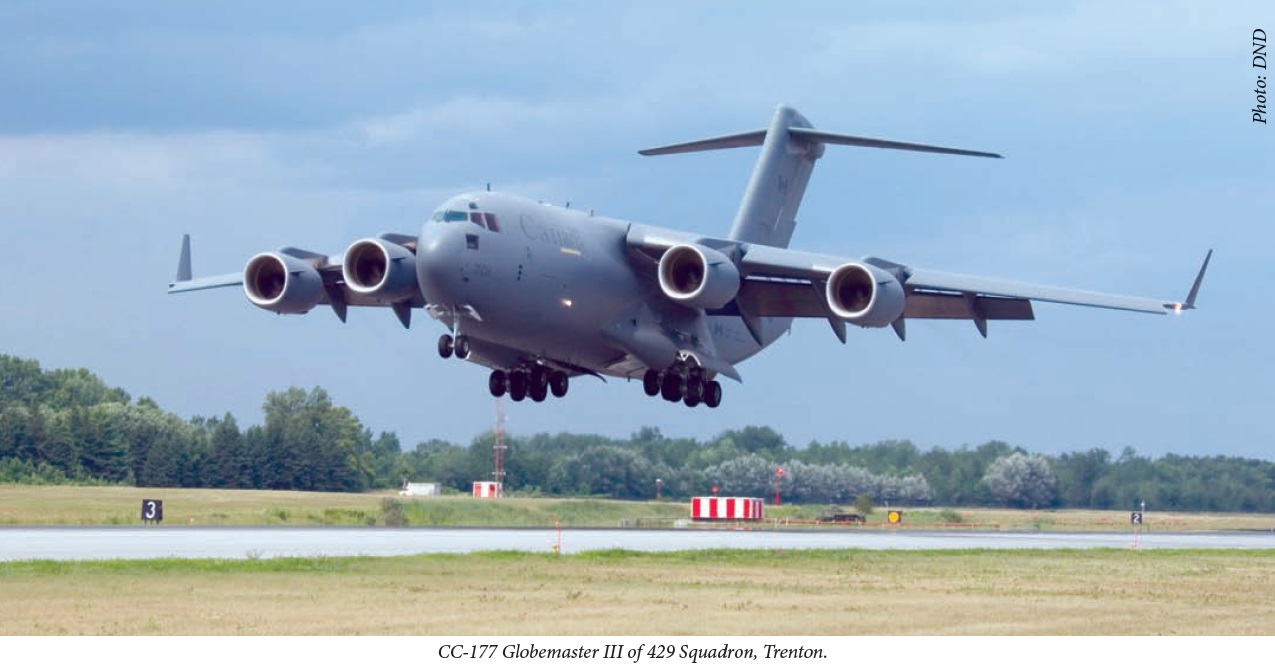
The cost factors Ken Hansen outlines demonstrate the ongoing need for sealift. Indeed, with sealift costs being between one-tenth and one-seventieth the cost of airlift, coupled with the fact that […]
The Pentagon’s request to Congress for $750M in ’emergency funding’ to move Mine Resistant Ambush Protected vehicles (MRAPs) by air for use by U.S. Armed Forces in Iraq (detailed here) […]
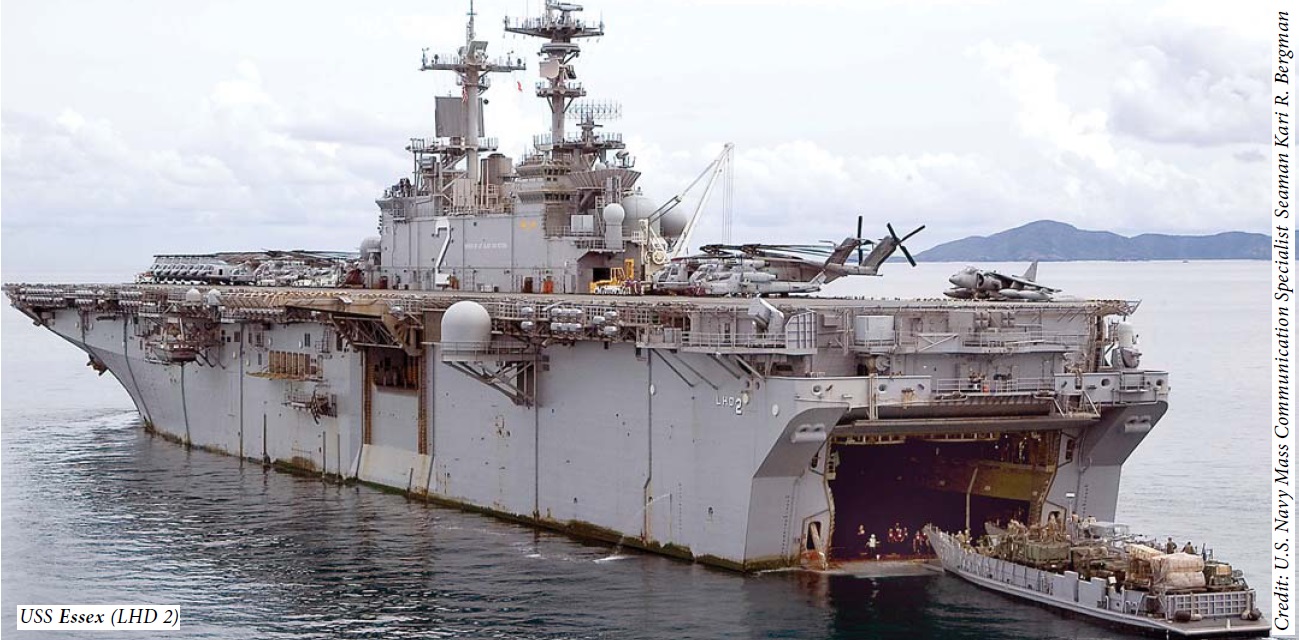
Robin Allan refers to the requirement as a “Big Honking Ship”. The term is somewhat overly generous. The projected full load displacement of the JSS is about 28,000 tons, about […]
This plan (David Pugliese, “Forces to lease supply ship”, Daily News 18 July 2007, p.12) to charter a cargo ship for a period of a year or more was described […]
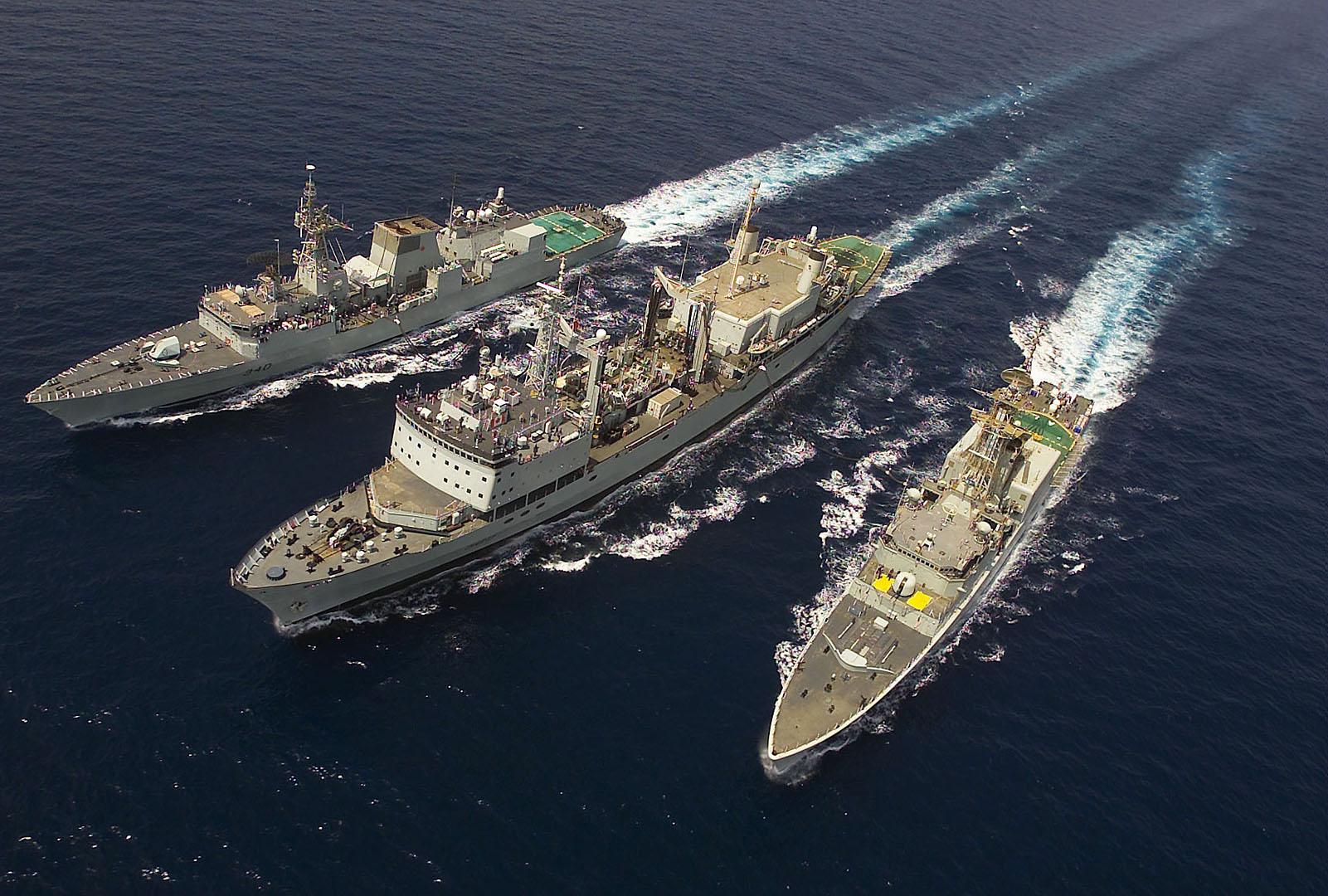
Everything that Peter Haydon says in his article on the “Canadian Naval Task Group” is accurate. The task group has been fundamental to our past success and it will likely […]
The Canadian navy’s sea-lift capacity has been mentioned previously in these quarters, in the context of the rumoured Conservative plan to pay-off the existing Protecteur-class replenishment ships a full two […]
Cookie Consent
At Canadian Naval Review (CNR), we are committed to respecting your privacy. When visiting our website for the first time you can either “Accept all” cookies (including ‘non-essential cookies’) or “Customize” your cookie preferences, which allows you to make individual choices and get details on the cookies we use.
Contains information related to marketing campaigns of the user. These are shared with Google AdWords / Google Ads when the Google Ads and Google Analytics accounts are linked together.
90 days
__utma
ID used to identify users and sessions
2 years after last activity
__utmt
Used to monitor number of Google Analytics server requests
10 minutes
__utmb
Used to distinguish new sessions and visits. This cookie is set when the GA.js javascript library is loaded and there is no existing __utmb cookie. The cookie is updated every time data is sent to the Google Analytics server.
30 minutes after last activity
__utmc
Used only with old Urchin versions of Google Analytics and not with GA.js. Was used to distinguish between new sessions and visits at the end of a session.
End of session (browser)
__utmz
Contains information about the traffic source or campaign that directed user to the website. The cookie is set when the GA.js javascript is loaded and updated when data is sent to the Google Anaytics server
6 months after last activity
__utmv
Contains custom information set by the web developer via the _setCustomVar method in Google Analytics. This cookie is updated every time new data is sent to the Google Analytics server.
2 years after last activity
__utmx
Used to determine whether a user is included in an A / B or Multivariate test.
18 months
_ga
ID used to identify users
2 years
_gali
Used by Google Analytics to determine which links on a page are being clicked
30 seconds
_ga_
ID used to identify users
2 years
_gid
ID used to identify users for 24 hours after last activity
24 hours
_gat
Used to monitor number of Google Analytics server requests when using Google Tag Manager