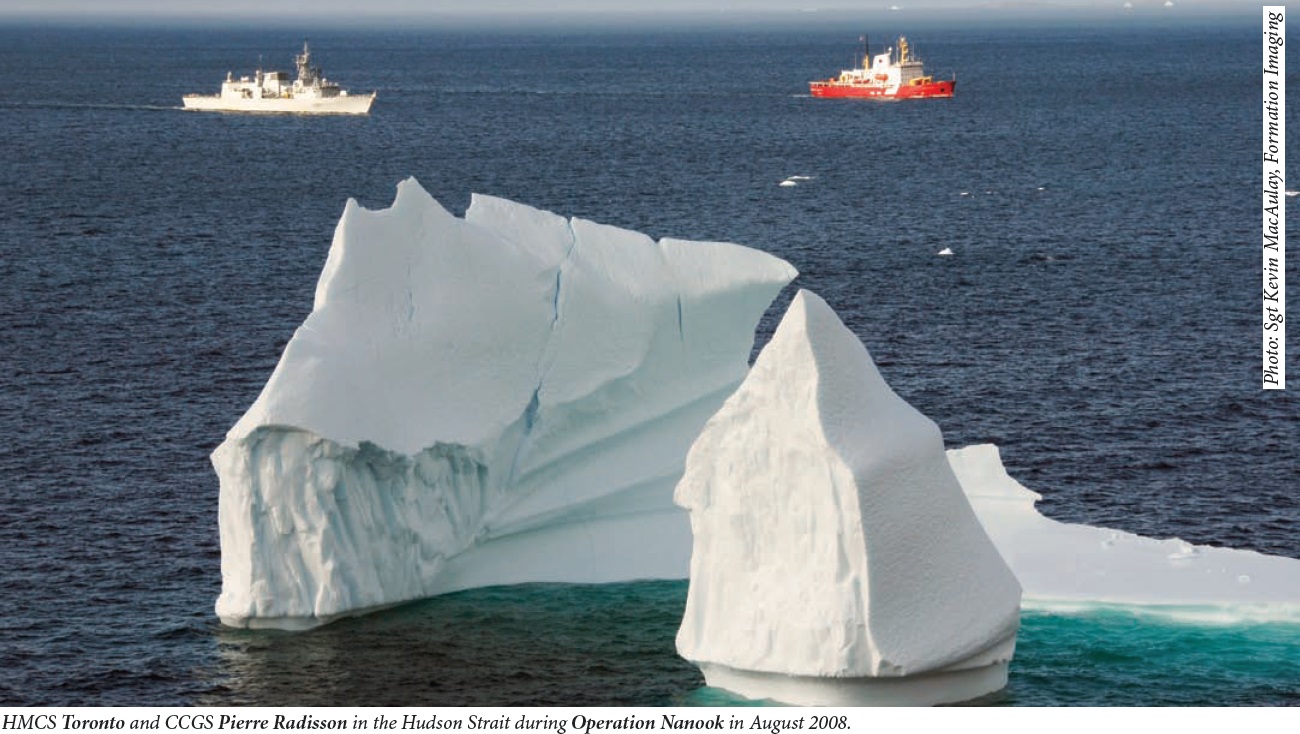
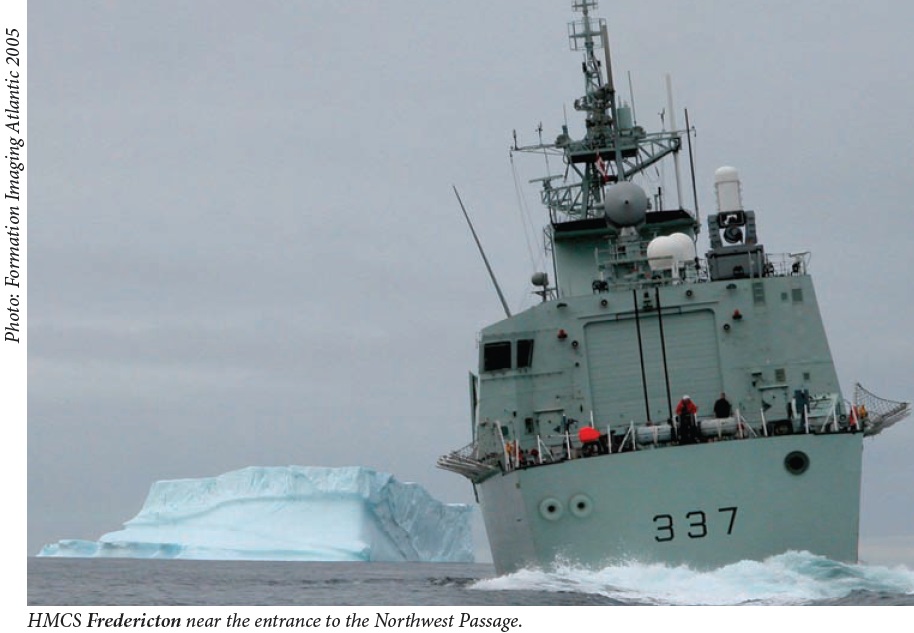
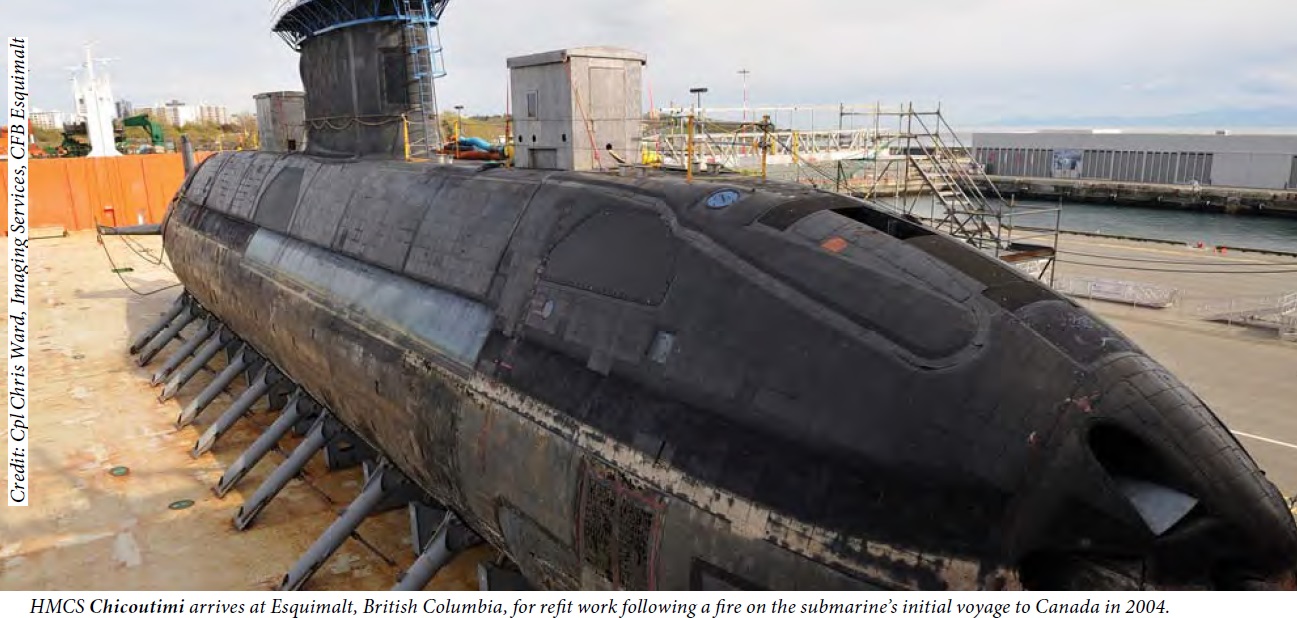
The following announcement was sent out by the Conference of Defence Associations Institute: Ottawa, 11 June 2014 – The Conference of Defence Associations Institute is pleased to release Vimy Paper […]
[*This article appeared originally in the February 2013 issue of Marine Matters. It is reprinted here with the permission of the publisher.] It is an odd thing about Canada that, […]
The Government of Canada received the report of Mr. Tom Jenkins, the Special Adviser to the Minister of Public Works and Government Services on 12 February 2013. The report is […]
Radio Canada’s le téléjournal ran an investigative report Tuesday and Wednesday on naval ship procurement. The opposition parties are claiming that government incompetence could lead to massive overspending under the […]
[*Moderator’s Note: This article appeared originally as part of the ‘Plain Talk’ series in the Fall 2010 issue (Vol. 6, No. 3) of Canadian Naval Review.] Is the announcement of […]
I was squarely in Eric Lerhe’s court until his last paragraph. I am not as convinced as him that all the hoped for procurements outlined in the current government’s policy – whether […]
I agree with much of Ken Hansen’s analysis. While we have indeed done badly at maintaining leading edge capabilities after purchase (note, however, exceptions of Halifax-class, CP-140, and CF-18 mid-life […]
Defence Industry Daily (13 Oct 10 – “Canada’s C$2.9 B “Joint Support Ship” Project, Take 2”) and Dave Pugliese’s Defence Watch (20 Oct 10 – “Joint Support Ship Less Capable But Air […]
Some of the issues in Professor Geoffrey Till’s recent paper found here (Naval War College Review, Winter 2010, pp. 33-60) may not apply to Canada, the strategic nuclear deterrent being […]
Ken Hansen has posed an interesting question. It is not a question that is independent of other maritime concerns, namely ‘maritime blindness of the Canadian society’, the future of the Canadian navy, […]
If we keep on dithering with Arctic Ocean policy, it will be the ‘Arctic Desert’ before the academics, politicians, military and bureaucrats get anything done – and by then it […]
The fall out of the recent federal election, amidst the worldwide economic swirl, opens an opportunity for the Canadian government to invest in Canadian jobs and Canadian technology through Canada’s […]
The announcement on the evening of Friday, August 22, 2008 of the cancellation of the JSS procurement should have been no surprise to any observer of naval and military affairs. […]
Dear Senator Kenny, Bravo Zulu on a plainspoken wake up call to Canadians. Jack Granatstein’s classics – “Who Killed Canadian History?” and “Who Killed the Canadian Military?” have fallen on […]
Amid all of the discussions and commentaries about the defence policy announcement, something has been overlooked. Neither in the speeches nor in the Backgrounders was there any mention of the […]
I would like to bring two important news items to the attention of our readers. First, a CBC report indicates that the Canadian government’s self-imposed deadline on a decision to […]
Murray Brewster’s article [The Globe and Mail, “DND may be shopping for new subs, sources say”] casts an interesting light on the future of Canada’s submarine fleet. The existing four […]
This February, David Pugliese reported that a leaked copy of the Canada First Defence Strategy would retire our current AOR in 2010, two years before the JSS was delivered in […]
This story should be a wake-up call for the Canadian policy makers that are still in the midst of fine-tuning the Canada First Defence Policy (CFDP). The influential Center for […]
Today’s article by David Pugiliese suggests concerns about sole sourcing may have resulted in a scuppering of plans to fast track a $500M purchase of General Atomics’ MQ-1 ‘Predator’ drones. […]
Cookie Consent
At Canadian Naval Review (CNR), we are committed to respecting your privacy. When visiting our website for the first time you can either “Accept all” cookies (including ‘non-essential cookies’) or “Customize” your cookie preferences, which allows you to make individual choices and get details on the cookies we use.
Contains information related to marketing campaigns of the user. These are shared with Google AdWords / Google Ads when the Google Ads and Google Analytics accounts are linked together.
90 days
__utma
ID used to identify users and sessions
2 years after last activity
__utmt
Used to monitor number of Google Analytics server requests
10 minutes
__utmb
Used to distinguish new sessions and visits. This cookie is set when the GA.js javascript library is loaded and there is no existing __utmb cookie. The cookie is updated every time data is sent to the Google Analytics server.
30 minutes after last activity
__utmc
Used only with old Urchin versions of Google Analytics and not with GA.js. Was used to distinguish between new sessions and visits at the end of a session.
End of session (browser)
__utmz
Contains information about the traffic source or campaign that directed user to the website. The cookie is set when the GA.js javascript is loaded and updated when data is sent to the Google Anaytics server
6 months after last activity
__utmv
Contains custom information set by the web developer via the _setCustomVar method in Google Analytics. This cookie is updated every time new data is sent to the Google Analytics server.
2 years after last activity
__utmx
Used to determine whether a user is included in an A / B or Multivariate test.
18 months
_ga
ID used to identify users
2 years
_gali
Used by Google Analytics to determine which links on a page are being clicked
30 seconds
_ga_
ID used to identify users
2 years
_gid
ID used to identify users for 24 hours after last activity
24 hours
_gat
Used to monitor number of Google Analytics server requests when using Google Tag Manager