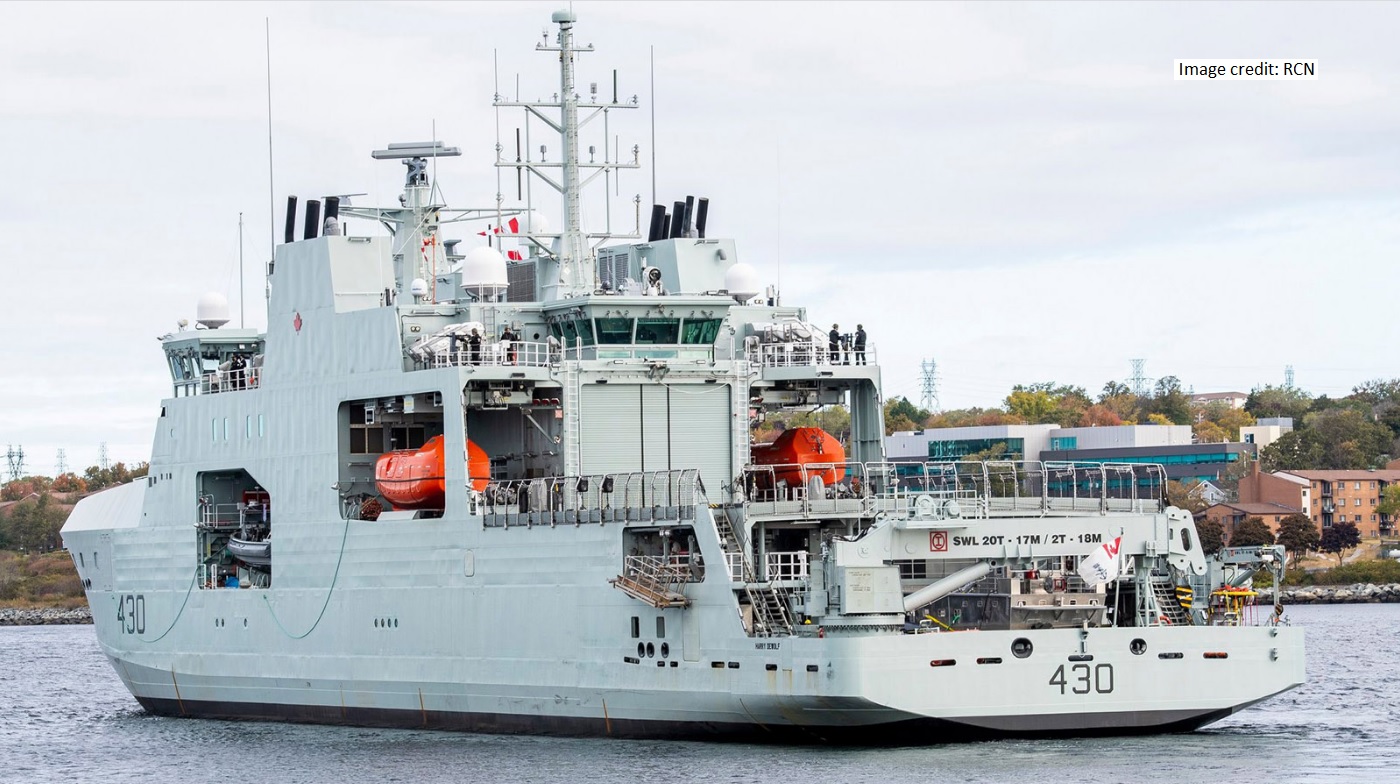
RCN Media Release, 10 November 2020. HMCS Harry DeWolf departed Halifax on October 13 to begin its Basic Single Ship Readiness Training that will take place over the upcoming months. […]
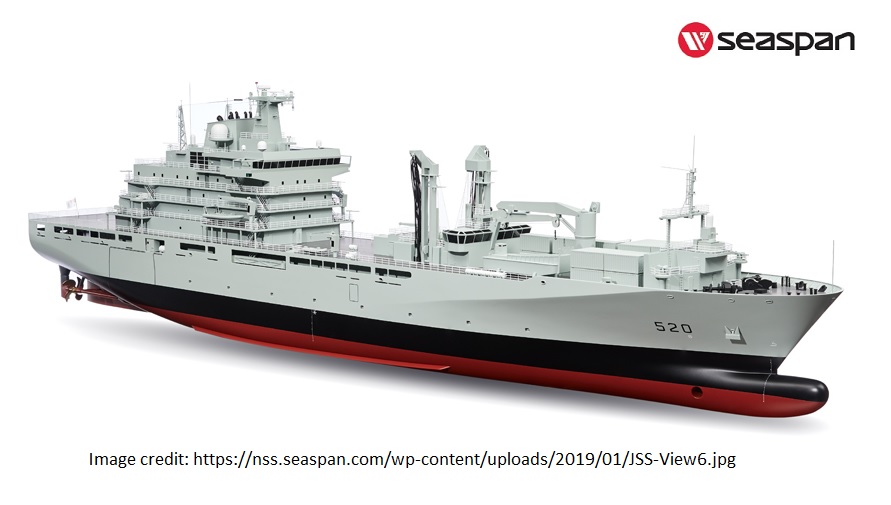
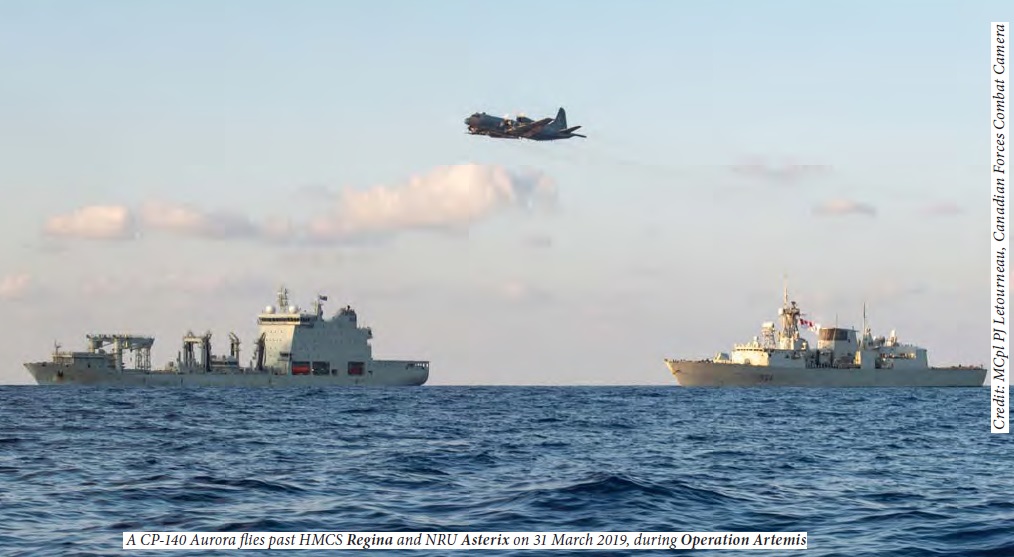
Unless the RCN wants to rely on friends and allies, Canada needs support ships/Auxiliary Oiler Replenishment (AOR) ships when RCN ships deploy. Until about five years ago, Canada had two […]
In case you haven’t been paying attention, Canada is building new ships for the navy. We hear about design, capabilities, timetables, numbers and especially costs. But we don’t hear a […]
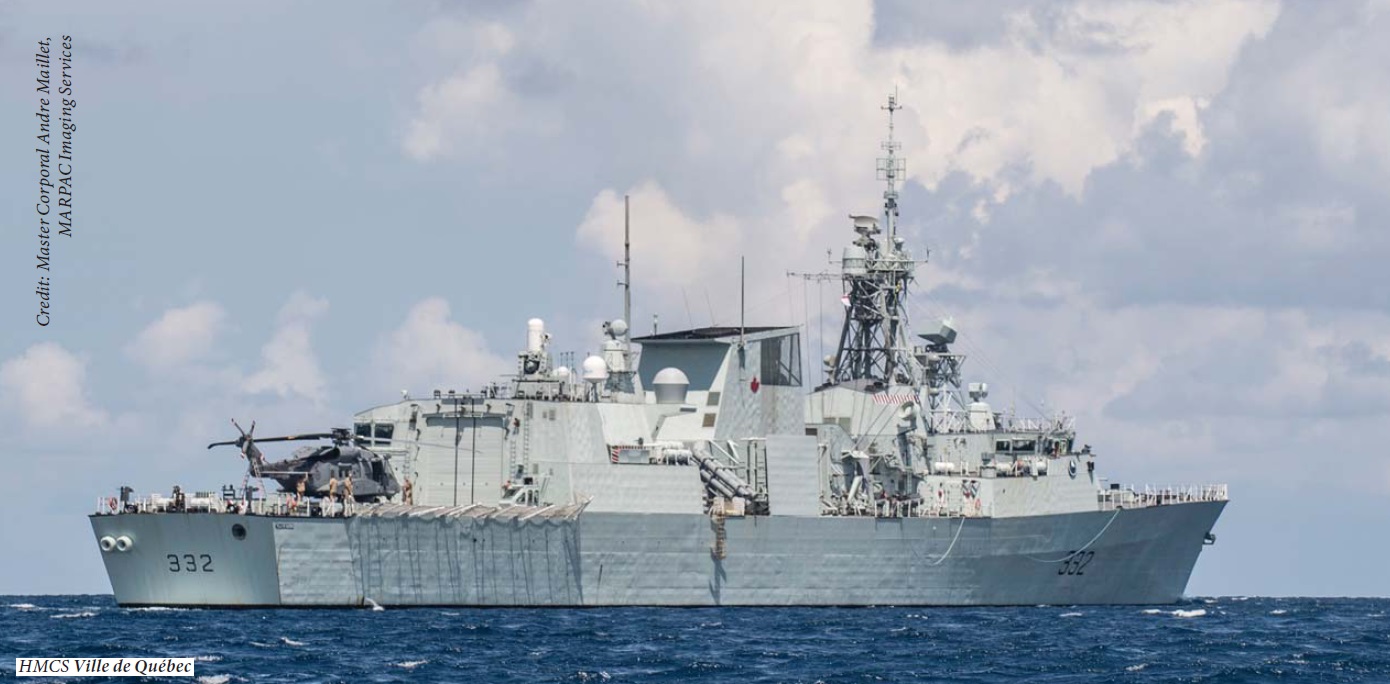
RCN Public Affairs, 15 October 2020. HMC Ships Ville de Québec and Halifax departed from Halifax on September 20 to join HMCS Toronto, SNMG1 and the Royal Navy off the […]
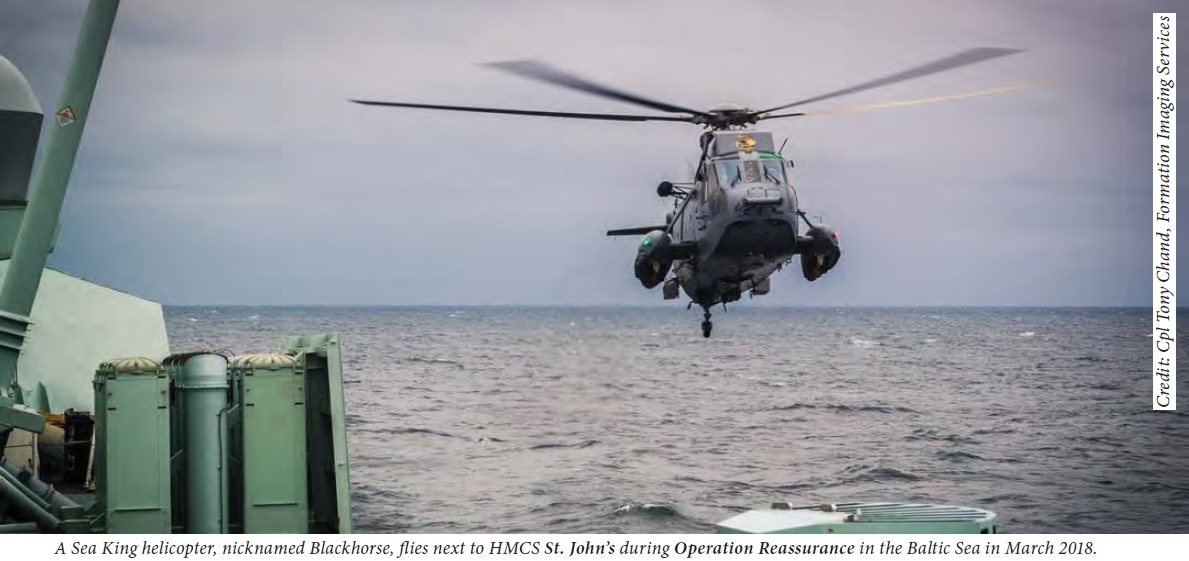
RCN Public Affairs, 13 October 2020. HMCS Toronto is deployed in the Baltic region of Northern Europe with Standing NATO Maritime Group 1 (SNMG1) while on Op REASSURANCE. The ship […]
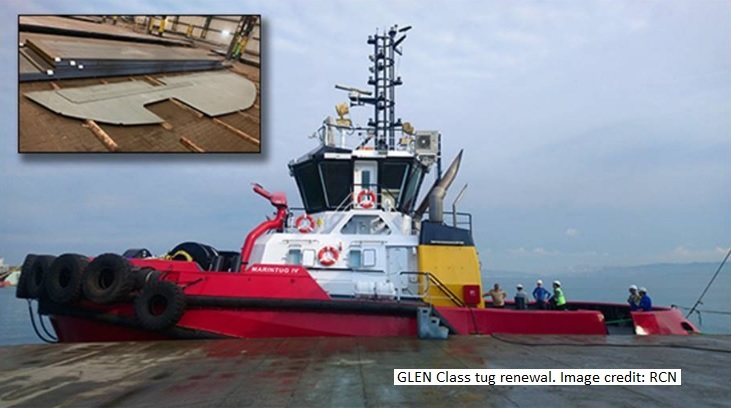
RCN Public Affairs, 09 October 2020. After 45 years of dependable and steady service, the RCN’s GLEN class tugs will soon be replaced. Their replacement fleet has progressed from drawings […]
We know that the Royal Canadian Navy (RCN) is a blue-water navy, and RCN warships regularly sail to distant lands to work with allies. But what about closer to home? […]
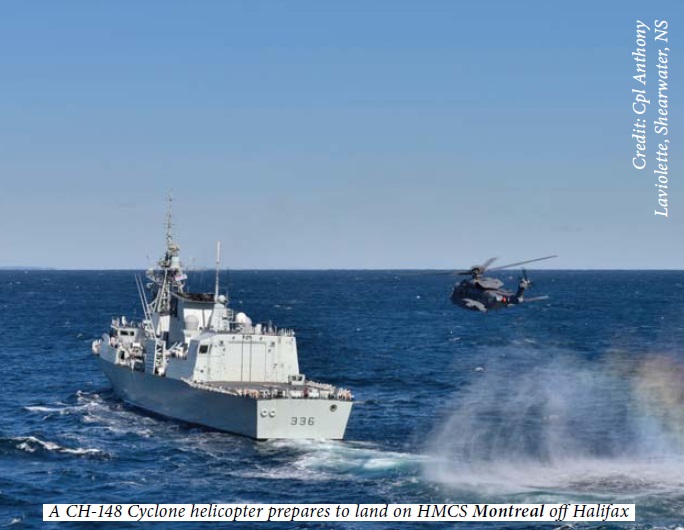
We know about naval ships, but what about Canada’s naval aviation capacity? What capabilities does Canada have, and what do they do? There are a variety of maritime aviation capabilities, […]
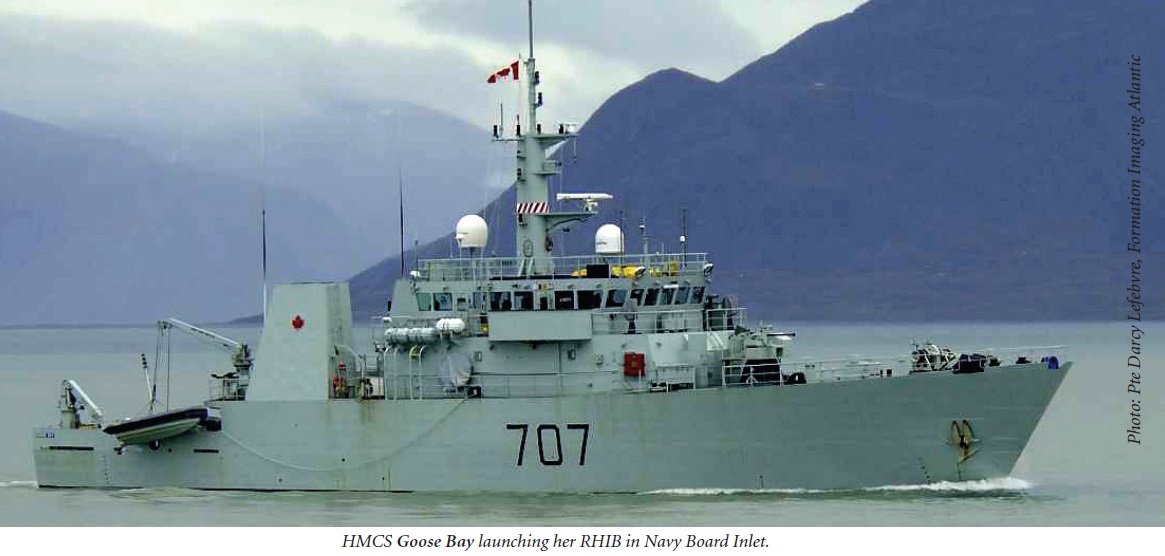
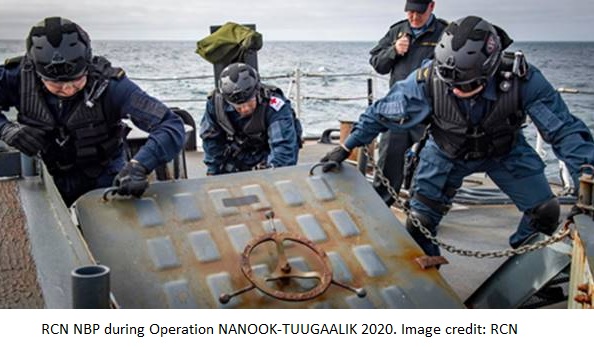
RCN Public Affairs, 24 September 2020. HMC Ships Ville de Québec and Glace Bay and MV Asterix were in the Arctic region participating in Operation NANOOK-TUUGAALIK 2020 in August. The […]
Canada has two sea-going services – the Royal Canadian Navy (RCN) and the Canadian Coast Guard (CCG). Why two? They operate different ships and, while their tasks sometimes overlap and […]
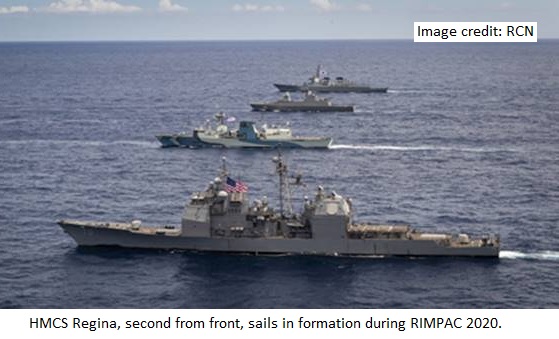
RCN Public Affairs, 14 September 2020. Her Majesty’s Canadian Ships (HMCS) Regina and Winnipeg participated in Exercise Rim of the Pacific (RIMPAC) 2020 from August 17 to 31 around the […]
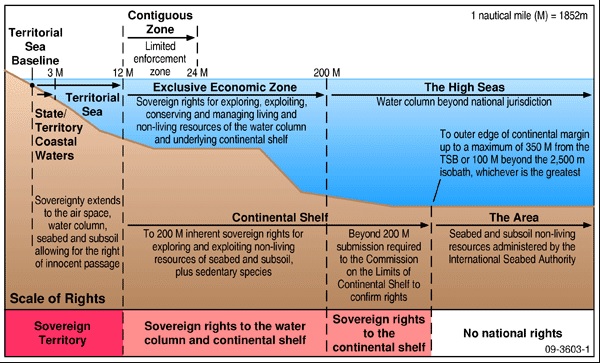
Most global trade is transported via the oceans, and Canada relies on the oceans to transport all its non-US trade. As well, Canada has always been a supporter of law […]
RCN Public Affairs, 28 August 2020. RCN Rank Change Initiative Poll Results & Rank Designation Change Decision Shipmates, Thank you for participating so enthusiastically in our poll seeking your advice […]
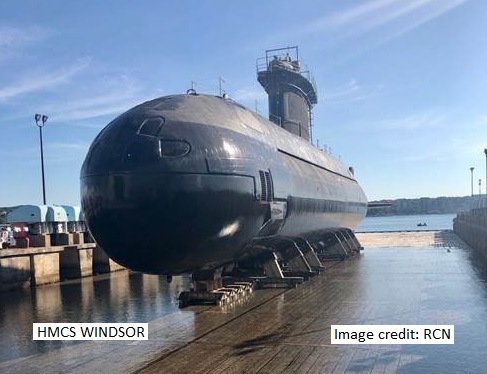
RCN Media Release, 24 August 2020. Earlier this month the HMCS WINDSOR was undocked in HMC Dockyard Halifax, marking a key milestone in Canada’s submarine program. Undocking, or moving a […]
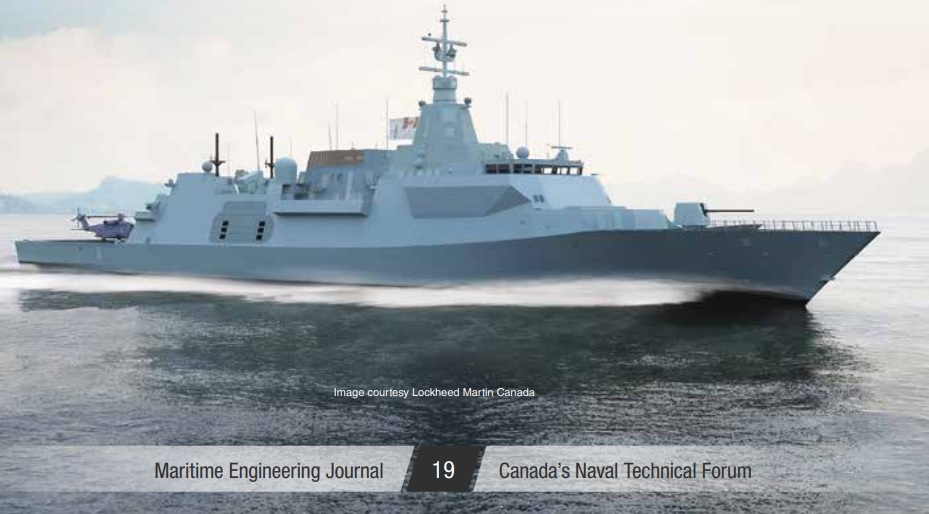
You might want to check out an interesting article in Maritime Engineering Journal (Volume 93, Summer 2020), “The Canadian Surface Combatant – Starting a New Conversation on Canada’s Major Warship […]
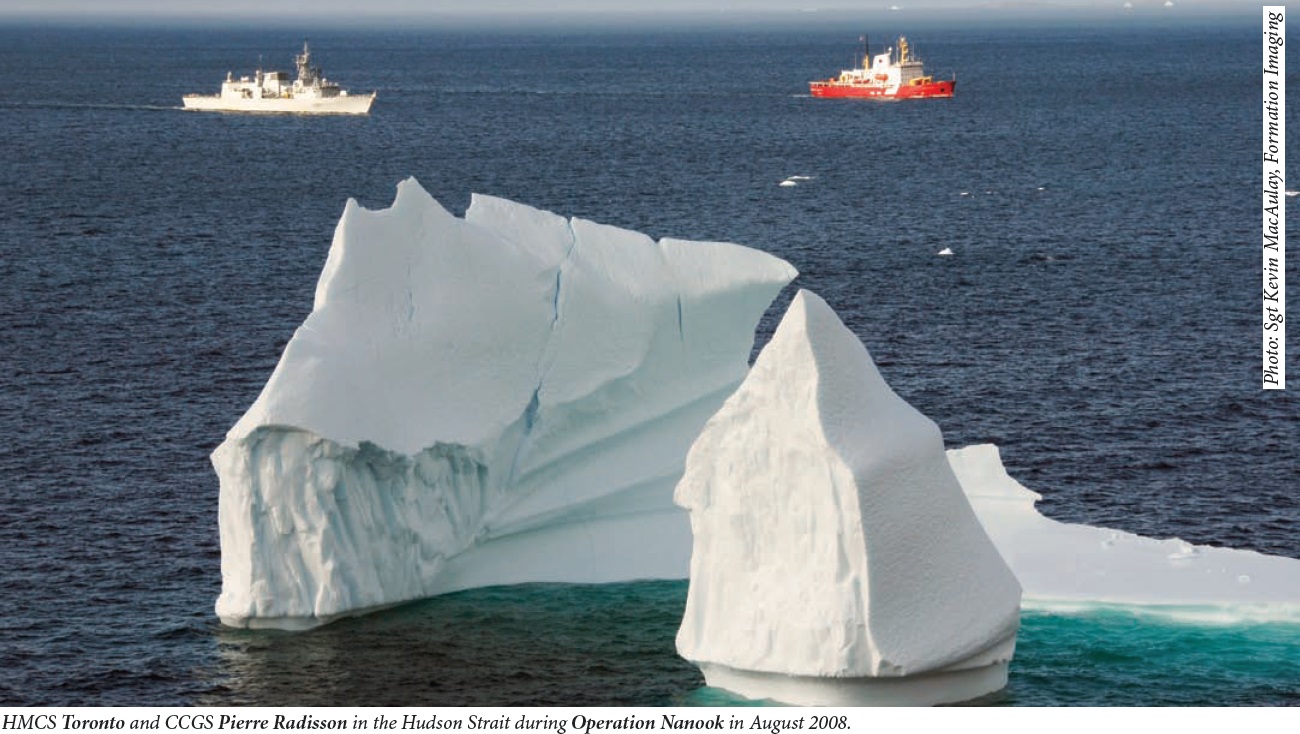
Canadians often define themselves as northern people, and think of the North as an integral part of the country. That attitude may be summed up, for example, by the famous […]
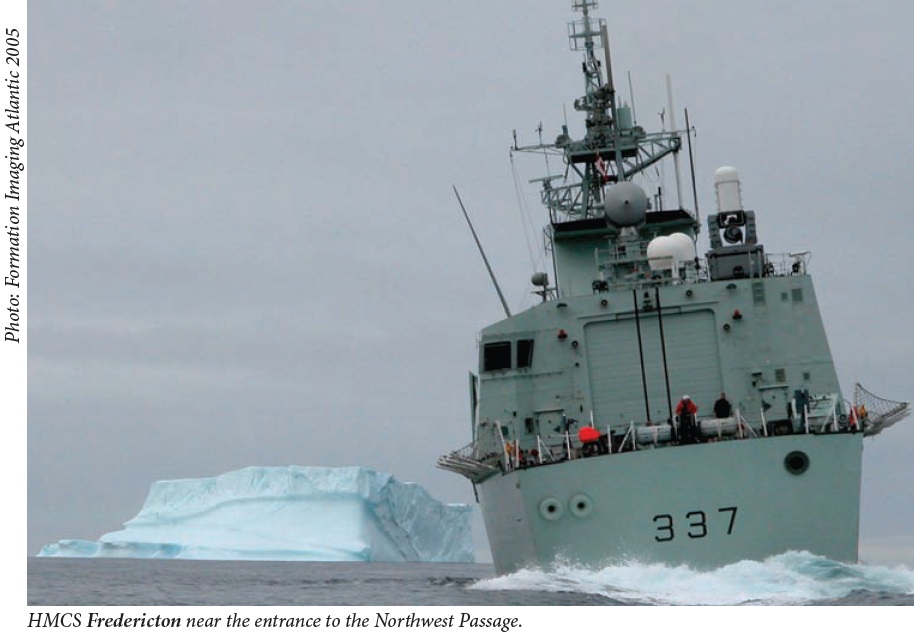
At the onset of the Cold War, it became clear that the Arctic was of strategic significance. So, for a brief period, the Royal Canadian Navy (RCN) established a presence […]
The Royal Canadian Navy’s (RCN) has 12 Halifax-class frigates, which are split between the East and West Coasts of the country. They were built in the 1990s and joined the […]
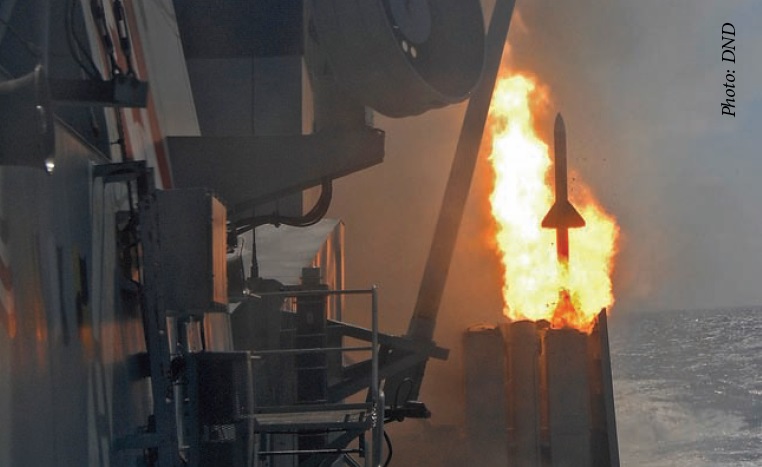
The Royal Canadian Navy (RCN) is versatile – and will become even more so when the ships included in the National Shipbuilding Strategy (NSS) are complete. The fleet of submarines, […]
The Royal Canadian Navy is a blue-water navy – it travels around the world to play a number of roles to further Canadian foreign policy goals. It conducts operations, often […]
Cookie Consent
At Canadian Naval Review (CNR), we are committed to respecting your privacy. When visiting our website for the first time you can either “Accept all” cookies (including ‘non-essential cookies’) or “Customize” your cookie preferences, which allows you to make individual choices and get details on the cookies we use.
Contains information related to marketing campaigns of the user. These are shared with Google AdWords / Google Ads when the Google Ads and Google Analytics accounts are linked together.
90 days
__utma
ID used to identify users and sessions
2 years after last activity
__utmt
Used to monitor number of Google Analytics server requests
10 minutes
__utmb
Used to distinguish new sessions and visits. This cookie is set when the GA.js javascript library is loaded and there is no existing __utmb cookie. The cookie is updated every time data is sent to the Google Analytics server.
30 minutes after last activity
__utmc
Used only with old Urchin versions of Google Analytics and not with GA.js. Was used to distinguish between new sessions and visits at the end of a session.
End of session (browser)
__utmz
Contains information about the traffic source or campaign that directed user to the website. The cookie is set when the GA.js javascript is loaded and updated when data is sent to the Google Anaytics server
6 months after last activity
__utmv
Contains custom information set by the web developer via the _setCustomVar method in Google Analytics. This cookie is updated every time new data is sent to the Google Analytics server.
2 years after last activity
__utmx
Used to determine whether a user is included in an A / B or Multivariate test.
18 months
_ga
ID used to identify users
2 years
_gali
Used by Google Analytics to determine which links on a page are being clicked
30 seconds
_ga_
ID used to identify users
2 years
_gid
ID used to identify users for 24 hours after last activity
24 hours
_gat
Used to monitor number of Google Analytics server requests when using Google Tag Manager