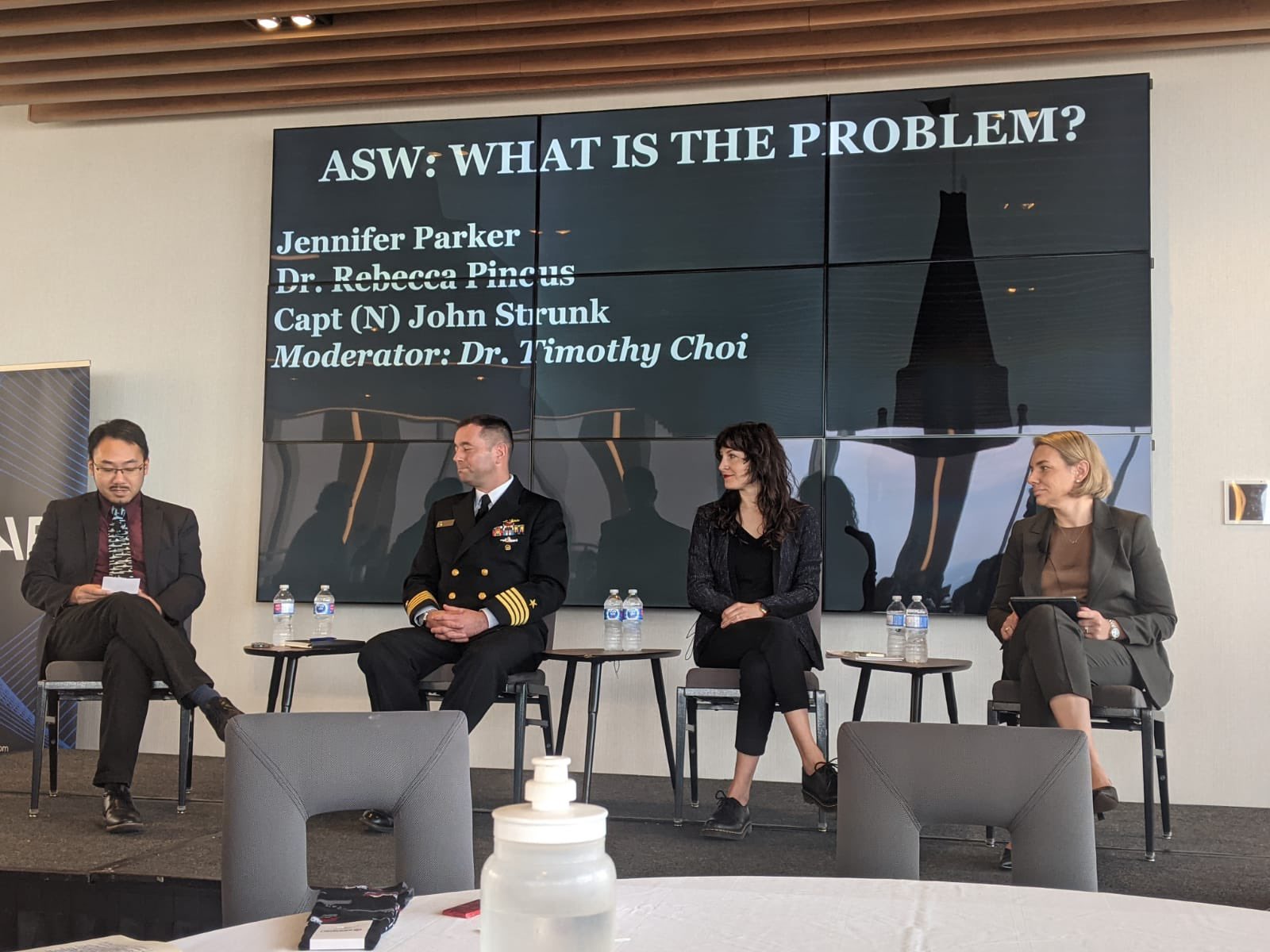
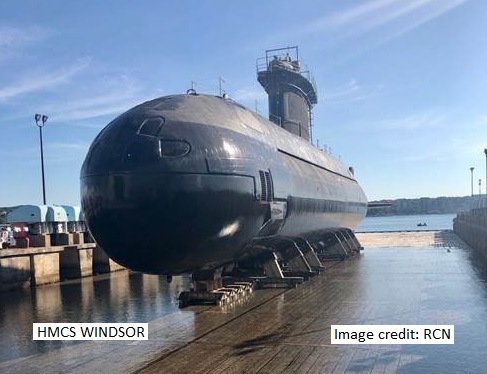
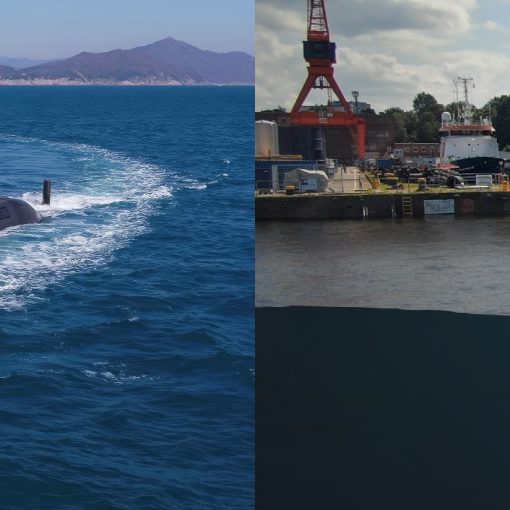
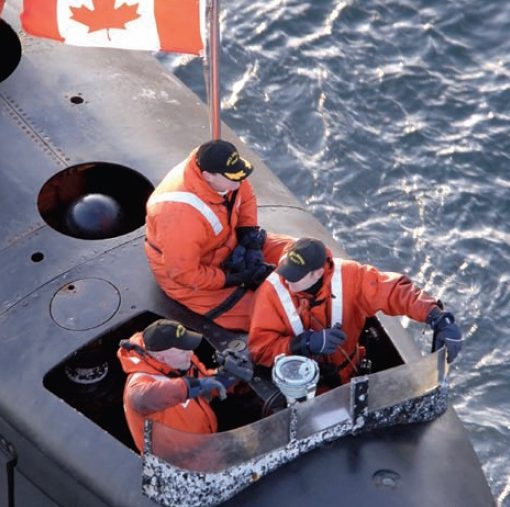
On 15 June, the Canadian Global Affairs Institute (CGAI) hosted one-day hybrid conference “Canadian ASW in the Future Strategic Environment.” There are several articles in Canadian Defence Review on the challenges facing the RCN and CAF that may be of interest to CNR readers. There is an article by James Careless, Canadian Defence Review (CDR) Ottawa Bureau Chief, entitled “Canada, NATO Face Serious Submarine Warfare Challenges.” In it he outlines the recent conference discussion. He outlines the presentations made by: General Wayne Eyre, Chief of the Canadian Defence Staff; Rebecca Pincus, Director of the Polar Institute at the Wilson Center in Washington, DC.; Jennifer Parker, the Deputy Director Defence of The Australian Strategic Policy Institute’s Defence, Strategy and National Security program; Vice-Admiral Angus Topshee, Commander of the Royal Canadian Navy; Captain Blair Brown, RCN Director of Naval Requirements; RAF Group Captain Richard Berry; and RCN RAdm (ret’d) Chris Earl, Seaspan Victoria Shipyards Vice President of Project Delivery. The one day conference was moderated by RCN VAdm (ret’d) Mark Norman. The article sums up an interesting and timely discussion, see https://www.canadiandefencereview.com/news/canada-nato-face-serious-submarine-warfare-challenges . In another issue of Canadian Defence Review is an article (“Babcock and Hanwha Ocean Sign Cooperation Agreement for the Canadian Patrol Submarine Project”) that might be of interest. It discusses an agreement between two international companies about submarines. See Babcock and Hanwha Ocean Sign Cooperation Agreement for the Canadian Patrol Submarine Project | Canadian Defence Review
David Dunlop, 1 October 2018. The characteristics of modern 21st century submarines are: endurance, stealth, freedom of movement and versatility. The best […]
At Canadian Naval Review (CNR), we are committed to respecting your privacy. When visiting our website for the first time you can either “Accept all” cookies (including ‘non-essential cookies’) or “Customize” your cookie preferences, which allows you to make individual choices and get details on the cookies we use.
Contains information related to marketing campaigns of the user. These are shared with Google AdWords / Google Ads when the Google Ads and Google Analytics accounts are linked together.
90 days
__utma
ID used to identify users and sessions
2 years after last activity
__utmt
Used to monitor number of Google Analytics server requests
10 minutes
__utmb
Used to distinguish new sessions and visits. This cookie is set when the GA.js javascript library is loaded and there is no existing __utmb cookie. The cookie is updated every time data is sent to the Google Analytics server.
30 minutes after last activity
__utmc
Used only with old Urchin versions of Google Analytics and not with GA.js. Was used to distinguish between new sessions and visits at the end of a session.
End of session (browser)
__utmz
Contains information about the traffic source or campaign that directed user to the website. The cookie is set when the GA.js javascript is loaded and updated when data is sent to the Google Anaytics server
6 months after last activity
__utmv
Contains custom information set by the web developer via the _setCustomVar method in Google Analytics. This cookie is updated every time new data is sent to the Google Analytics server.
2 years after last activity
__utmx
Used to determine whether a user is included in an A / B or Multivariate test.
18 months
_ga
ID used to identify users
2 years
_gali
Used by Google Analytics to determine which links on a page are being clicked
30 seconds
_ga_
ID used to identify users
2 years
_gid
ID used to identify users for 24 hours after last activity
24 hours
_gat
Used to monitor number of Google Analytics server requests when using Google Tag Manager