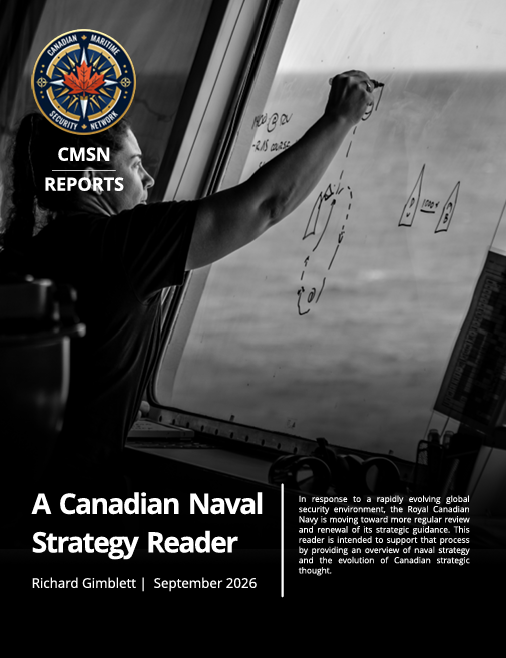
By Moderator, 21 October 2026 Everything you’ve always wanted to know about Canadian naval strategy … but were afraid to ask. A useful new publication – “A Canadian Naval Strategy […]
By Moderator, 6 March 2026 There’s an interesting article by CNR Editorial Board member Kate E. Todd. It’s called: “Maritime Security in 2026: From Competition to Contestation,” published by the […]
Canada is active internationally and belongs to many international organizations but it is a member of only two formal defence alliances/arrangements. Canada is a founding member of NATO which was […]
José Cañadas Méndez, 25 April 2021 In March 2021 the Naval Association of Canada (NAC) issued a new Niobe paper. The subject this time is “The Royal Canadian Navy and […]
David Dunlop, 02 December 2020. According to Leadmark 2050, “To meet defence and security challenges in the coming decades, Canada’s maritime forces will need to become better equipped for Maritime […]
Most global trade is transported via the oceans, and Canada relies on the oceans to transport all its non-US trade. As well, Canada has always been a supporter of law […]
Konrad Mech, 14 August 2020 Some readers may be interested in an article I wrote, recently published in SITREP, the Journal of the Royal Canadian Military Institute, titled “Automation, Autonomy, […]
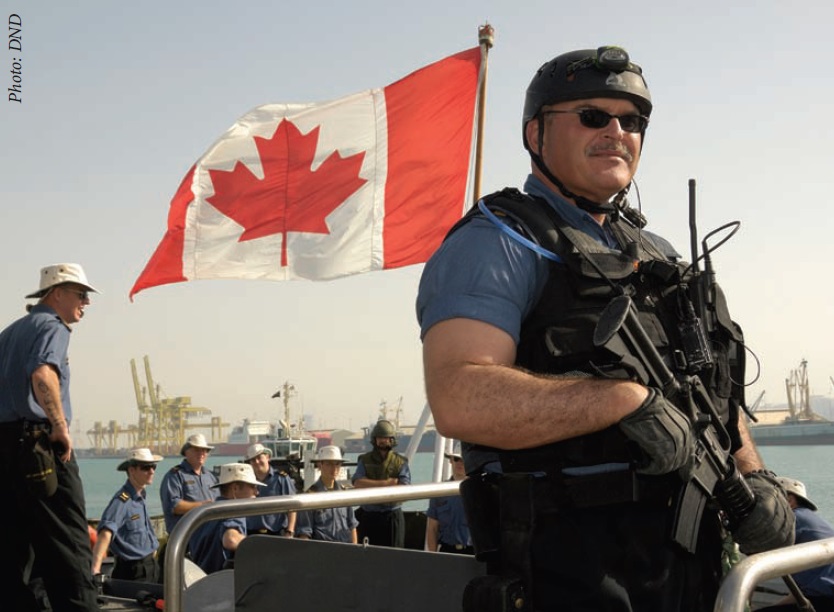
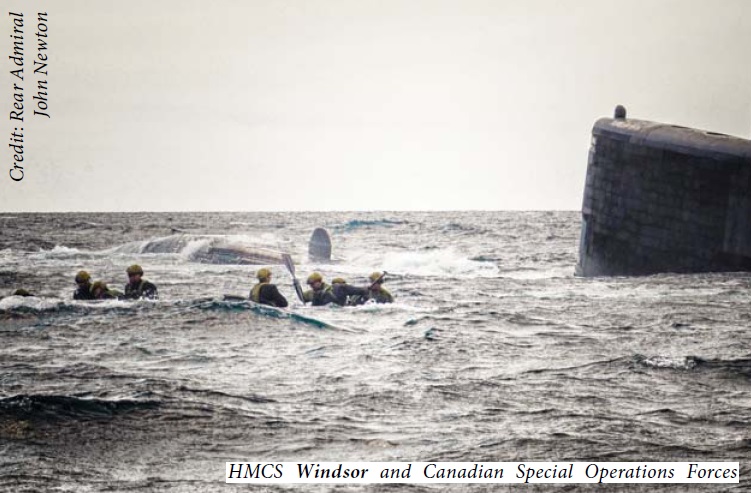
What does a navy do during peace time? Good question. The work that the Royal Canadian Navy (RCN) does illustrates the classic roles of a navy – i.e., undertaking constabulary, […]
The majority of Canadians live far from the oceans that surround Canada. They may be guilty of what has been referred to as ‘sea-blindness.’ But whether they know it or […]
[* Moderator’s note: This is a revised and expanded version of the same article published yesterday, 8 March.] Steel will be cut in a few months for the first of […]
Ken Hansen’s excellent post on the subject of submarines raises important issues concerning the future of submarines in the RCN. For those of us who ‘get it’, the post hits […]
Readers of this forum will know my critical position on the report “That Sinking Feeling” by Prof. Michael Byers and Mr. Stewart Webb. After serving as the lead writer for […]
*Moderator’s Note: Portions of this article appeared originally as “The History and Theory of Naval Effects-Based Operations” in Effects-Based Approaches to Operations: Canadian Perspectives, Alan English and Howard Coombs, eds., […]
Most official definitions talk about doctrine as though it is the bedrock of all things naval. This one comes from the USN’s Naval Doctrine Publication 1 (NDP1) Naval Warfare: “Naval […]
Everything that Peter Haydon says in his article on the “Canadian Naval Task Group” is accurate. The task group has been fundamental to our past success and it will likely […]
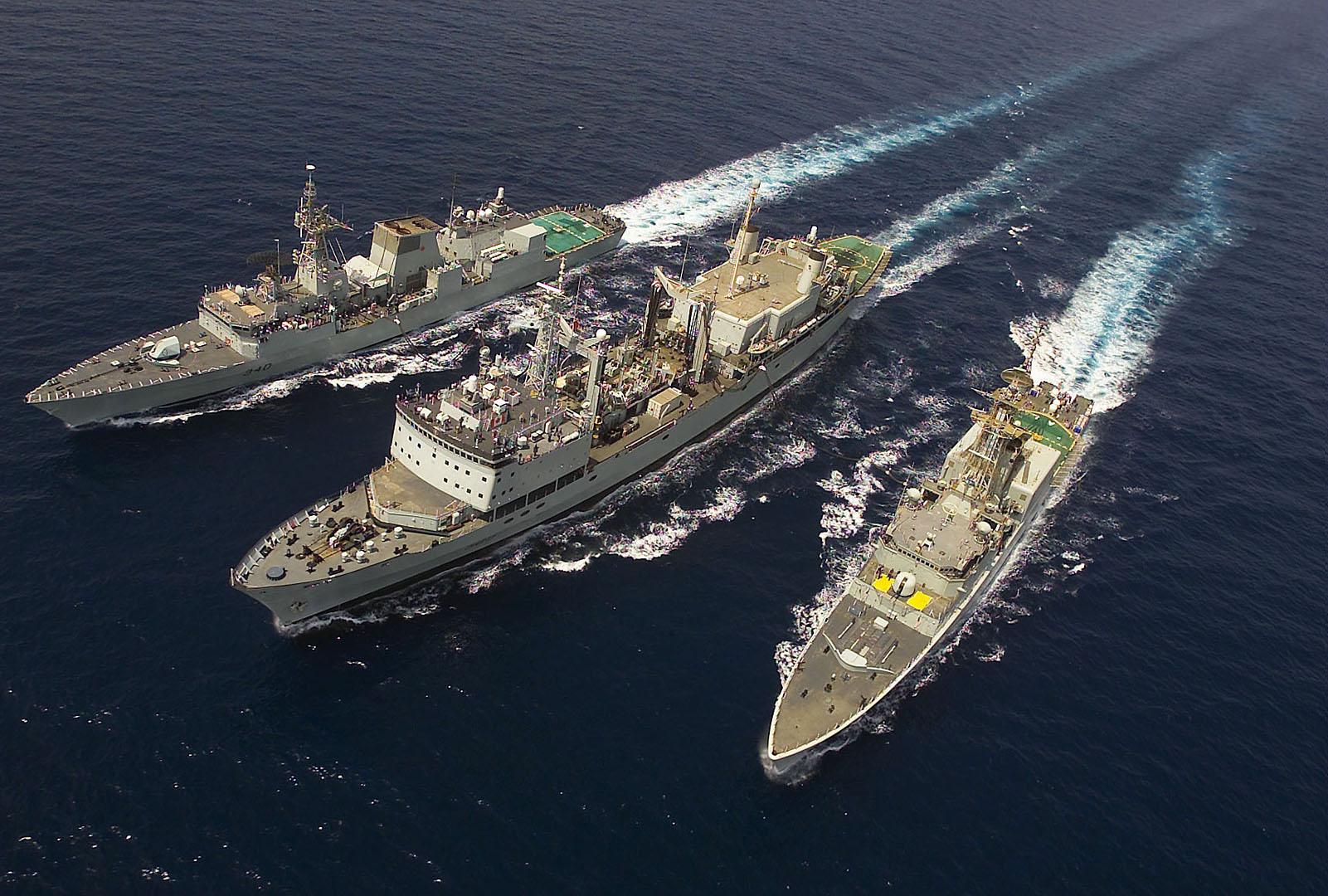
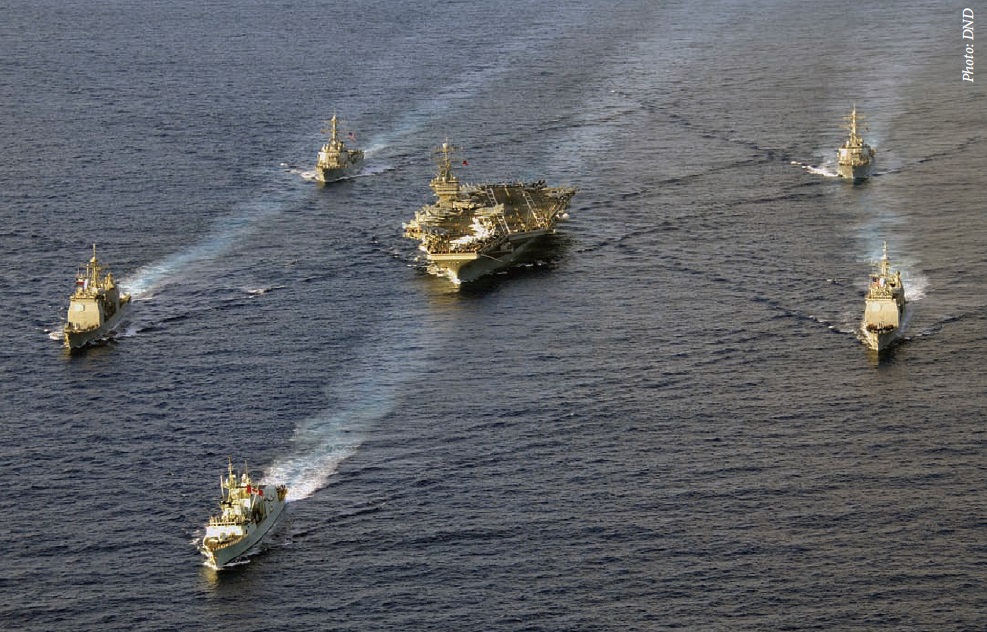
As its operational focal point, the modern Canadian navy uses a “multi-purpose, combat-capable task group.” This policy is consistent with the 1994 Defence White Paper which calls for the navy […]
Cookie Consent
At Canadian Naval Review (CNR), we are committed to respecting your privacy. When visiting our website for the first time you can either “Accept all” cookies (including ‘non-essential cookies’) or “Customize” your cookie preferences, which allows you to make individual choices and get details on the cookies we use.
Contains information related to marketing campaigns of the user. These are shared with Google AdWords / Google Ads when the Google Ads and Google Analytics accounts are linked together.
90 days
__utma
ID used to identify users and sessions
2 years after last activity
__utmt
Used to monitor number of Google Analytics server requests
10 minutes
__utmb
Used to distinguish new sessions and visits. This cookie is set when the GA.js javascript library is loaded and there is no existing __utmb cookie. The cookie is updated every time data is sent to the Google Analytics server.
30 minutes after last activity
__utmc
Used only with old Urchin versions of Google Analytics and not with GA.js. Was used to distinguish between new sessions and visits at the end of a session.
End of session (browser)
__utmz
Contains information about the traffic source or campaign that directed user to the website. The cookie is set when the GA.js javascript is loaded and updated when data is sent to the Google Anaytics server
6 months after last activity
__utmv
Contains custom information set by the web developer via the _setCustomVar method in Google Analytics. This cookie is updated every time new data is sent to the Google Analytics server.
2 years after last activity
__utmx
Used to determine whether a user is included in an A / B or Multivariate test.
18 months
_ga
ID used to identify users
2 years
_gali
Used by Google Analytics to determine which links on a page are being clicked
30 seconds
_ga_
ID used to identify users
2 years
_gid
ID used to identify users for 24 hours after last activity
24 hours
_gat
Used to monitor number of Google Analytics server requests when using Google Tag Manager