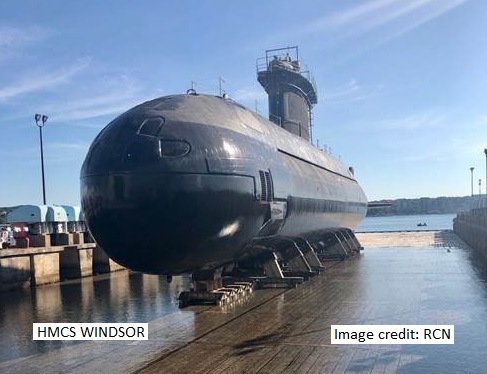
RCN Media Release, 24 August 2020. Earlier this month the HMCS WINDSOR was undocked in HMC Dockyard Halifax, marking a key milestone in Canada’s submarine program. Undocking, or moving a […]
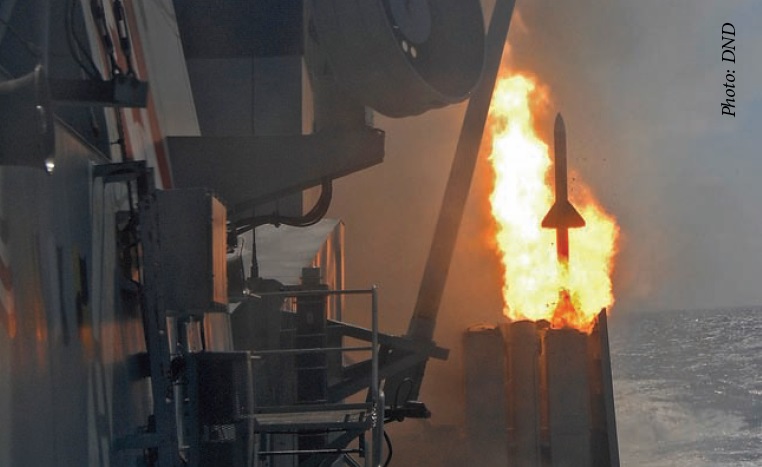
There may be much uncertainty in the world today but one thing we can count on is that technology will continue to change. And that means that military forces will […]
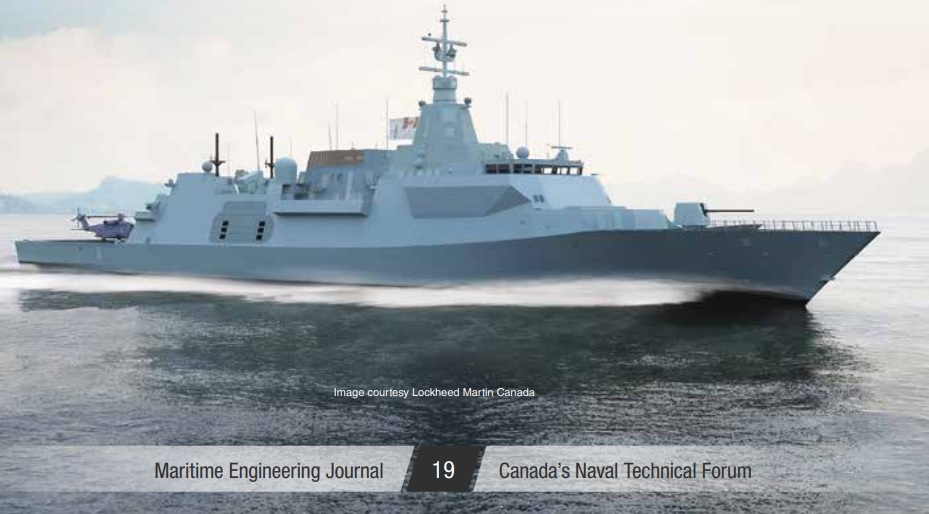
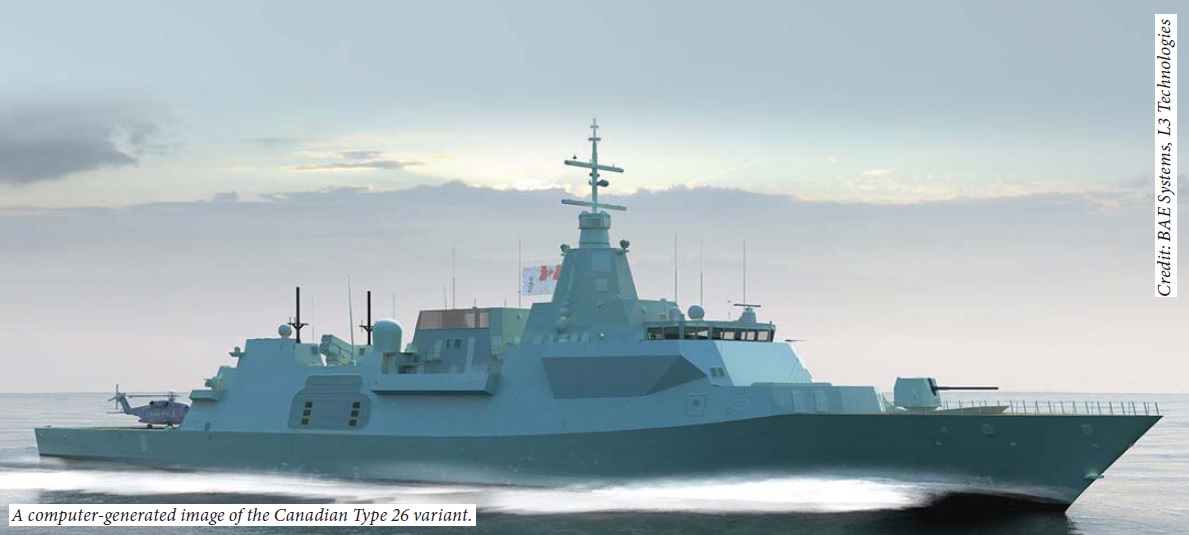
You might want to check out an interesting article in Maritime Engineering Journal (Volume 93, Summer 2020), “The Canadian Surface Combatant – Starting a New Conversation on Canada’s Major Warship […]
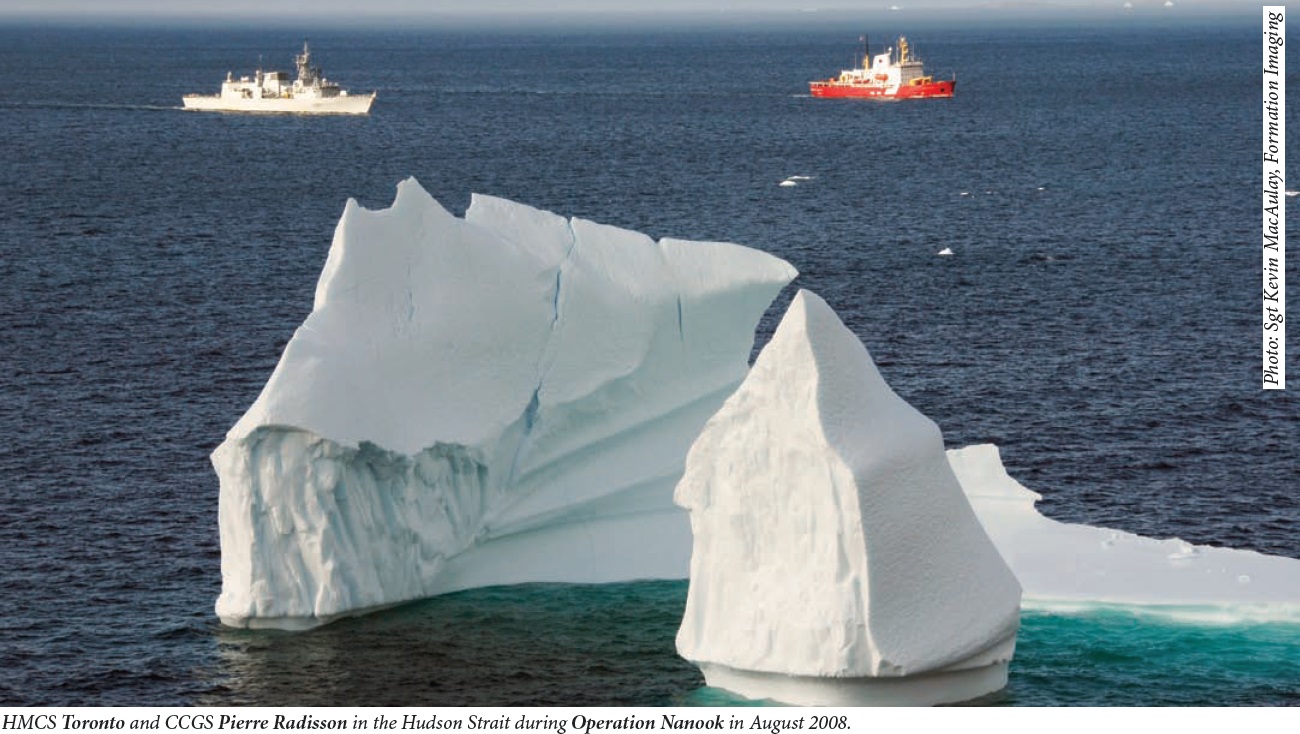
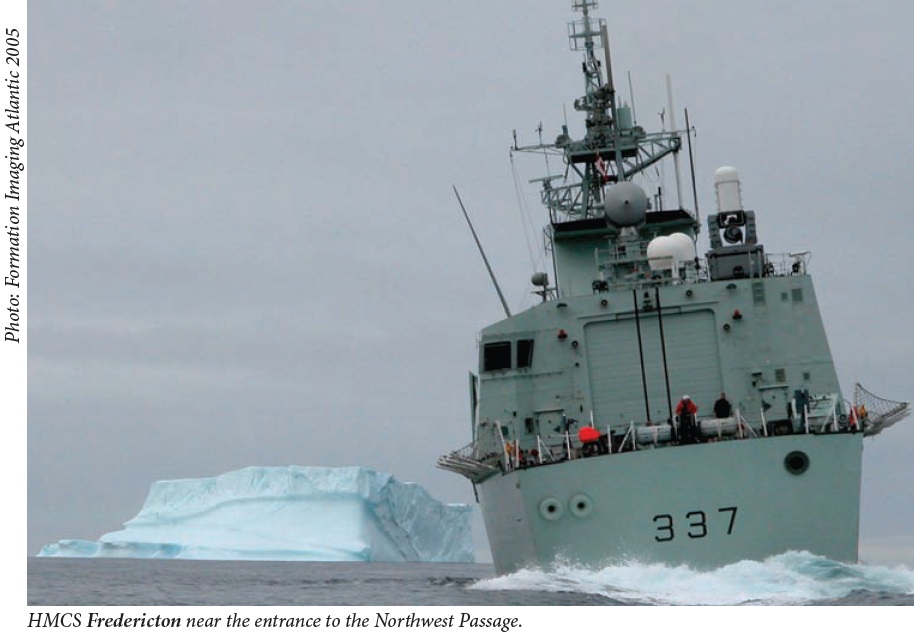
Canadians often define themselves as northern people, and think of the North as an integral part of the country. That attitude may be summed up, for example, by the famous […]
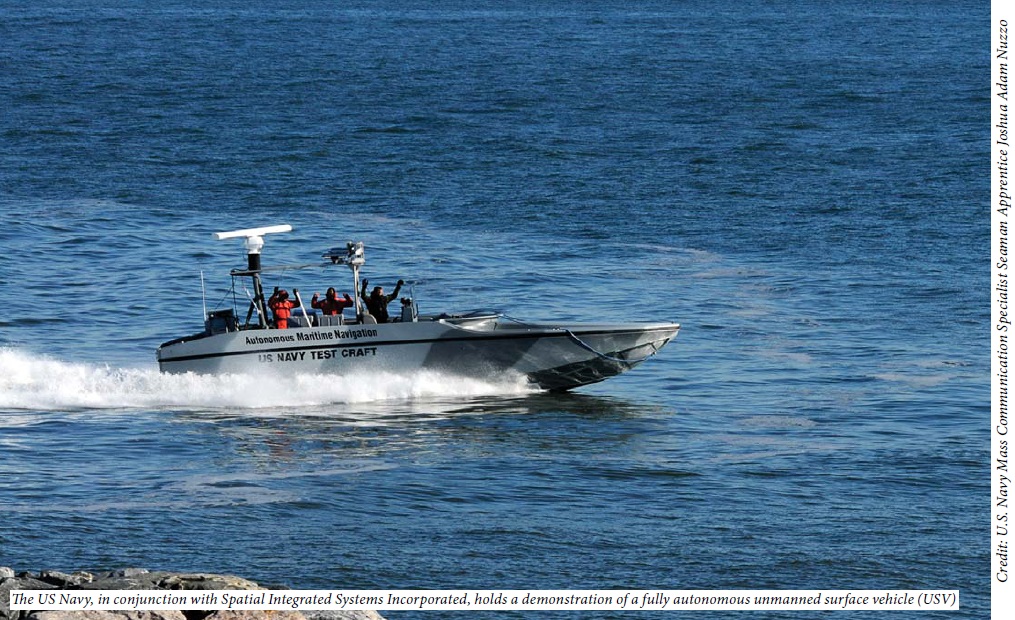
Konrad Mech, 14 August 2020 Some readers may be interested in an article I wrote, recently published in SITREP, the Journal of the Royal Canadian Military Institute, titled “Automation, Autonomy, […]
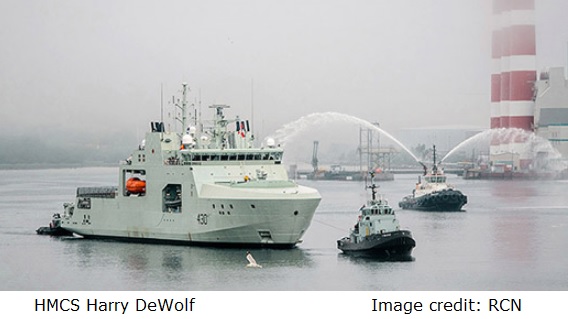
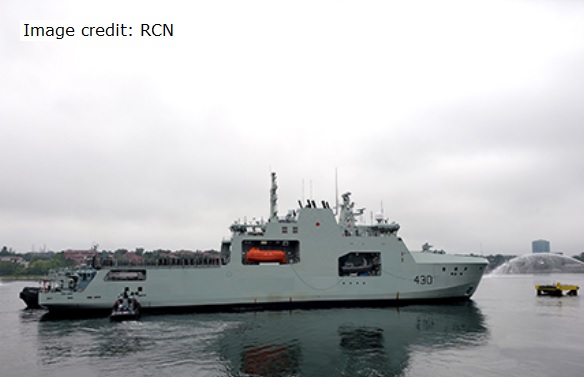
At the end of July 2020, the first Arctic and Offshore Patrol Ship (AOPS) – HMCS Harry DeWolf – was handed over to the Royal Canadian Navy (RCN). This was […]
Procrustes, 11 August 2020. The recent confirmation that the Parliamentary Budget Officer (PBO) will conduct and deliver yet another report on the mounting costs of Ottawa’s preferred bid winner for […]
At the onset of the Cold War, it became clear that the Arctic was of strategic significance. So, for a brief period, the Royal Canadian Navy (RCN) established a presence […]
RCN Media Release, 31 July 2020. The ultimate milestone in shipbuilding procurement is finally here, a first for the Royal Canadian Navy under the National Shipbuilding Strategy! The first Arctic […]
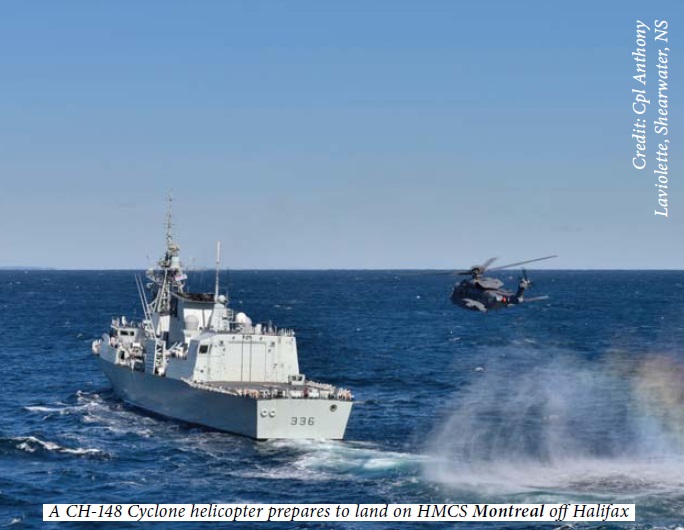
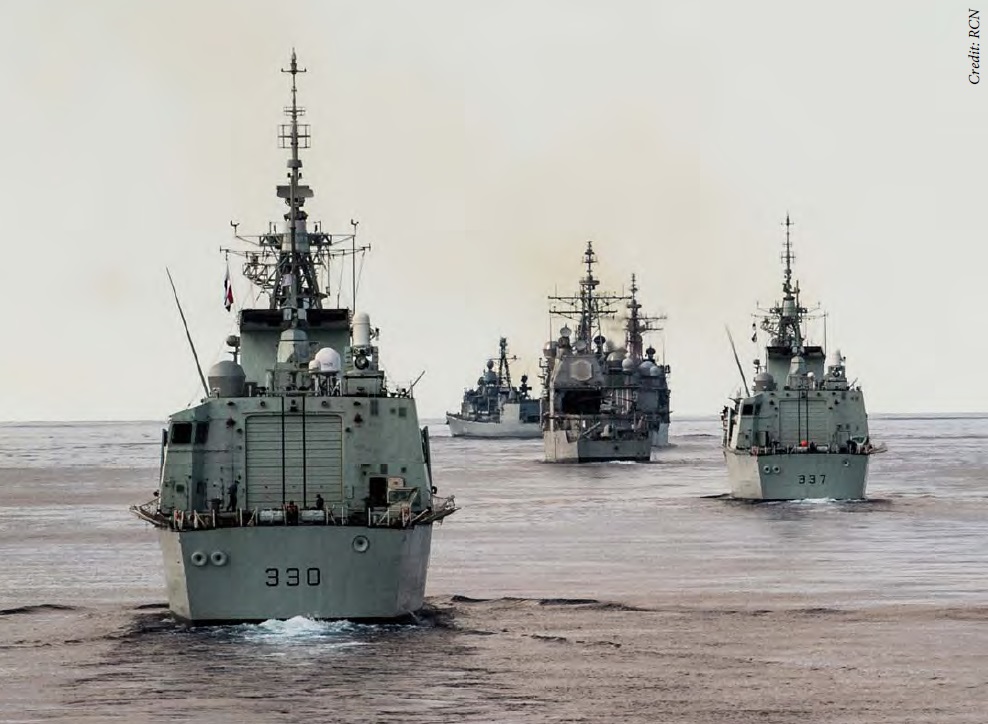
The Royal Canadian Navy’s (RCN) has 12 Halifax-class frigates, which are split between the East and West Coasts of the country. They were built in the 1990s and joined the […]
Procrustes, 23 July 2020. Are cost overruns the norm in Canadian naval shipbuilding? If so, why? The Canadian warship procurement system is centrally oriented to keeping Canadian shipbuilders in business. […]
Dan Middlemiss, 19 July 2020. Will the Canadian Navy ride the robotic wave of the future? Maybe the future has already arrived. The United States Navy (USN) recently awarded a […]
The Royal Canadian Navy (RCN) is versatile – and will become even more so when the ships included in the National Shipbuilding Strategy (NSS) are complete. The fleet of submarines, […]
Procrustes, 15 July 2020. Is Ottawa going against an international cost-reduction trend in putting all its surface warship eggs in a one, large, expensive Canadian Surface Combatant (CSC) design basket? […]
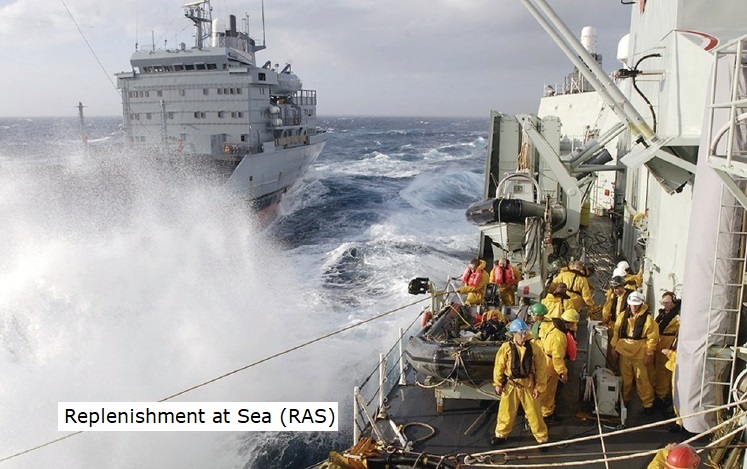
How do navies get fuel, ammo, food and spare parts when they’re at sea? Naval forces often have agreements with allied or friendly states that allow them to visit ports […]
Procrustes, 05 July 2020. There has been a longstanding debate in Canada about the extra costs (i.e., the ‘domestic premium’) for building warships in Canada. Certainly the best exponent of […]
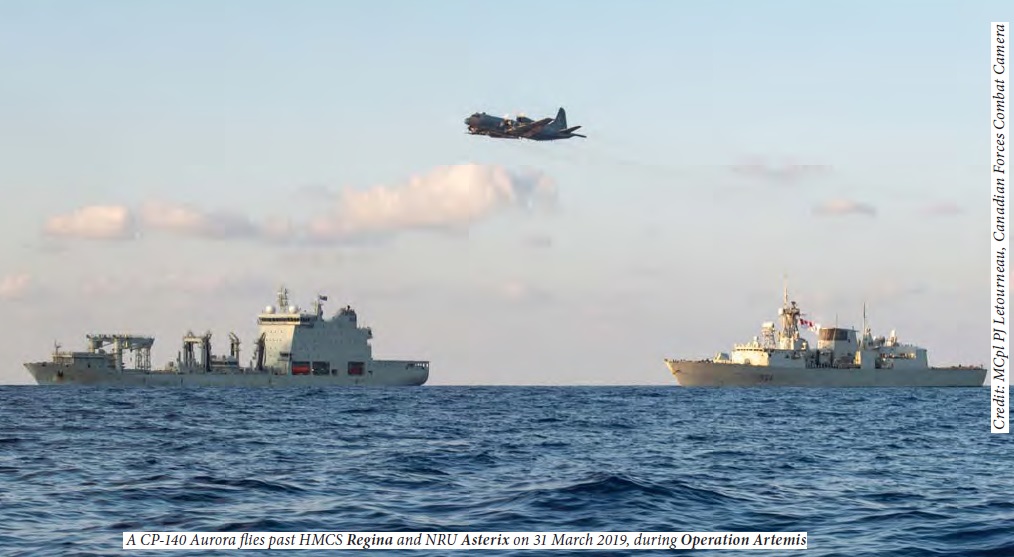
The Royal Canadian Navy is a blue-water navy – it travels around the world to play a number of roles to further Canadian foreign policy goals. It conducts operations, often […]
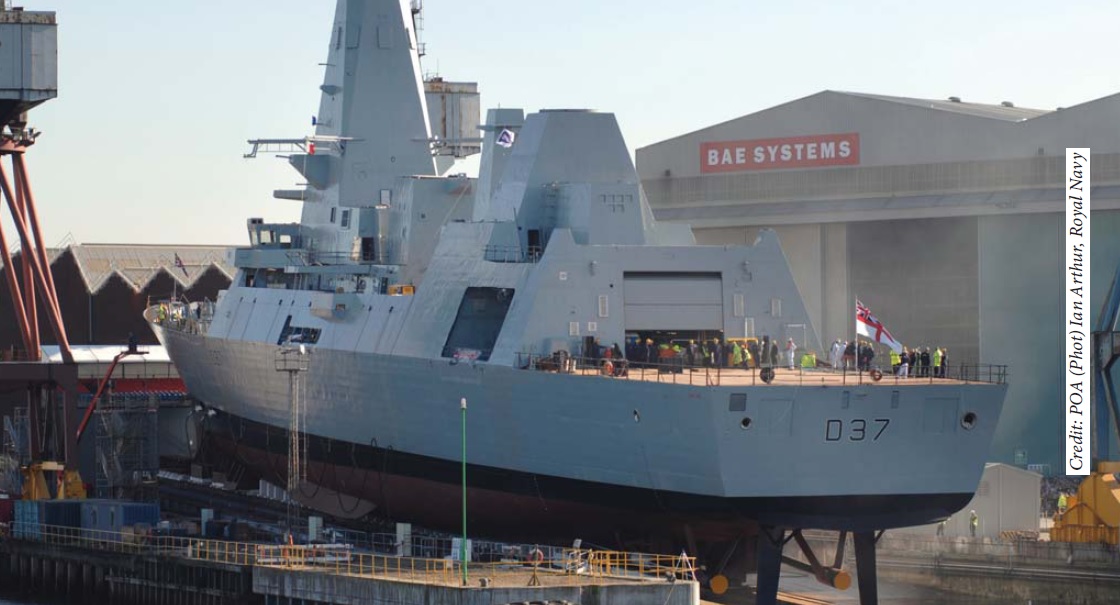
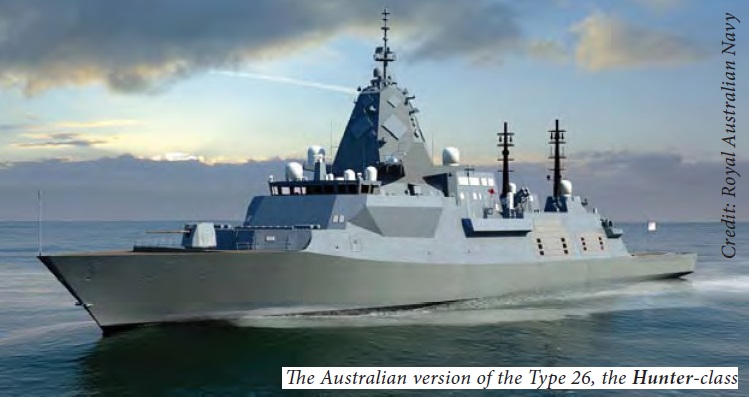
Procrustes, 26 June 2020. A 26 June 2020 report from Australia indicates potential problems for the Australian Hunter-class variant of the Type 26 frigate.[1] The report suggests that the ship […]
The largest part of the National Shipbuilding Strategy is the construction of the Canadian Surface Combatants (CSCs). The proposed 15 CSCs are to replace the retired Iroquois-class destroyers and the […]
It is usually a long process to procure new warships for the Royal Canadian Navy. Warships are both complex and expensive, so there are legitimate concerns about efficient use of […]
Cookie Consent
At Canadian Naval Review (CNR), we are committed to respecting your privacy. When visiting our website for the first time you can either “Accept all” cookies (including ‘non-essential cookies’) or “Customize” your cookie preferences, which allows you to make individual choices and get details on the cookies we use.
Contains information related to marketing campaigns of the user. These are shared with Google AdWords / Google Ads when the Google Ads and Google Analytics accounts are linked together.
90 days
__utma
ID used to identify users and sessions
2 years after last activity
__utmt
Used to monitor number of Google Analytics server requests
10 minutes
__utmb
Used to distinguish new sessions and visits. This cookie is set when the GA.js javascript library is loaded and there is no existing __utmb cookie. The cookie is updated every time data is sent to the Google Analytics server.
30 minutes after last activity
__utmc
Used only with old Urchin versions of Google Analytics and not with GA.js. Was used to distinguish between new sessions and visits at the end of a session.
End of session (browser)
__utmz
Contains information about the traffic source or campaign that directed user to the website. The cookie is set when the GA.js javascript is loaded and updated when data is sent to the Google Anaytics server
6 months after last activity
__utmv
Contains custom information set by the web developer via the _setCustomVar method in Google Analytics. This cookie is updated every time new data is sent to the Google Analytics server.
2 years after last activity
__utmx
Used to determine whether a user is included in an A / B or Multivariate test.
18 months
_ga
ID used to identify users
2 years
_gali
Used by Google Analytics to determine which links on a page are being clicked
30 seconds
_ga_
ID used to identify users
2 years
_gid
ID used to identify users for 24 hours after last activity
24 hours
_gat
Used to monitor number of Google Analytics server requests when using Google Tag Manager