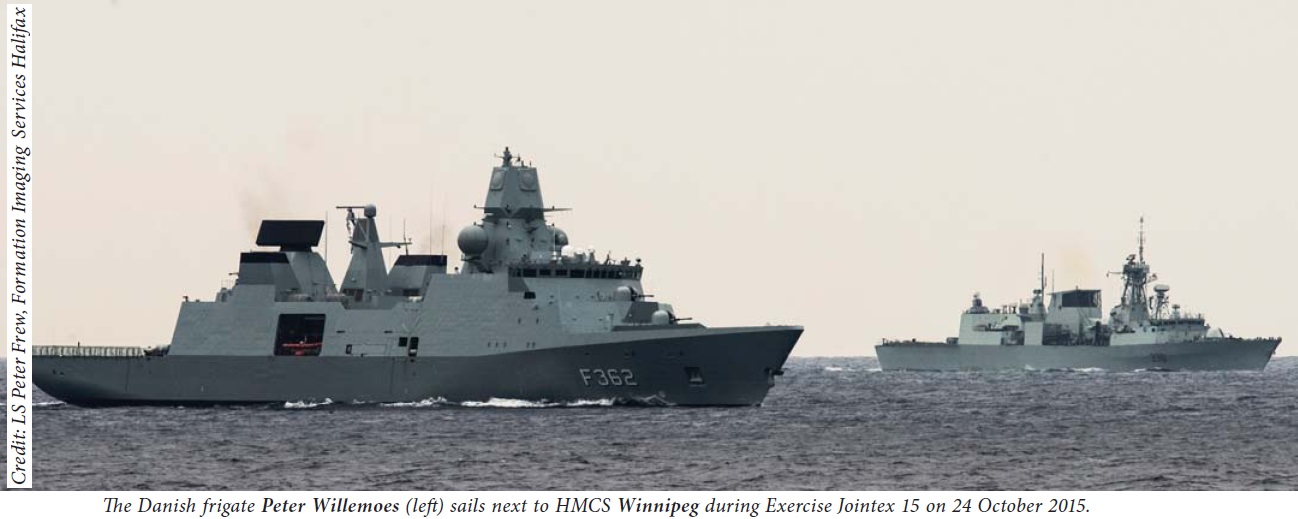
David Dunlop Now that the Canadian government has entered the decision phase for the bids entered for the rights to build 15 Canadian Surface Combatant (CSC) ships, it is time […]
The CDAI has just published its “Strategic Outlook for Canada 2018″. In this report, authors look 10 years into the future to assess the strategic concerns and their relevance to […]
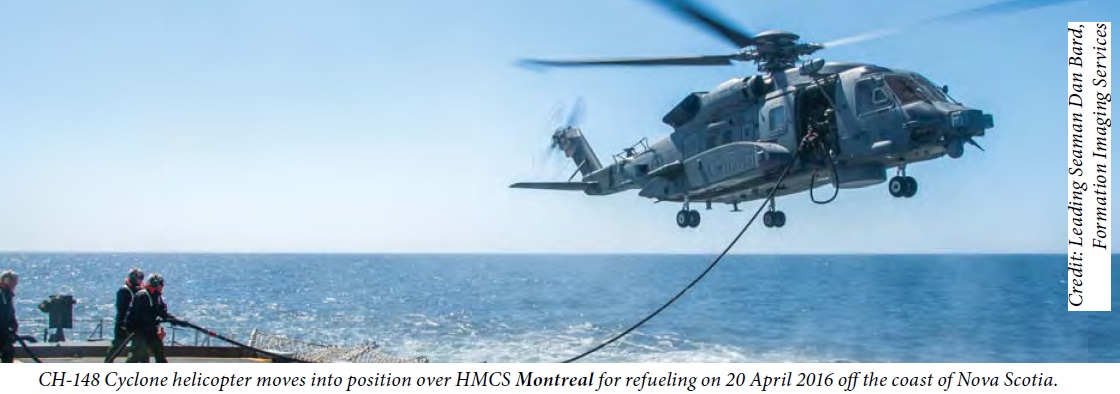
On 22 December, Michael Tutton of the Canadian Press filed a report on difficulties experienced with the HELRAS tethered sonar installation on the ‘Block 1’ Cyclone helicopters.[1] Apparently, there is […]
David Griffiths has a chapter in an upcoming report called Arab Politics Beyond the Uprisings. The chapter is entitled “Oceans of Opportunity: Maritime Dimensions of Security in the Arab World,” […]
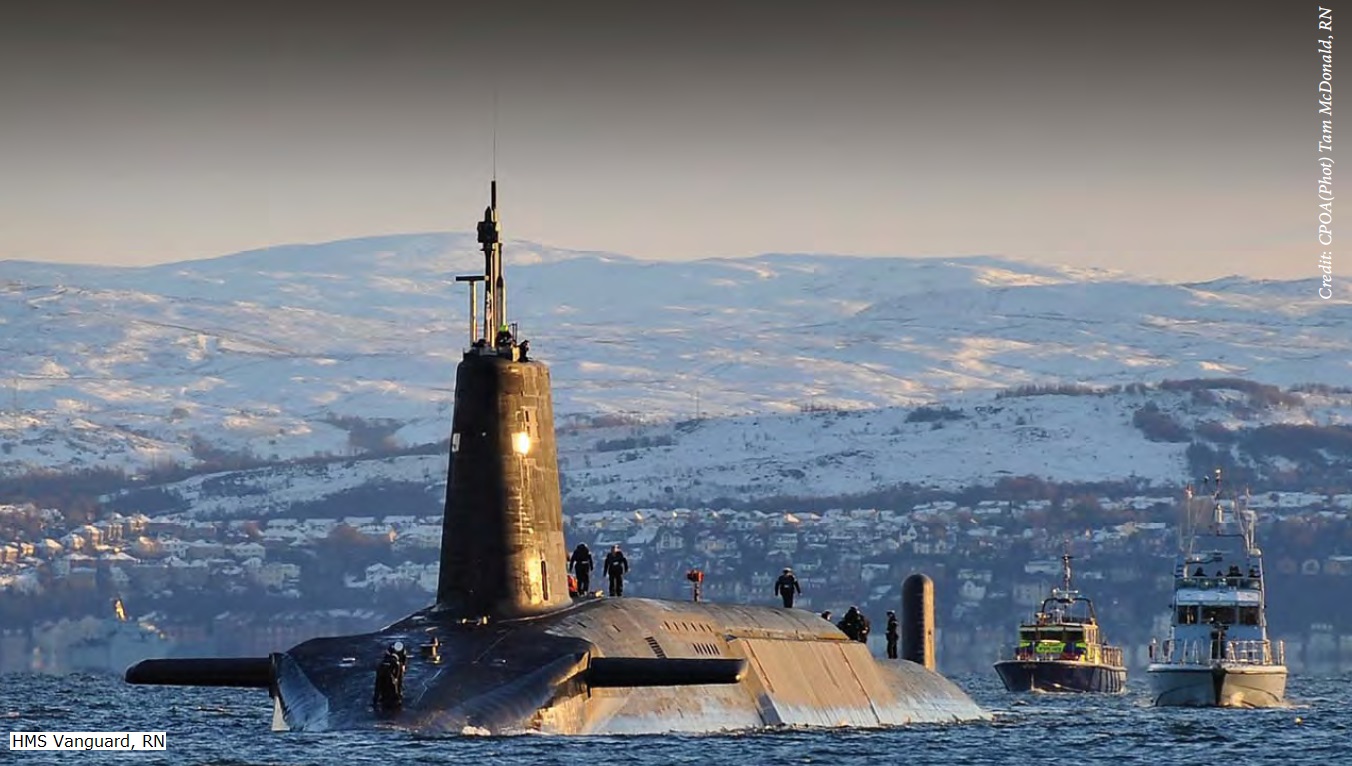
We’ve published several commentaries in recent issues of CNR about the Royal Navy and the United Kingdom’s nuclear deterrent. In particular the commentaries have discussed how it is important to […]
On 23 January 2018 at 3 am, sirens wailed, warnings were broadcast and evacuations began. Coastal British Columbia was in the path of a tsunami. A 7.9 magnitude earthquake off […]
We welcome discussion and debate on Broadsides, and we encourage contributions and opinions from a wide variety of perspectives. NOTE #1: We ask contributors to keep the discussion civil — […]
Cookie Consent
At Canadian Naval Review (CNR), we are committed to respecting your privacy. When visiting our website for the first time you can either “Accept all” cookies (including ‘non-essential cookies’) or “Customize” your cookie preferences, which allows you to make individual choices and get details on the cookies we use.
Contains information related to marketing campaigns of the user. These are shared with Google AdWords / Google Ads when the Google Ads and Google Analytics accounts are linked together.
90 days
__utma
ID used to identify users and sessions
2 years after last activity
__utmt
Used to monitor number of Google Analytics server requests
10 minutes
__utmb
Used to distinguish new sessions and visits. This cookie is set when the GA.js javascript library is loaded and there is no existing __utmb cookie. The cookie is updated every time data is sent to the Google Analytics server.
30 minutes after last activity
__utmc
Used only with old Urchin versions of Google Analytics and not with GA.js. Was used to distinguish between new sessions and visits at the end of a session.
End of session (browser)
__utmz
Contains information about the traffic source or campaign that directed user to the website. The cookie is set when the GA.js javascript is loaded and updated when data is sent to the Google Anaytics server
6 months after last activity
__utmv
Contains custom information set by the web developer via the _setCustomVar method in Google Analytics. This cookie is updated every time new data is sent to the Google Analytics server.
2 years after last activity
__utmx
Used to determine whether a user is included in an A / B or Multivariate test.
18 months
_ga
ID used to identify users
2 years
_gali
Used by Google Analytics to determine which links on a page are being clicked
30 seconds
_ga_
ID used to identify users
2 years
_gid
ID used to identify users for 24 hours after last activity
24 hours
_gat
Used to monitor number of Google Analytics server requests when using Google Tag Manager