
By Jeff Gilmour, 12 December 2025
In a recent article in The Economist the author points out that the American GPS system needs an upgrade.1
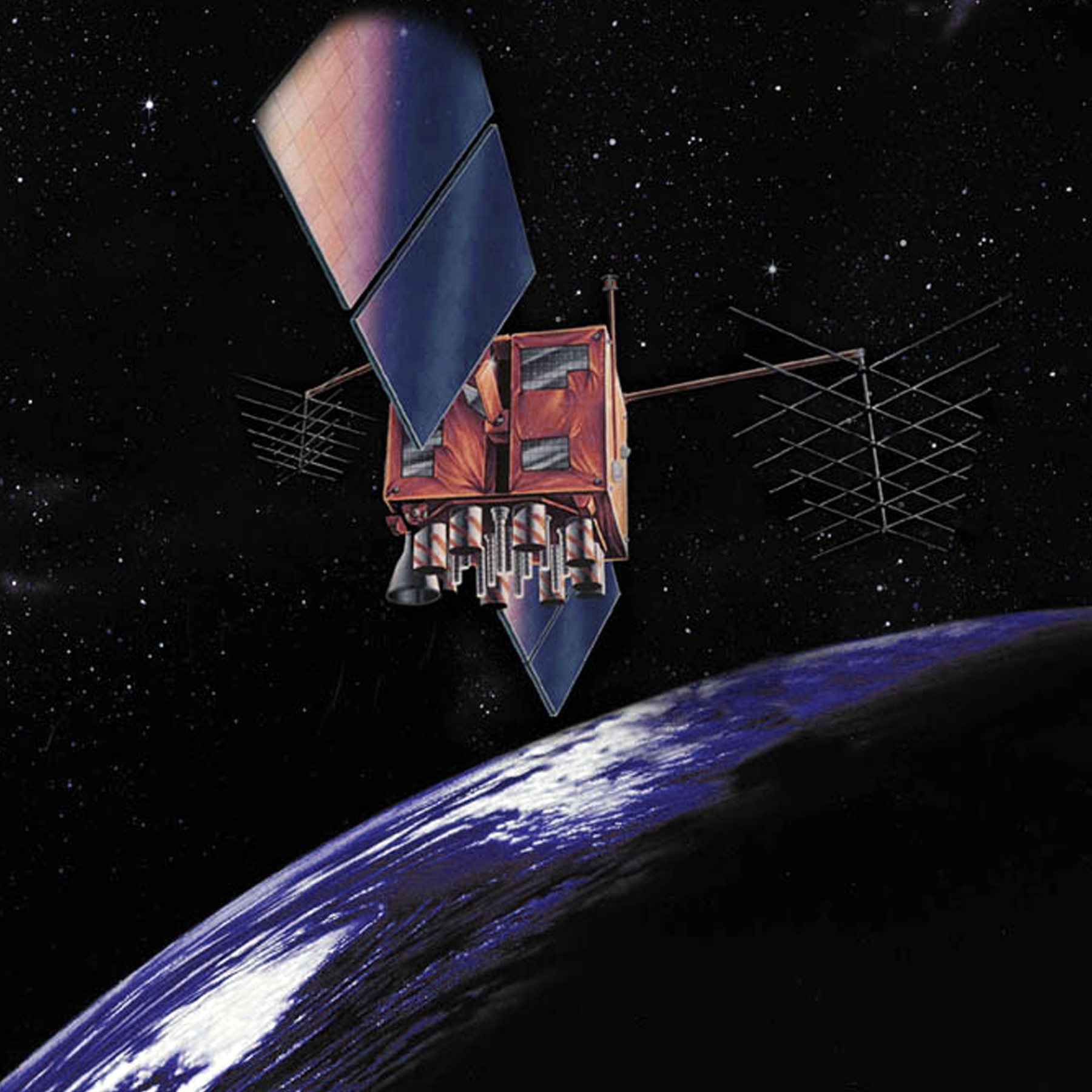
Currently 32 satellites orbit 20,200 km above the earth carrying radio transmitters that cover the earth. This technology has become vital for the military as well as civilians. Receivers are built into everything from cruise missiles to artillery shells to help them hit the appropriate target.
Other systems such as the European 'Galileo' satellite constellation and the Chinese 'BeiDov' system are now considered to be more accurate than GPS.
The US Space Force, which runs GPS, is developing and planning for a new upgrade called the Navigation Technology Satellite – 3(NTS-3). Launched in August 2025, it is the first GPS test satellite to be sent into space since 1977. The results will inprove the design of the next generation of GPS satellites, known as GPS 111F, which are due to be going up in space in 2027.
One of Space Force’s goals will be to ensure that GPS can be relied upon in warfare. Because the signals are so weak by the time they reach the ground, opponents can drown them out by broadcasting more powerful signals. As shown in the Ukraine war, GPS in its current form is unreliable. For this reason N–3 is equipped with a new transmitter designed to concentrate the military signals, known as M-code, to a narrow 'spot beam.' This should make it harder to jam the signals.
Another problem with the current system is GPS still uses radio signals designed in the 1970s. These make current GPS virtually obsolete. 'Spoofing' has become another issue, whereby the signal is not drowned out, but is replaced with another one. It is anticipated that a new anti-spoofing system is being developed called 'Chimera.' The idea is to insert secret features, known as watermarks, into the GPS signals at certain intervals. Receivers set these signals aside until the arrival, a moment later, of a follow-on signal. The second signal reveals the times at which the watermarks in the original signal actually arrived.
1. See The “Economist”, “ Jamming the Jammers”, 1 November 2025. P. 72.
Image: An illustration of a GPS satellite posted on the official US government GPS website. Credit: GPS.gov

One thought on “GPS Upgrade”
[…with a bit of help from Google AI]:
While Canada currently relies heavily on the US-maintained Global Positioning System (GPS), experts increasingly argue for developing sovereign or diversified alternatives to address security and operational vulnerabilities.
Reasons to Diversify or Reduce Reliance:
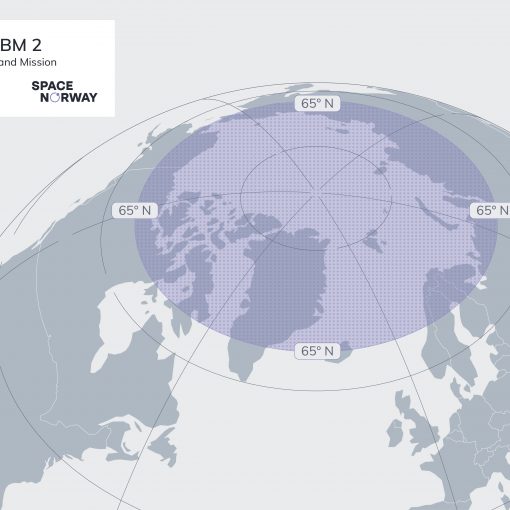
– Arctic Sovereignty: GPS coverage is less reliable in extreme northern latitudes due to orbital patterns, posing risks for Canadian Arctic navigation and resource management.
– National Security: Modern electronic warfare, including jamming and spoofing, can render GPS useless over large areas, making technological independence a national security imperative.
– Geopolitical Risk: As a US-owned and operated utility, GPS access is subject to US government control, including the theoretical ability to deny regional access during conflicts.
– Aging Infrastructure: Reports have warned that delays in replacing aging US satellites could lead to service gaps in Canada.
– Vulnerability to Solar Storms: Canada’s high latitude makes its GPS-dependent technology highly vulnerable to geomagnetic disturbances.
– Multi-GNSS Usage: Many Canadian receivers already mitigate risk by using other systems alongside GPS, such as Europe’s Galileo, though military-grade access to Galileo remains restricted.
Ref CBC: Canada could face gaps in GPS service as U.S. satellites age
https://www.cbc.ca/news/science/canada-could-face-gaps-in-gps-service-as-u-s-satellites-age-1.837945#:~:text=More-,Canada%20could%20face%20gaps%20in%20GPS%20service%20as%20U.S.%20satellites,University%20of%20New%20Brunswick%20Wednesday.