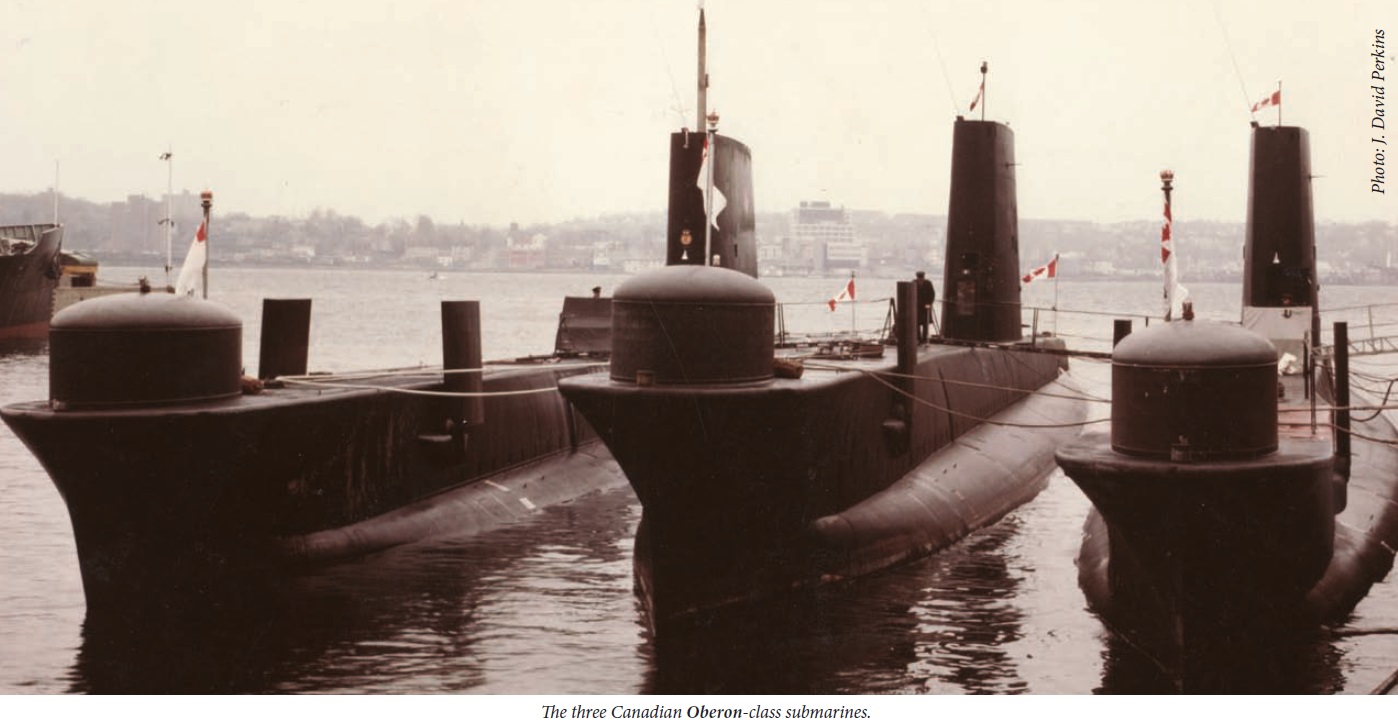
CNR, Vol. 11, No. 1 (2015) Abstract What could the future look like for Canadian submarines? What are the considerations necessary to develop a credible Canadian submarine capability for the […]
*Moderator’s Note: This article originally appears in Marine Matters. It is reprinted here with the permission of the publisher. Dr. Michael Byers and Mr. Stewart Webb released a report called […]
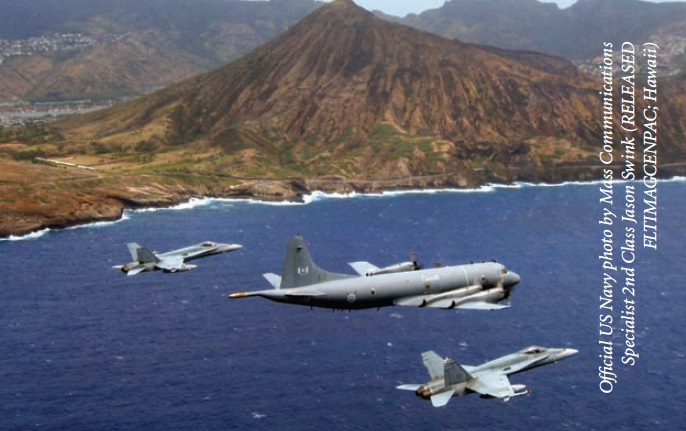
CNR, Vol. 11, No. 1 (2015) Abstract In October 2014, two of the RCAF’s recently modified Block 3 CP-140M Auroras deployed to the Middle East to conduct intelligence, surveillance and […]
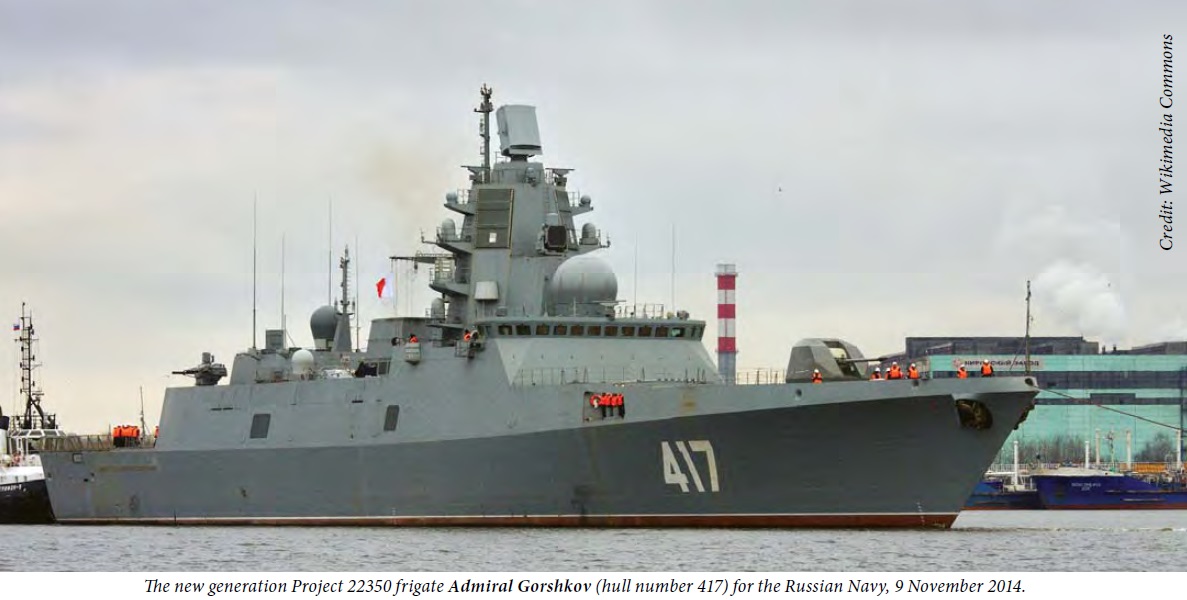
CNR, Vol. 11, No. 1 (2015) Abstract In the wake of the crisis in Ukraine and the general deterioration of relations with Russia, the West must consider how to deal […]
Canadians need to be clear-eyed that if we want to have a modern, rightly equipped, capable Canadian Armed Forces, our geostrategic position practically dictates that we pay more for equipment […]
Major change is coming to the Royal Canadian Navy. In just a few months, Irving Shipbuilding will begin construction of the first vessel in the Combat Ship Program under the […]
Omar Khadr is free at last on bail. The treatment of Omar Khadr as a terrorist and not as a child soldier was wrong. Despite the efforts of many concerned […]
The International Churchill Society (ICS) serves to make history relevant around the world. Persons with similar beliefs and guiding principles around democracy, honesty and freedom of the individual in society […]
[* Moderator’s note: This is a revised and expanded version of the same article published yesterday, 8 March.] Steel will be cut in a few months for the first of […]
*Moderator’s Note: This article was originally published in the 1 September 2014 issue of Canadian Sailing. It is reprinted here with the permission of the author. Canada has been a […]
Cookie Consent
At Canadian Naval Review (CNR), we are committed to respecting your privacy. When visiting our website for the first time you can either “Accept all” cookies (including ‘non-essential cookies’) or “Customize” your cookie preferences, which allows you to make individual choices and get details on the cookies we use.
Contains information related to marketing campaigns of the user. These are shared with Google AdWords / Google Ads when the Google Ads and Google Analytics accounts are linked together.
90 days
__utma
ID used to identify users and sessions
2 years after last activity
__utmt
Used to monitor number of Google Analytics server requests
10 minutes
__utmb
Used to distinguish new sessions and visits. This cookie is set when the GA.js javascript library is loaded and there is no existing __utmb cookie. The cookie is updated every time data is sent to the Google Analytics server.
30 minutes after last activity
__utmc
Used only with old Urchin versions of Google Analytics and not with GA.js. Was used to distinguish between new sessions and visits at the end of a session.
End of session (browser)
__utmz
Contains information about the traffic source or campaign that directed user to the website. The cookie is set when the GA.js javascript is loaded and updated when data is sent to the Google Anaytics server
6 months after last activity
__utmv
Contains custom information set by the web developer via the _setCustomVar method in Google Analytics. This cookie is updated every time new data is sent to the Google Analytics server.
2 years after last activity
__utmx
Used to determine whether a user is included in an A / B or Multivariate test.
18 months
_ga
ID used to identify users
2 years
_gali
Used by Google Analytics to determine which links on a page are being clicked
30 seconds
_ga_
ID used to identify users
2 years
_gid
ID used to identify users for 24 hours after last activity
24 hours
_gat
Used to monitor number of Google Analytics server requests when using Google Tag Manager