The Australian Sea Power Centre seventh biennial RAN Sea Power Conference will be held at the Sydney Convention and Exhibition Centre over the period 31 January – 2 February 2012. […]
Here are some impressions from my analysis of the Report on Transformation 2011. This report is not about transformation. It is too narrowly focused on headquarters organization to be a […]
[*Moderator’s Note: This article appeared originally as part of the ‘Plain Talk’ series in the Fall 2010 issue (Vol. 6, No. 3) of Canadian Naval Review.] Is the announcement of […]
One of my favourite definitions about the meaning of military transformation comes from General Peter J. Schoomaker, Chief of Staff of the U.S. Army from 01 August 2003 to 10 […]
Ken Hansen has exposed yet another issue concerning defence procurement. The people who prepared the SOR for the CH 148 Cyclone failed to consider the full range of combat and […]
To commemorate the Canadian Naval Centennial, and to provoke debate on our navy’s history, I have compiled a list of twenty-five significant moments that capture what I consider to be […]
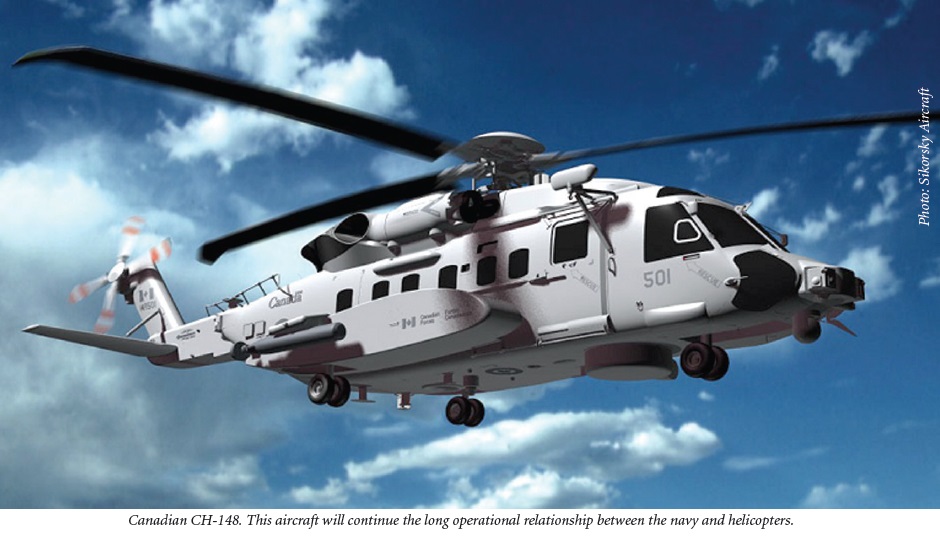
There are now two new Sikorsky CH-148 ‘Cyclone’ maritime helicopters at Shearwater. (You can read more about the Maritime Helicopter Project here.) The first arrived in May and a number […]
Most official definitions talk about doctrine as though it is the bedrock of all things naval. This one comes from the USN’s Naval Doctrine Publication 1 (NDP1) Naval Warfare: “Naval […]
On 16 August the government of Canada announced its decision to restore the historic names of the three environmental commands of the Canadian Forces; Maritime Command is now the Royal […]
Cookie Consent
At Canadian Naval Review (CNR), we are committed to respecting your privacy. When visiting our website for the first time you can either “Accept all” cookies (including ‘non-essential cookies’) or “Customize” your cookie preferences, which allows you to make individual choices and get details on the cookies we use.
Contains information related to marketing campaigns of the user. These are shared with Google AdWords / Google Ads when the Google Ads and Google Analytics accounts are linked together.
90 days
__utma
ID used to identify users and sessions
2 years after last activity
__utmt
Used to monitor number of Google Analytics server requests
10 minutes
__utmb
Used to distinguish new sessions and visits. This cookie is set when the GA.js javascript library is loaded and there is no existing __utmb cookie. The cookie is updated every time data is sent to the Google Analytics server.
30 minutes after last activity
__utmc
Used only with old Urchin versions of Google Analytics and not with GA.js. Was used to distinguish between new sessions and visits at the end of a session.
End of session (browser)
__utmz
Contains information about the traffic source or campaign that directed user to the website. The cookie is set when the GA.js javascript is loaded and updated when data is sent to the Google Anaytics server
6 months after last activity
__utmv
Contains custom information set by the web developer via the _setCustomVar method in Google Analytics. This cookie is updated every time new data is sent to the Google Analytics server.
2 years after last activity
__utmx
Used to determine whether a user is included in an A / B or Multivariate test.
18 months
_ga
ID used to identify users
2 years
_gali
Used by Google Analytics to determine which links on a page are being clicked
30 seconds
_ga_
ID used to identify users
2 years
_gid
ID used to identify users for 24 hours after last activity
24 hours
_gat
Used to monitor number of Google Analytics server requests when using Google Tag Manager